Nolan Says AI Fight Is Now the Studios' Problem to Solve

The DGA president and 'Odyssey' director argues that copyright enforcement against AI training data ultimately rests with the studios, not the guild.
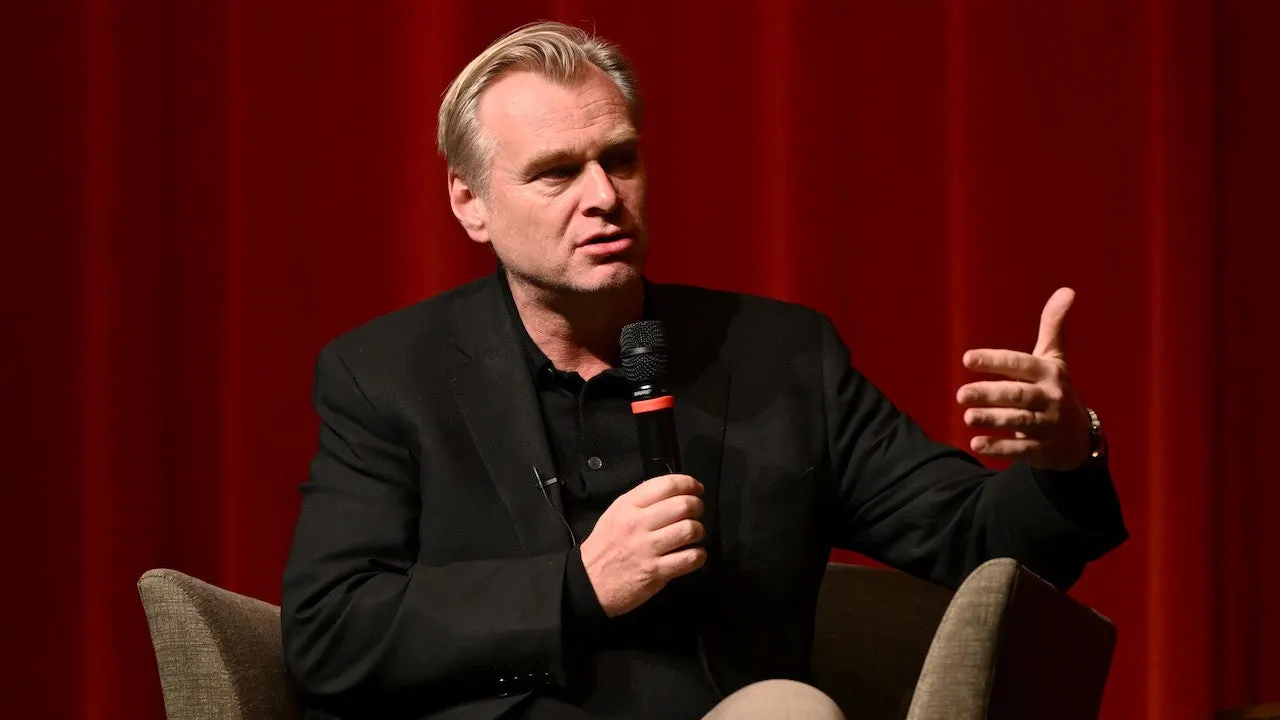
Christopher Nolan has spent decades thinking carefully about the relationship between technology and cinema — from practical in-camera effects to large-format IMAX photography — and his current preoccupation with artificial intelligence carries the same analytical rigour. Speaking on the Hollywood Insiders podcast over the weekend, the filmmaker and Directors Guild of America president laid out what he sees as the logical next front in Hollywood's ongoing AI reckoning: compelling the studios to actually defend the copyrights they hold.
The Guild's Limits — and the Studios' Responsibility
Nolan was measured but pointed in drawing the boundary between what organised labour can accomplish and where institutional power must take over. While he credited both the DGA and the Alliance of Motion Picture and Television Producers for negotiating what he described as "excellent language and guardrails" against AI use in production, he was equally clear that those agreements only go so far. As he explained, according to TheWrap, the guild's membership — with very few exceptions — does not own the copyright to the films its members make. That means the legal muscle required to challenge AI companies scraping and ingesting those films belongs to the studios, not the directors. "It's down to the studios to do that," he said plainly.
It is a distinction worth sitting with. Directors may be the creative authors of a film in the European auteur tradition, but under American copyright law, studio-produced work is overwhelmingly classified as work-for-hire. That structural reality gives filmmakers considerable moral standing in this debate and comparatively little legal leverage — a tension Nolan appears keenly aware of.
Refusing the 'Frankenstein's Monster' Framing
Nolan was equally sharp in his critique of how AI companies have chosen to characterise their own technology — a rhetorical move he finds both cynical and strategically convenient. Describing "AI" as too broad a term deployed to obscure rather than illuminate, he argued that the catchall framing allows companies to present the technology as an ungovernable force, thereby sidestepping accountability for the specific choices their products make. That framing, in his view, must be resisted directly and consistently.
He also pushed back on the legal arguments AI companies have leaned on, particularly fair use claims. Existing legislation already protects creators, he contended, and the fair use shield will not hold indefinitely once courts examine the commercial realities of training data at scale. He pointed to early judgments beginning to reflect that shift and expressed confidence — if not optimism about the timeline — that litigation and legislation together will eventually close the loopholes.
This sits in line with positions Nolan has articulated before. His broader case for protecting young and emerging filmmakers from AI displacement has been a consistent thread in his public advocacy since taking the DGA presidency in the autumn of 2025.
'The Odyssey' Credits as a Model
Perhaps the most concrete and immediately actionable development Nolan highlighted was a quiet but significant change in the closing credits of his forthcoming film The Odyssey. Universal Pictures has, he said, included boilerplate language for the first time explicitly stating that the film cannot be ingested or scraped to serve as training data for generative AI systems. Nolan called it a meaningful statement of principle and drew an analogy to the music industry's hard-won battles over sampling — a process that took years of litigation before the norms became settled law. The parallel is instructive: what once seemed like an abstract rights question eventually produced clear, enforceable standards, and Nolan believes the same trajectory is possible for film.
For a director whose latest project has already attracted significant cultural attention — from Tom Holland's account of his first day on set to the film's distinctive narrative ending — the credits language on The Odyssey amounts to a public declaration of intent, one he clearly hopes other studios will follow.
A Long Fight, Acknowledged as Such
Nolan was careful not to promise quick resolution. The push toward litigation and legislation, he acknowledged, will be ongoing — a permanent feature of the industry's relationship with AI rather than a problem to be solved and set aside. What he resisted, firmly, was fatalism. The fight is long, but in his reading, it is winnable — provided the right institutions, studios chief among them, are held to account for the work.
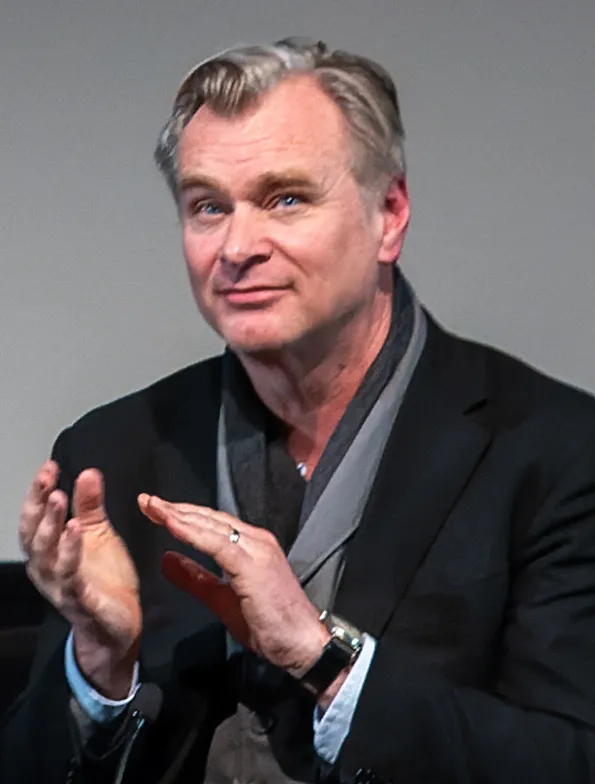 ProfileChristopher NolanFilmmaker
Related
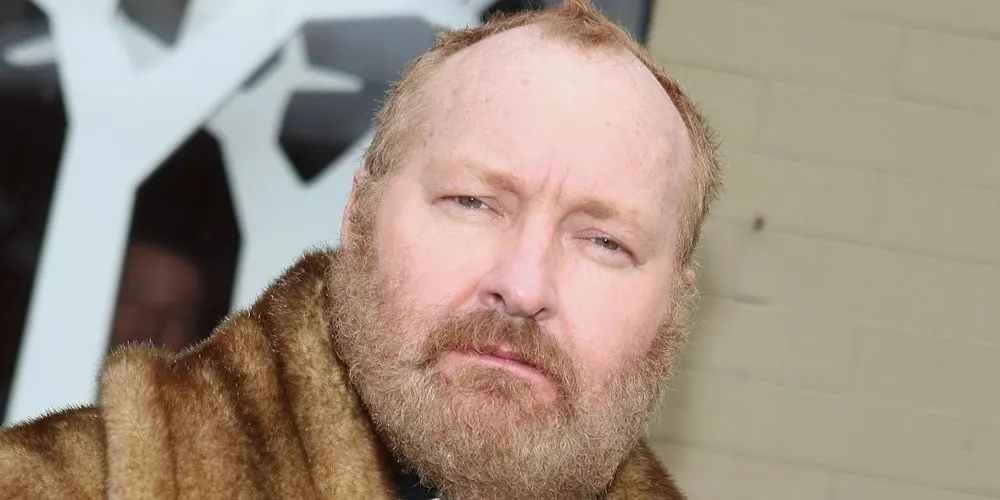
Randy Quaid Slams Anne Hathaway Casting in Days of Thunder Sequel
Randy Quaid, who appeared in the original 1990 film, took to X to demand Nicole Kidman's return and dismiss the Hathaway announcement.

Eva Mendes' 'de Gosling' Tattoo Is the Only One She's Ever Wanted
Eva Mendes is showing off her wrist tattoo again — a small but meaningful piece of ink that carries a deep cultural significance.
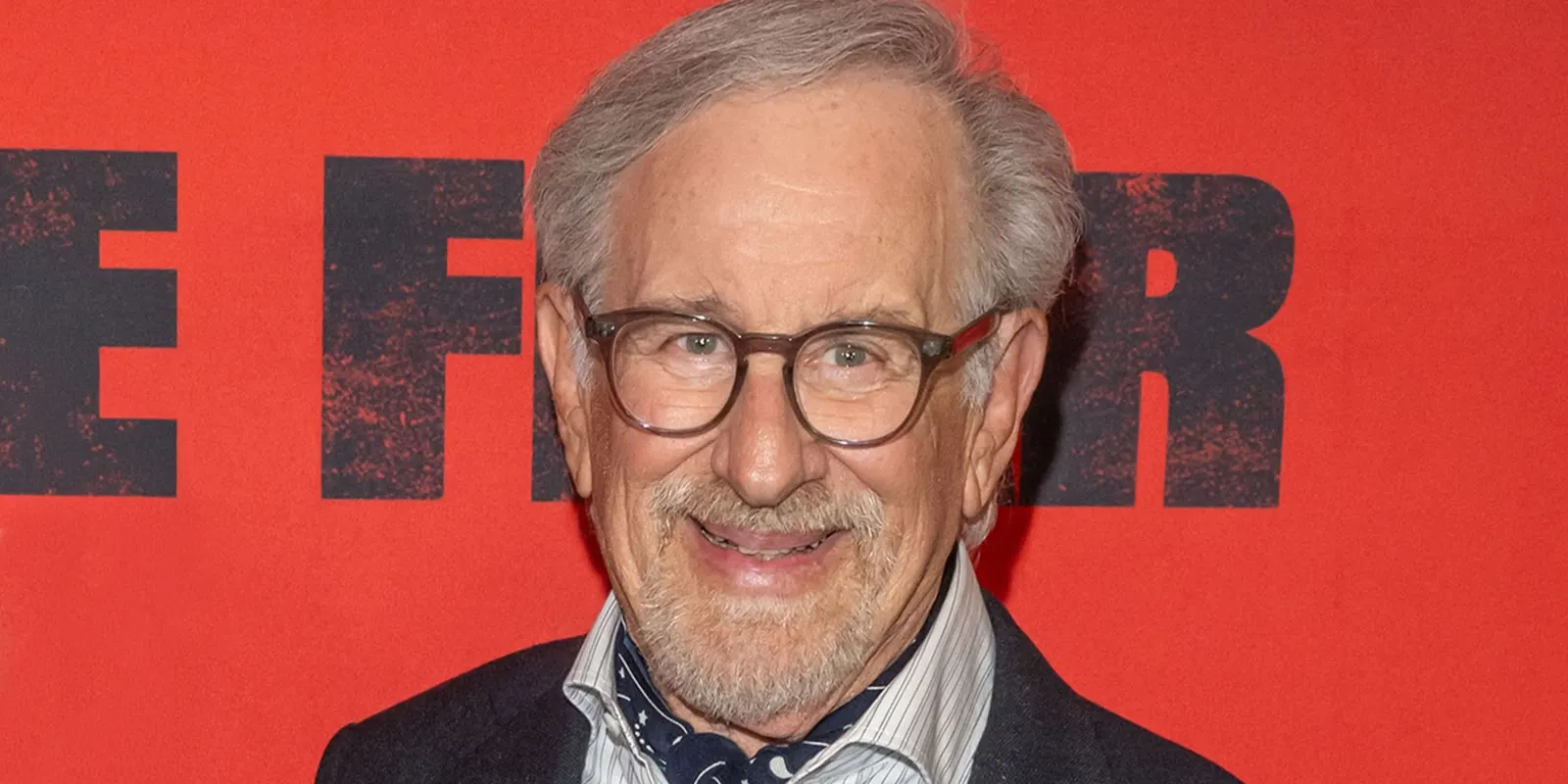
Steven Spielberg's 'War of the Worlds' Returns to Streaming Amid Debate
Steven Spielberg's 'War of the Worlds' is hitting HBO Max next month, reigniting discussions on its mixed reception.