Musk Disavows MAGA Label, Calls $445M Midterm Spending 'Foolish'
At the NYT DealBook Summit, Elon Musk distanced himself from the MAGA identity and admitted his massive midterm spending yielded little in return.
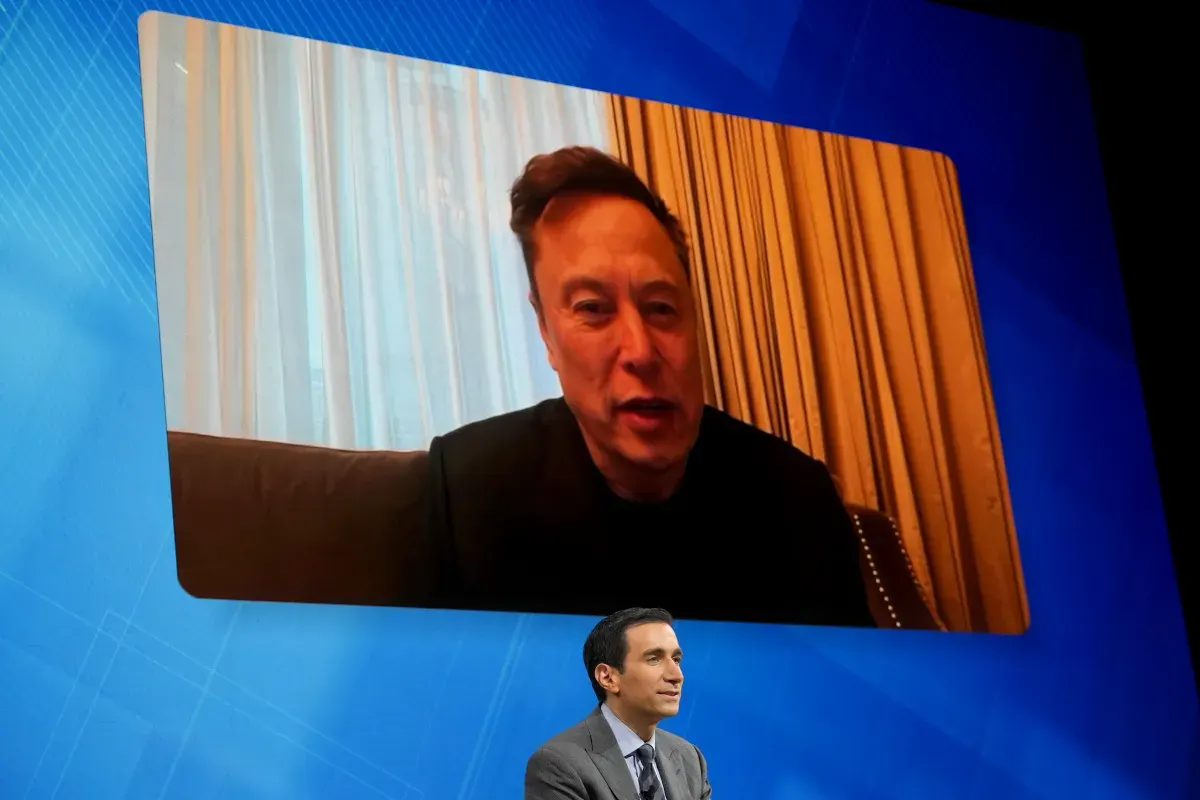
Elon Musk appeared via video call at The New York Times DealBook Summit on Wednesday, delivering a series of remarks that cut against the political brand he has spent the past two years cultivating. Speaking from China, where he is accompanying President Trump at the APEC summit, Musk pushed back on the MAGA label, expressed regret over nine-figure political spending, and deflected mounting legal scrutiny with characteristic bluntness.
'I'm Not MAGA' — With Caveats
In a conversation with Andrew Ross Sorkin, Musk flatly stated, "I'm not MAGA," before almost immediately qualifying the remark. He said he was uncertain what the term even meant, and clarified that if MAGA implied unquestioning loyalty to Republican Party doctrine, that definition did not apply to him. The declaration sits in uneasy tension with his public record: Musk spent $277 million backing Donald Trump's 2024 presidential campaign, self-identified as "dark MAGA" on the campaign trail, and was photographed wearing an oversized MAGA hat during an Oval Office visit after the election.
Musk also told Sorkin that he held no extreme political views, a claim that drew mild laughter from the summit audience — particularly after Sorkin pointed out that some observers consider his immigration positions to be precisely that. Musk's response was a simple "Like what?"
A Nine-Figure Regret
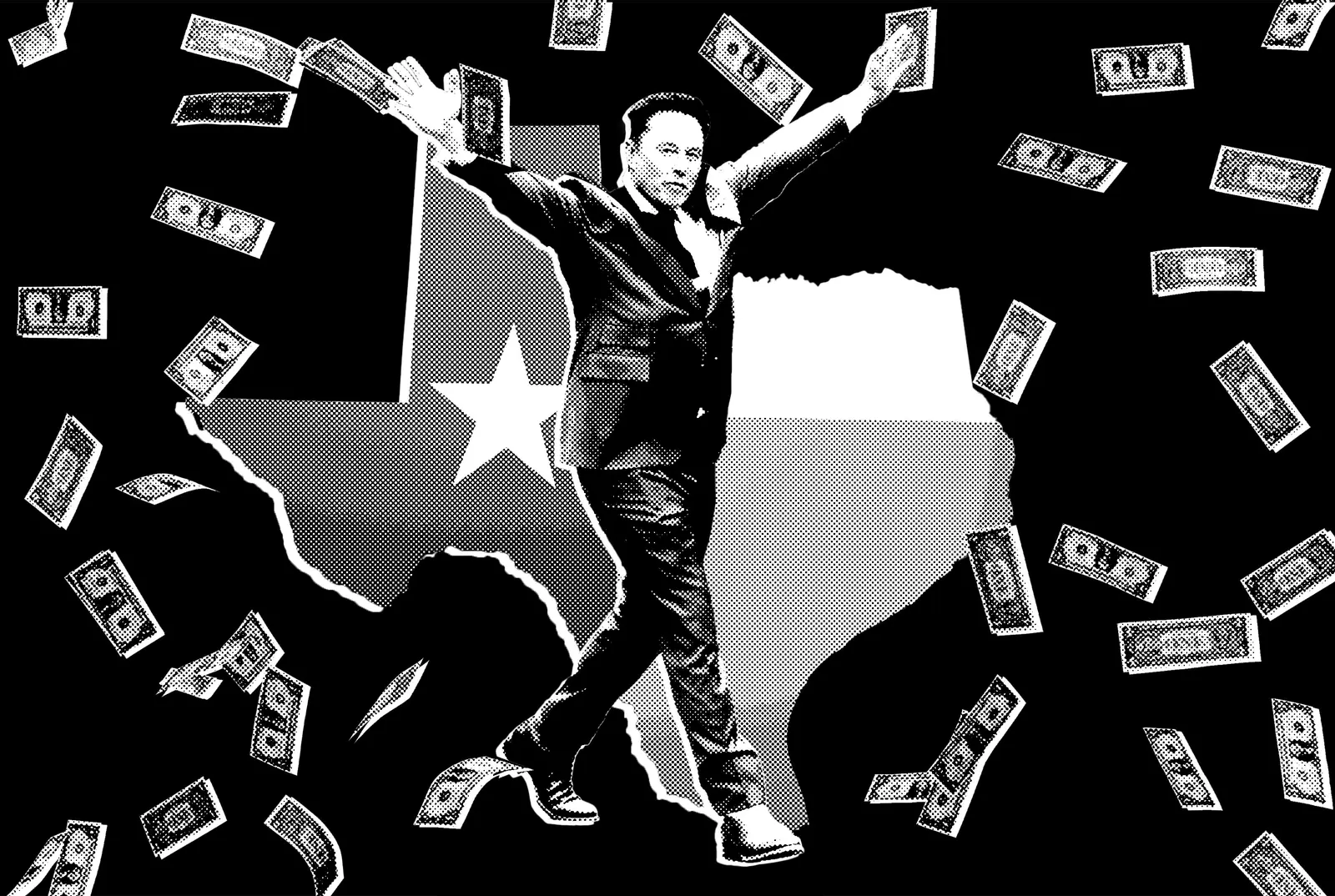
Musk was more candid on the subject of money. According to TechCrunch, the billionaire acknowledged spending approximately $445 million to support Republican candidates during this year's midterms, an election cycle in which a "blue wave" produced widespread Democratic victories. He admitted the outlay may have been a poor decision.
"I feel pretty foolish about having spent so much money and not seen much for it," Musk said, though he allowed that outcomes could theoretically have been worse without his involvement. He concluded that American elections are not simply a function of financial firepower — a lesson that apparently cost him nearly half a billion dollars to learn.
The admission marks a notable shift in tone for a man whose political ambitions have grown steadily alongside his business empire. Those interested in the broader arc of Musk's financial trajectory can find additional context in our earlier report on how Elon Musk became the first trillionaire as SpaceX's valuation soared.
Legal Clouds and a Pardon Question
Sorkin also pressed Musk on the growing volume of legal and congressional scrutiny directed at him. Democratic lawmakers on several oversight committees have signaled interest in examining Musk's role at DOGE — the government efficiency initiative he has led inside the White House — as well as Starlink's conduct in Ukraine, where the satellite internet service has faced accusations of restricting the Ukrainian military's access to its network.
When Sorkin raised the fact that President Trump had floated the possibility of issuing Musk a pardon, Musk was dismissive. "I don't think I need a pardon, because I haven't committed any crimes," he said. It is not the first time Musk has had to navigate friction between his business interests and government officials; a federal judge previously approved a $1.5 million SEC settlement involving Musk under conditions the court itself described with skepticism.
Musk also made a historically charged comparison, likening an unnamed Texas official who had called for his imprisonment to Lavrentiy Beria, head of the Soviet secret police under Josef Stalin. The analogy appeared aimed at Gene Wu, the incoming chair of the Texas House Democratic caucus, who has advocated for a criminal investigation into Musk's activities. Musk's characterization of Texas's legislative structure was inaccurate — the state does not have a House Majority Leader — but his broader point was clear. "Hopefully, in this country, you still need to do an actual crime before you go to prison," he said.
A Changed Posture Since 2023
The contrast with Musk's last DealBook appearance two years ago was striking. In 2023, he was embroiled in a public conflict with advertisers on X over concerns about hateful content on the platform, and he memorably told those advertisers to go to hell on live television. This time, Musk arrived in a more measured register — though the scrutiny surrounding him has only intensified, spanning X's evolving role as a financial platform to the future of his autonomous vehicle ambitions.
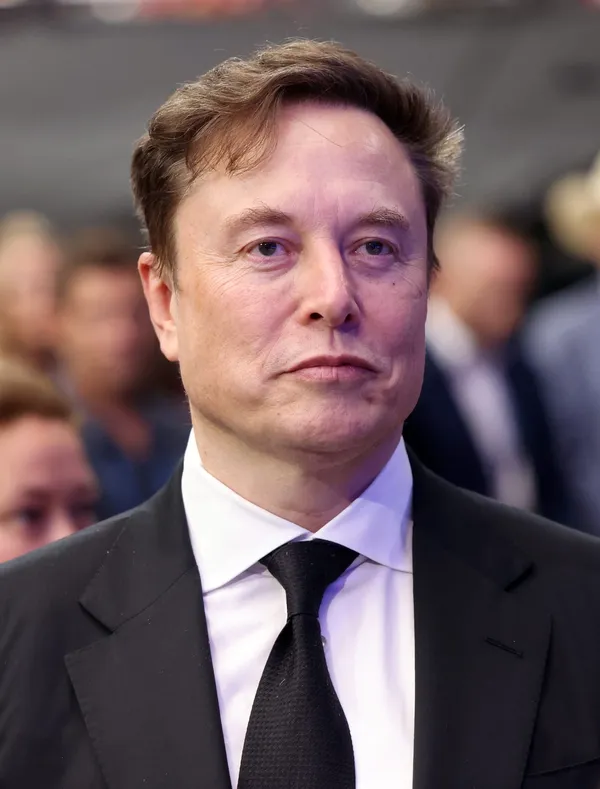 ProfileElon MuskEntrepreneur and business magnate
Related
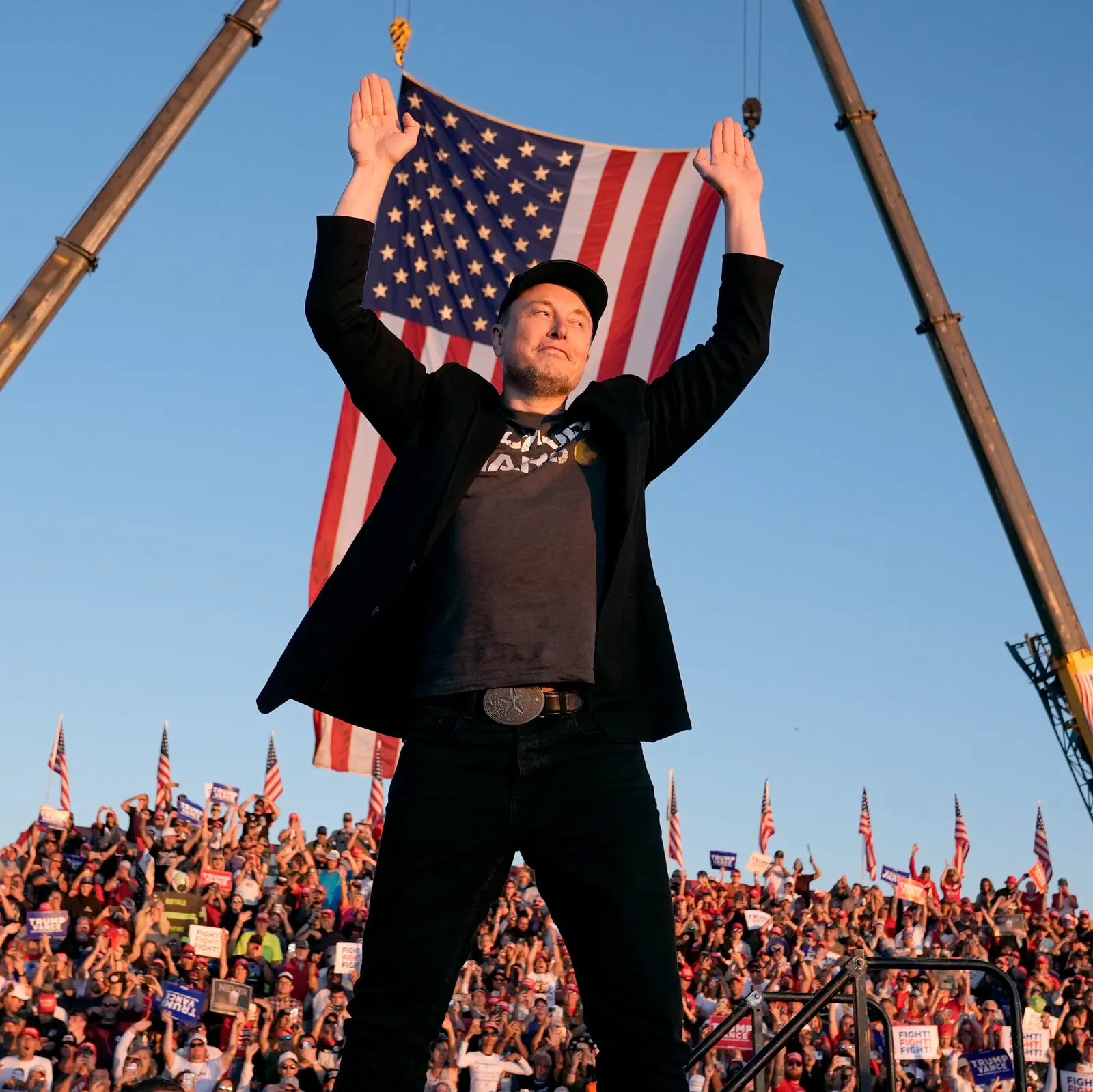
Elon Musk Documentary Among Highlights at Venice Film Festival
The Venice Film Festival features a new section showcasing documentaries, including an anticipated film on Elon Musk.
Musk Expected to Pour Up to $200M Into 2026 Midterm Races
Elon Musk is projected to commit between $100 million and $200 million to Republican midterm efforts, with Texas a key focus.

Tesla Prepares for Cybercab Launch Amid Safety Concerns
Tesla is set to unveil its Cybercab, a driverless vehicle pivotal to Elon Musk's vision, but readiness for public roads is questioned.