Meta Unveils VR Glasses, Camera-Free Audio Specs, and Ray-Ban Gen 3

At Meta Connect, Zuckerberg showed off a lightweight VR headset, a privacy-focused camera-free option, and upgraded Ray-Ban smart glasses.
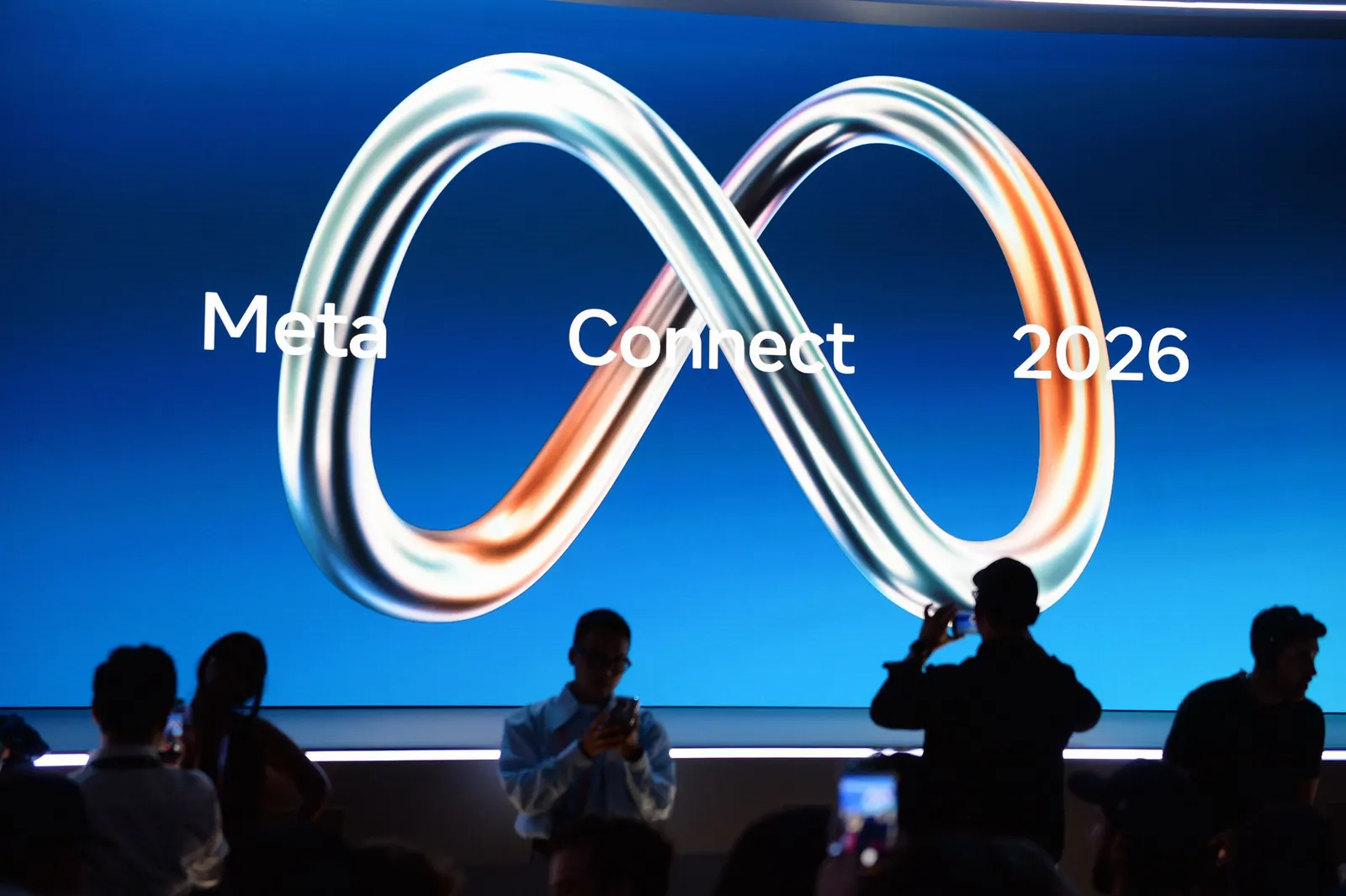
At its annual Meta Connect event in Menlo Park, the company laid out its next wave of smart glasses products — ranging from a slimmed-down VR headset to a deliberately camera-free option. According to WIRED, CEO Mark Zuckerberg used the event to address both hardware ambitions and, indirectly, some ongoing privacy headaches.
The VR Glasses: Lighter, But Not Cheap
The headline product is what Meta is simply calling the VR Glasses. These aren't a new Quest headset in the traditional sense — no head strap, no bulky foam padding. They sit on your face like a pair of oversized goggles and weigh about five times less than the Quest 3. The trade-off is that they don't cover your full field of vision, which means the sense of immersion takes a hit compared to a conventional headset.
Control is handled through hand gestures — pinching fingers to select, forming a fist and flicking your thumb to scroll — plus eye tracking. There are no bundled controllers, though the device supports existing Quest controllers and standard gamepads like an Xbox controller. Inside, each lens runs a 5K micro-OLED display at 2412 x 2288 pixels. Processing and battery are offloaded to a separate compute puck that attaches to the unit.
The software ecosystem is the same as the Quest platform, so existing games like Beat Saber and apps from services like Disney+ will work out of the box. Prescription lens inserts can clip in magnetically, though pricing for those hasn't been announced. The VR Glasses are priced at $1,300 and won't ship until spring 2027 — so there's a long runway before most people need to make a decision.
Ray-Ban Meta Audio: The No-Camera Response
Meta's camera-equipped smart glasses have spent the better part of this year generating privacy concerns — CAA has already challenged Meta's Muse Image AI over related issues, and Meta previously pulled its Muse Image AI amid a wider backlash. The company's answer here is the Ray-Ban Meta Audio: smart glasses with all the audio features of the standard Ray-Ban Meta line, but no camera hardware at all.
At 43 grams, they're the lightest option in the lineup. Battery life is rated at 12 hours per charge, with up to 48 hours using the included charging case. They come in 23 color and frame options — including the classic Clubmaster and a more angular Burbank style. Price is $349, preorders are open now, and shipping starts October 10. It's a straightforward product with an obvious purpose: give privacy-conscious buyers a way into the ecosystem without the camera.
Ray-Ban Meta Gen 3: Incremental, But Solid
The standard Ray-Ban Meta line moves into its third generation with some meaningful, if not dramatic, upgrades. The cameras stay at 12 megapixels, but video now supports 3K Dolby Atmos capture. Battery life extends to nine hours — two more than the previous version. A six-microphone array improves audio pickup and background noise reduction.
A new Hearing Enhancement feature uses the glasses' speakers to amplify speech and surrounding audio, a nod toward hearing-assistive use cases. Gen 3 also introduces Meta-branded variants in two frame shapes — Capri (cat-eye) and Nova (rounder). Special collaboration models designed with Kylie Jenner and rapper Lisa are available with optional charms.
Ray-Ban Meta Gen 3 starts at $449, with special aviator editions at $579. Meta-branded Gen 3 glasses are available now at $299.
Muse AI and What's Still Vague
Zuckerberg also teased a small wearable called the Muse Charm, described as the quickest way to interact with Meta's Muse AI agent. It likely has a rear-facing camera, though the hardware isn't finalized yet. Given the ongoing questions about Zuckerberg's vision for personal AI agents, it's worth watching whether Muse actually delivers on the pitch or remains a work in progress.
Meta's Display Glasses also received updates, including AI-generated photorealistic face holograms for video calls and improved navigation features. The full product spread shows a company trying to cover multiple price points and use cases simultaneously — whether that focus pays off is another question entirely.
 ProfileMark ZuckerbergCo-founder and CEO of Meta Platforms (Facebook)
Related

Jensen Huang's Call from Trump Disrupts Nvidia's All-Hands Meeting
During Nvidia's recent all-hands meeting, CEO Jensen Huang received an unexpected call from Donald Trump, sparking employee buzz about its implications.

Jane Fonda Supports Mark Ruffalo Amid Controversy Over Antisemitism Claims
Jane Fonda stands by Mark Ruffalo after he was labeled antisemitic by Paramount for criticizing Larry Ellison's ties to Israel and a major merger.

Mark Ruffalo Ties Oracle's Military Tech to Paramount Deal, Studio Fires Back
The Hulk actor linked Larry Ellison's Oracle to Israel's military operations, prompting an unusual public response from Paramount calling the remarks antisemitic.