James Gunn Confirms Batman Sequels Won't Film Back-to-Back

DC Studios chief James Gunn has stepped in to correct fan speculation about the production timeline of Matt Reeves' ongoing Batman trilogy.
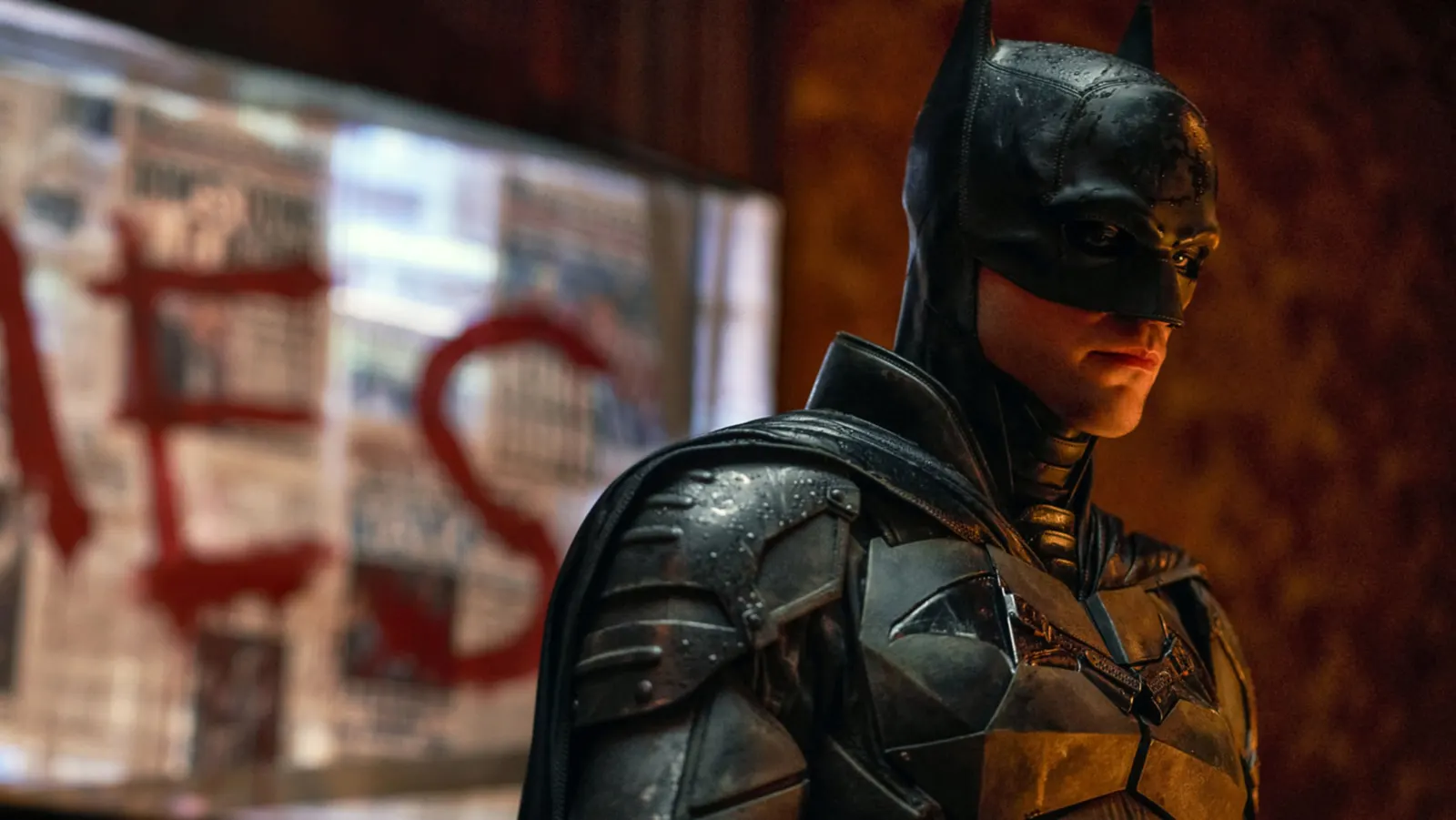
Fan enthusiasm for Matt Reeves' expanding Gotham universe has reached a point where speculation is outpacing reality — and DC Studios co-CEO James Gunn has found it necessary to intervene. In a candid Threads session this week, Gunn addressed a specific piece of rumor-mill chatter head-on, making clear that the production schedules for The Batman: Part II and a potential Part III are not what overeager corners of the internet have been suggesting.
Gunn Steps In on Timeline Speculation
According to Deadline, a fan on Threads asked Gunn directly whether the two sequels were being filmed simultaneously — a back-to-back production model that has precedent in franchise filmmaking, most notably with the Matrix sequels and Peter Jackson's Lord of the Rings trilogy. Gunn's response was characteristically blunt and brief: "I can deny." Two words, but enough to close down a thread of speculation that had been circulating with some persistence among DC fans tracking every available signal about the franchise's future shape.
The clarification matters because back-to-back filming carries real creative and logistical implications. When studios commit to shooting two installments consecutively, they are essentially locking in a shared creative vision, script, and casting framework across both projects before the first has even been tested with audiences. It's an ambitious gamble that occasionally pays off spectacularly, but it also removes flexibility — the ability to pivot based on audience response or evolving storytelling needs.
Reeves' Gotham, Gunn's DCU — A Delicate Coexistence
The broader context here is worth understanding. Matt Reeves' Batman films occupy a somewhat distinctive corner of the DC Studios landscape, operating with a degree of creative autonomy that reflects both Reeves' standing in the industry and the commercial success of the 2022 original. Gunn, who has been reshaping the larger DC cinematic universe with considerable intent — as evidenced by projects like Superman, which has already generated meaningful discussion about his creative direction — has generally been careful to draw a distinction between the main DCU continuity and the Reeves Elseworlds productions.
That careful boundary-keeping is itself a kind of franchise architecture, one that allows both creative pipelines to develop without cannibalizing each other's momentum or audience goodwill. Gunn's willingness to publicly address production questions about a project that sits somewhat outside his primary creative lane suggests he is keenly aware of how misinformation — even well-intentioned fan theorizing — can distort public perception and complicate promotional cycles down the road.
What This Means for the Batman Trilogy's Pace
For audiences anticipating The Batman: Part II, the denial of simultaneous filming doesn't necessarily signal anything alarming about the project's health or direction. It simply means that Reeves and his team are proceeding methodically, one film at a time — a philosophy that arguably served the first installment well. The 2022 film was a patient, atmospheric noir piece, three hours of genuine craft that rewarded deliberate storytelling over franchise efficiency.
Gunn himself has been outspoken about the value of deliberate creative decision-making at DC Studios. His collaborators have echoed that sentiment; Jennifer Holland, for instance, has spoken with real conviction about the ambition underpinning the upcoming Man of Tomorrow, suggesting a studio culture that prizes considered development over breakneck production timelines.
Reading the Room at DC Studios
What Gunn's quick, public correction also illustrates is how actively he is managing the information environment around the DCU — using social platforms as direct channels to fans rather than allowing rumors to calcify into assumed fact. It's a communications strategy worth noting, and one that reflects a broader shift in how studio executives engage with fanbases in the streaming era.
For now, the message from the top of DC Studios is straightforward: The Batman: Part II is its own production, proceeding on its own terms, and no parallel sequel machine is spinning up alongside it. Patience, it seems, remains the operative word in Gotham.
Related on Ni4o: James Gunn's Influence on 'Supergirl' Soundtrack Sparks Mixed Reactions
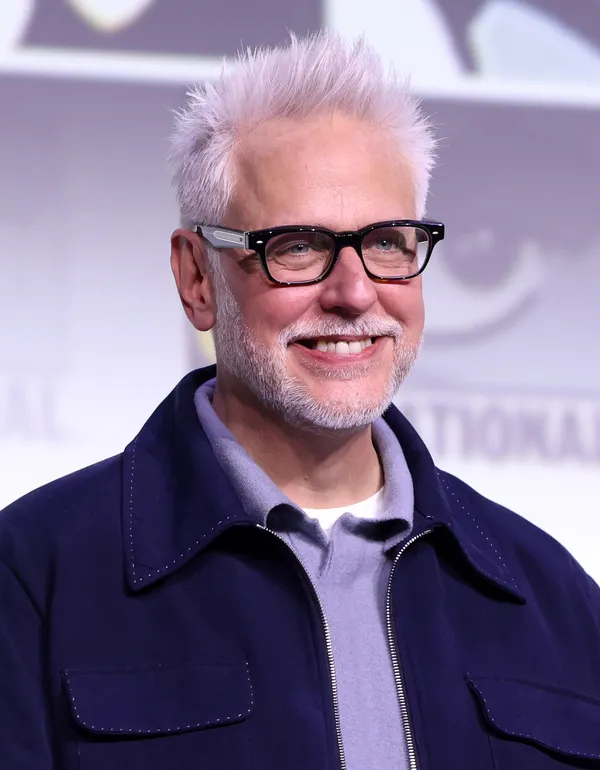 ProfileJames GunnDirector & studio executive
Related
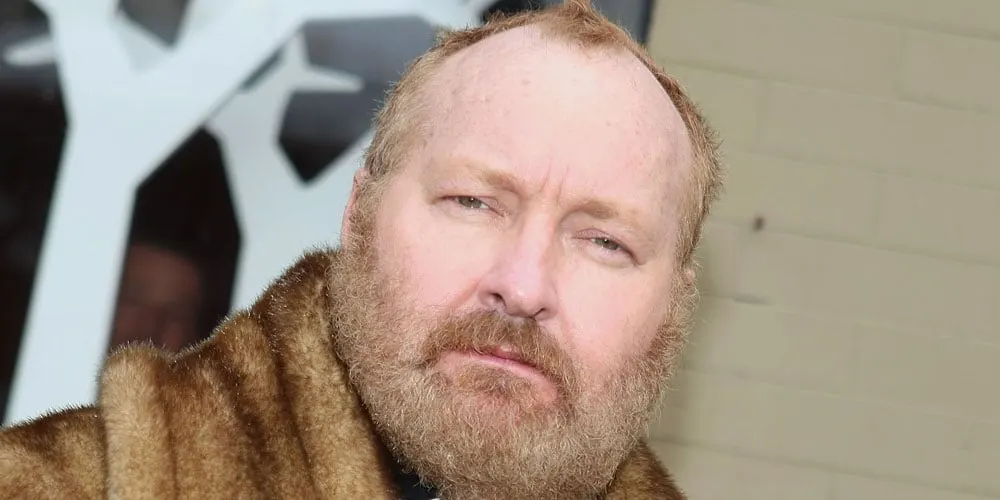
Randy Quaid Slams Anne Hathaway Casting in Days of Thunder Sequel
Randy Quaid, who appeared in the original 1990 film, took to X to demand Nicole Kidman's return and dismiss the Hathaway announcement.

Eva Mendes' 'de Gosling' Tattoo Is the Only One She's Ever Wanted
Eva Mendes is showing off her wrist tattoo again — a small but meaningful piece of ink that carries a deep cultural significance.
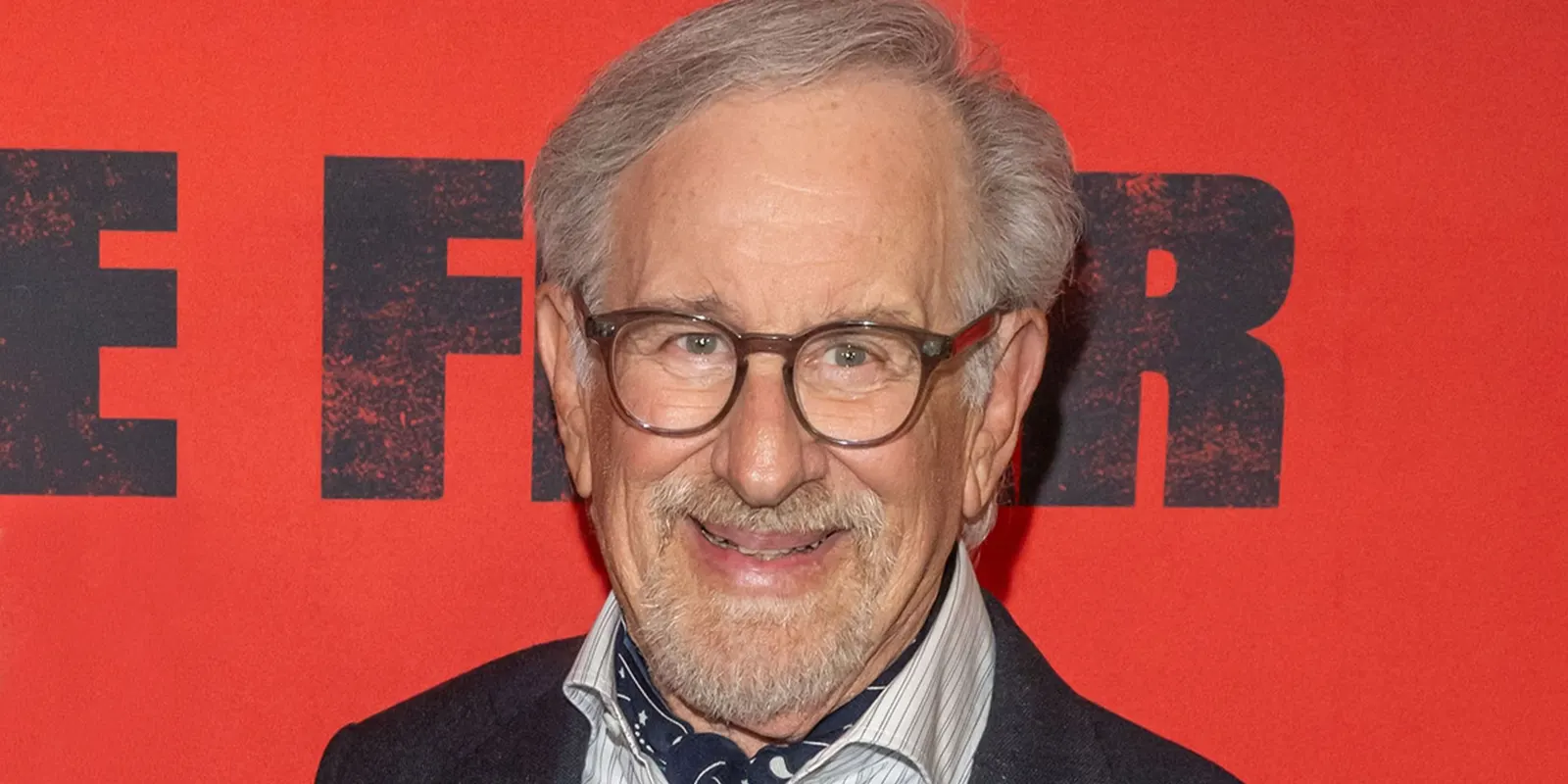
Steven Spielberg's 'War of the Worlds' Returns to Streaming Amid Debate
Steven Spielberg's 'War of the Worlds' is hitting HBO Max next month, reigniting discussions on its mixed reception.