James Gunn's Superman at One: The Five Moments That Define It

A year after its release, James Gunn's Superman reboot stands as a landmark in superhero cinema — here are the scenes that made it essential.
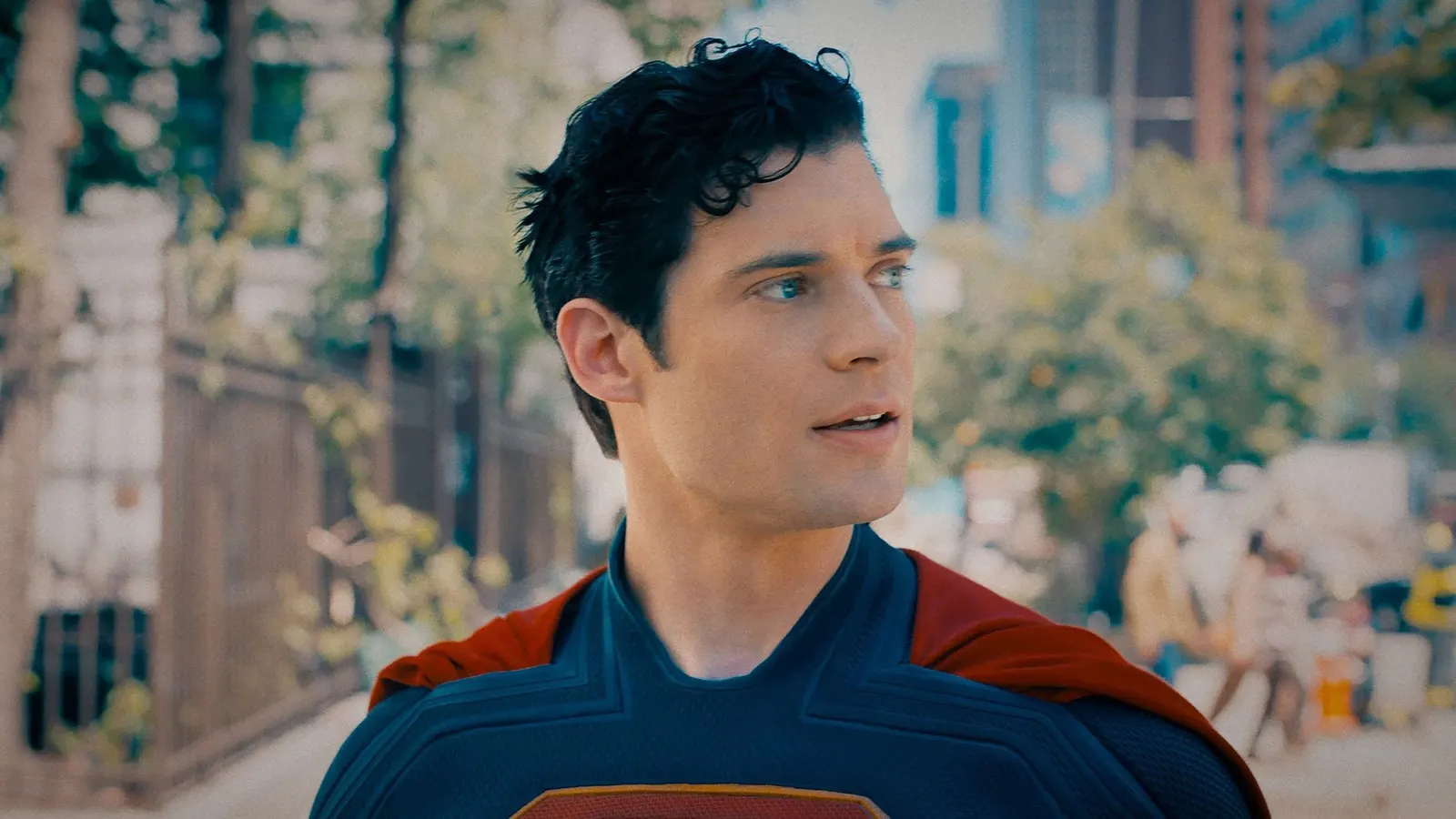
A year has passed since James Gunn's Superman opened the DCU's new chapter on the big screen, and the film has aged with the quiet confidence of a work that understood its assignment from the first frame. With an 83% critical score and a 90% audience rating on Rotten Tomatoes, according to ScreenRant, it represents the kind of origin story Hollywood rarely delivers: one that earns its emotional payoffs through character rather than spectacle.
Returning Superman to His Moral Core
The single most consequential creative decision Gunn made was to reject the brooding, near-mythological register that defined Zack Snyder's Kryptonian. David Corenswet's Clark Kent is warm, uncertain, and genuinely good — a figure closer in spirit to the Donner-era archetype than anything that followed it in the intervening decades. That recalibration gives every set piece a moral weight that action alone cannot manufacture.
The Squirrel and the Kaiju
Mid-film, Superman battles a kaiju-scale creature through the crowded streets of Metropolis, and Gunn frames the sequence not as a test of power but of priorities. The moment that crystallises the whole ethos — Superman pausing mid-combat to prevent a squirrel from being crushed — reportedly divided test audiences, yet it survives in the final cut as the film's most quietly radical statement. It signals that this Superman measures his heroism by the smallest lives as readily as the largest. That single beat does more character work than most origin-story montages manage in twenty minutes.
Breakfast, an Interview, and Two Actors Finding Their Frequency
What was planned as an intimate domestic scene — Clark cooking breakfast for dinner at Lois Lane's apartment — pivots into one of the film's most revealing exchanges when Lois proposes an on-the-record interview. The conversation that follows draws out Corenswet's full range: warmth, frustration, and a principled stubbornness when Lois presses him on his intervention in the Jarhanpur-Boravia conflict. Rachel Brosnahan matches him beat for beat, and the scene ultimately belongs to both of them equally. Chemistry in comic-book films is frequently discussed and rarely earned; here it manifests in real dramatic friction rather than choreographed charm.
Pa Kent and the Question of Inheritance
When a wounded Clark retreats to Kansas, the film slows down to ask a question with genuine philosophical stakes: are we bound by our origins or liberated by our choices? The revelation that Jor-El and Lara Lor-Van dispatched their son to Earth as an instrument of Kryptonian dominance recontextualises Clark's entire existence — and Jonathan Kent's response to that revelation is the film's moral centre. His speech — that parents exist to equip children rather than define them — explains, retroactively, everything generous and selfless in Clark's behaviour across the preceding two acts. It is the kind of scene that rewards a second viewing. Gunn's broader instincts for this universe are equally evident in projects still to come; Jennifer Holland has already called the upcoming Man of Tomorrow potentially his best work yet.
Lex Luthor's Confession and Superman's Rebuttal
The film's antagonist has rarely been written with this degree of self-awareness. Nicholas Hoult's Luthor does not simply hate Superman — he understands why he hates him and articulates it with the precision of a man who has spent years cataloguing his own pathology. His speech, in which he frames envy not as weakness but as civilisational purpose, is villain-writing of a genuinely high order. It sets up Superman's closing rebuttal — a quiet declaration of shared humanity — as the only answer the film needs to give. Where Luthor sees an alien above reproach, Clark sees a person who wakes up every morning without certainty and tries anyway. It is, in miniature, the whole argument of the movie.
A Foundation Worth Building On
The DCU's subsequent output has been uneven — the reception to Supergirl and its soundtrack choices has stirred its own debates — but Superman at one year old remains the high-water mark against which everything else will be measured. Gunn demonstrated that the genre's ceiling is higher than recent years suggested, provided the filmmakers trust character above all else.
Related on Ni4o: James Gunn's Influence on 'Supergirl' Soundtrack Sparks Mixed Reactions
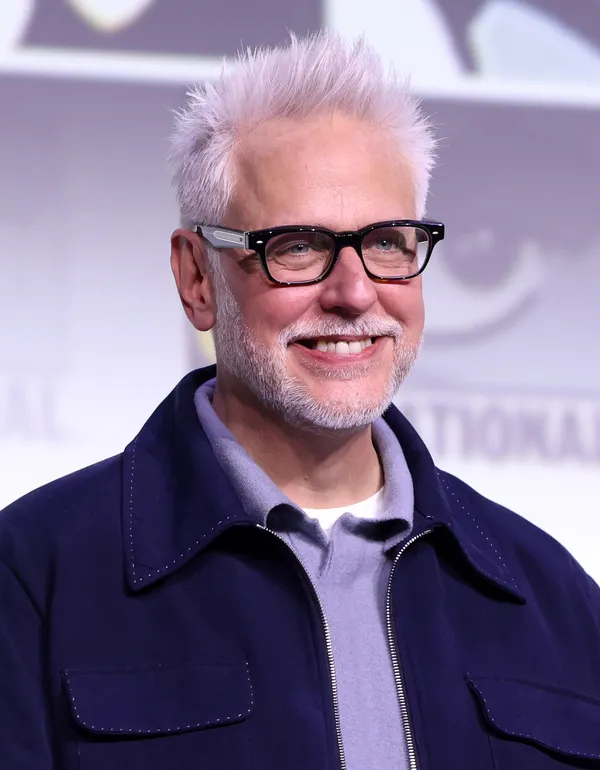 ProfileJames GunnDirector & studio executive
Related
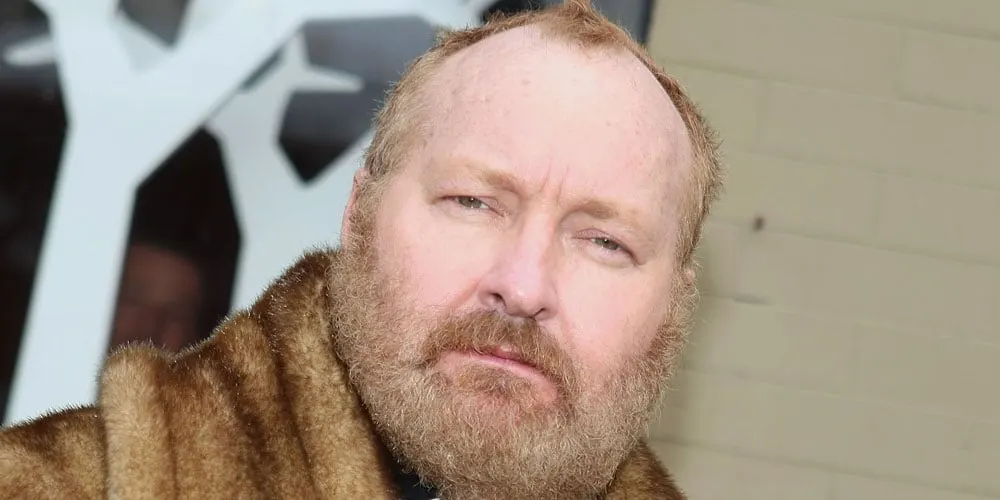
Randy Quaid Slams Anne Hathaway Casting in Days of Thunder Sequel
Randy Quaid, who appeared in the original 1990 film, took to X to demand Nicole Kidman's return and dismiss the Hathaway announcement.

Eva Mendes' 'de Gosling' Tattoo Is the Only One She's Ever Wanted
Eva Mendes is showing off her wrist tattoo again — a small but meaningful piece of ink that carries a deep cultural significance.
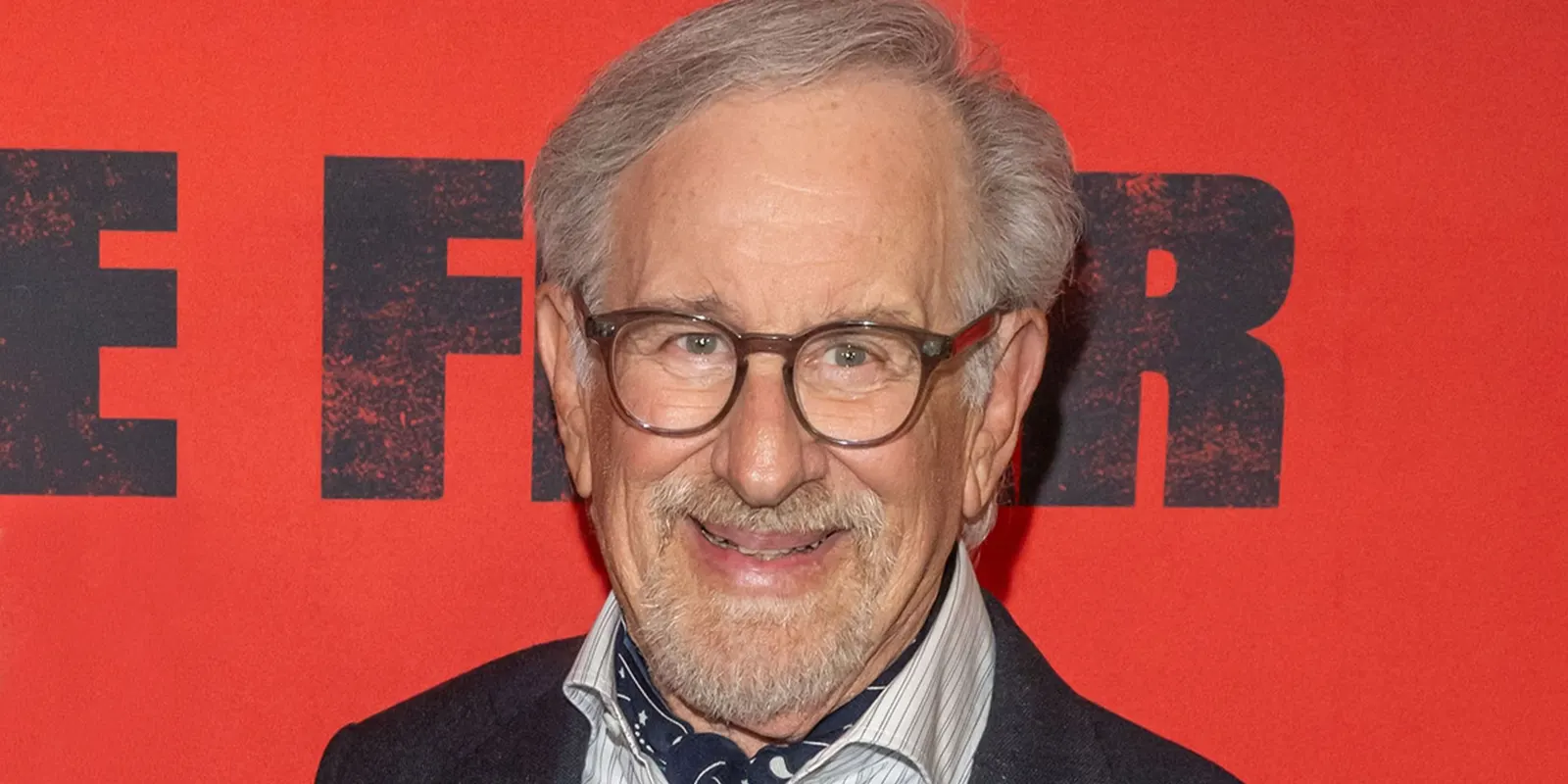
Steven Spielberg's 'War of the Worlds' Returns to Streaming Amid Debate
Steven Spielberg's 'War of the Worlds' is hitting HBO Max next month, reigniting discussions on its mixed reception.