How Tim Cook Reshaped Apple's Products Over 15 Years

From a fitness-tracking watch to a chip transition that changed the Mac, here's what actually shifted under Tim Cook's Apple tenure.
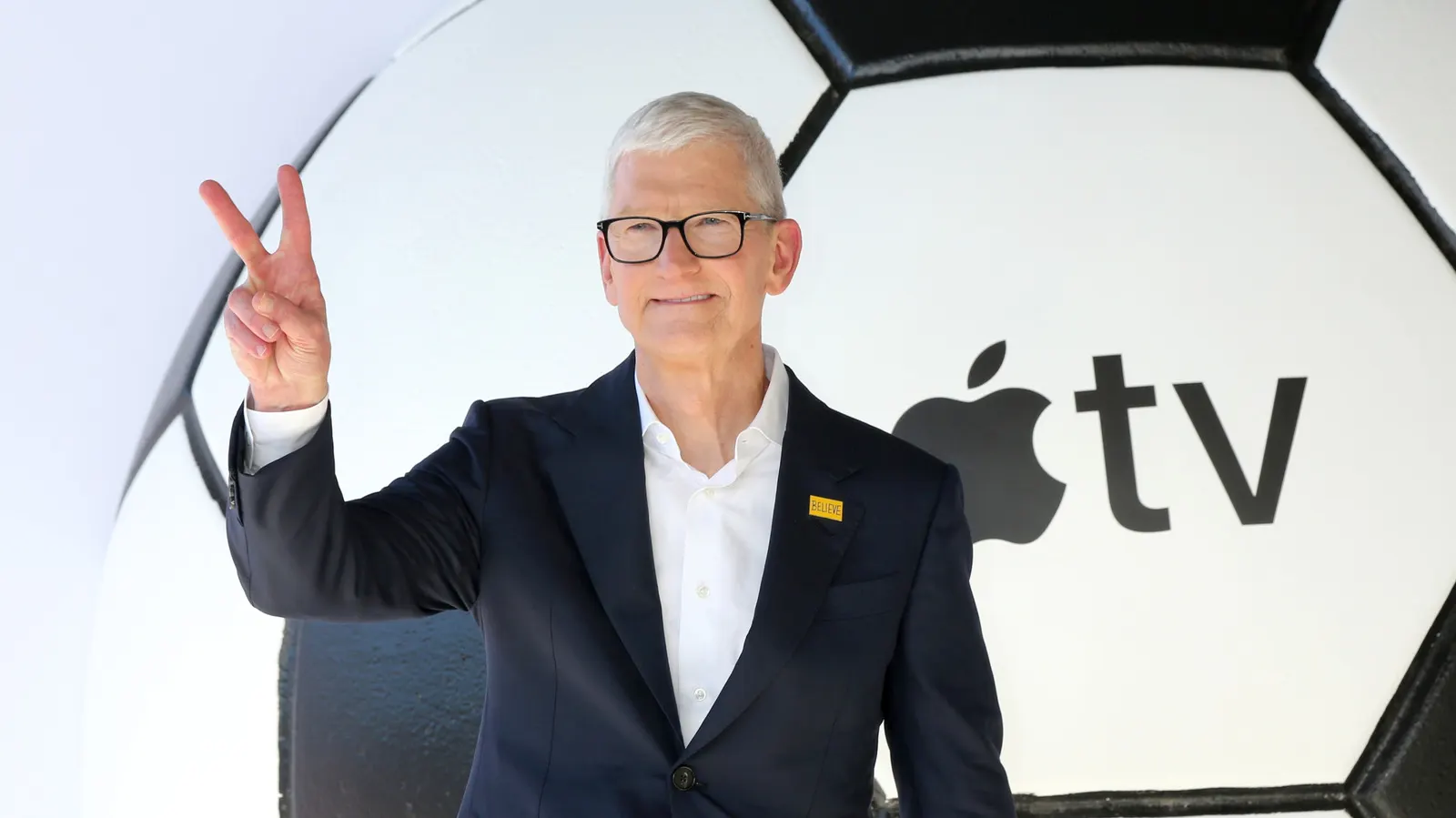
Tim Cook spent 15 years as Apple's CEO quietly changing what the company's products actually do — not just what they look like. According to Engadget, by the time Cook stepped back, Apple was pulling in $416.2 billion in annual net sales and running more than 2.5 billion active devices worldwide. The more useful question isn't the scale, though — it's what changed.
The Apple Watch Became a Medical Device
When the Apple Watch launched in 2015, it was essentially a notification relay for your iPhone with some step counting on the side. That's not what it is anymore. The Series 4 in 2018 added ECG readings and fall detection — the kind of features that can actually alert emergency services when something goes wrong. By 2024, watchOS 11 brought sleep apnea notifications and a Vitals app. The 2025 Series 11 added sleep scoring and hypertension alerts. The device went from iPhone accessory to standalone health monitor, handling metrics the iPhone itself can't touch.
AirPods Got a Bigger Job
AirPods could have stayed a pair of wireless earbuds. Instead, Apple kept building on them: noise cancellation, spatial audio, seamless device switching. Then with AirPods Pro 2, Apple added a clinically validated Hearing Test, Hearing Aid functionality for mild to moderate hearing loss, and Hearing Protection. The AirPods Pro 3 added heart rate sensing. That's a lot to stack onto something most people originally bought just to skip the headphone jack hassle.
Apple Took Control of the Mac's Core Hardware
For years, the Mac ran on Intel chips while every other Apple device used Apple's own silicon. That gap closed in 2020 when Apple announced a two-year transition to its own processors. The M1 chip — combining CPU, GPU, and Neural Engine on one chip — landed first in the MacBook Air, 13-inch MacBook Pro, and Mac mini. The practical result wasn't just faster machines; it was that Apple now controlled the full hardware-software stack on the Mac the same way it did on iPhone and iPad. That kind of vertical control matters more than benchmark numbers, and it's worth noting that pricing decisions tied to chip design are becoming increasingly significant — as Cook himself acknowledged when warning that Apple prices could rise amid chip supply pressures.
The iPhone Camera Became the Default Camera
The iPhone camera under Cook went from a decent point-and-shoot to something that sets the bar for the whole smartphone category. The iPhone 11 added an Ultra Wide lens and Night mode. The iPhone 12 Pro brought ProRAW support. The iPhone 15 Pro pushed to a 48MP main sensor with ProRes video recording. The iPhone 17 continued refining both front and rear cameras. For most people, the iPhone camera isn't a substitute for a real camera — it is their real camera.
Apple Pay Turned the iPhone Into a Wallet
In 2014, Apple Pay gave the iPhone a new practical role: replacing your physical cards. It spread to apps, websites, Apple Watch, and eventually third-party browsers. Ten years after launch, Apple reported hundreds of millions of users across 78 regions, with support from more than 11,000 banks and partners. It's the kind of feature that felt bold at launch and completely ordinary now, which is usually how you know it worked.
Why This Matters
Cook didn't fundamentally reinvent Apple's product lineup — he expanded what those products are capable of doing over time. The watch got medical features. The earbuds became hearing aids. The Mac got its own chips. The camera became a professional tool. The phone became a wallet. None of this happened in a single announcement; it accumulated across a decade and a half of incremental decisions. That's a less exciting story than a single product reveal, but it's probably the more accurate way to understand what Cook's Apple actually accomplished. As Apple moves into its next chapter — particularly around AI and services pricing, where questions are already mounting about the hidden costs of Apple's AI strategy — the foundation Cook built will be what his successor inherits.
Related on Ni4o: Tim Cook Warns Apple Prices Will Rise Amid Chip 'Flood'
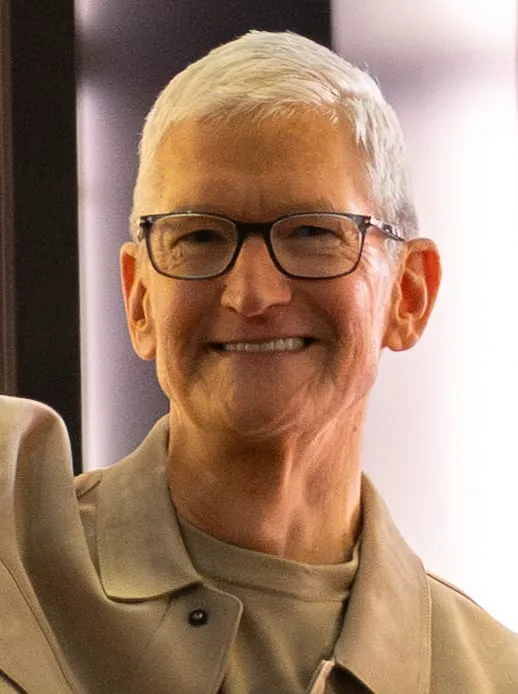 ProfileTim CookCEO of Apple Inc.
Related
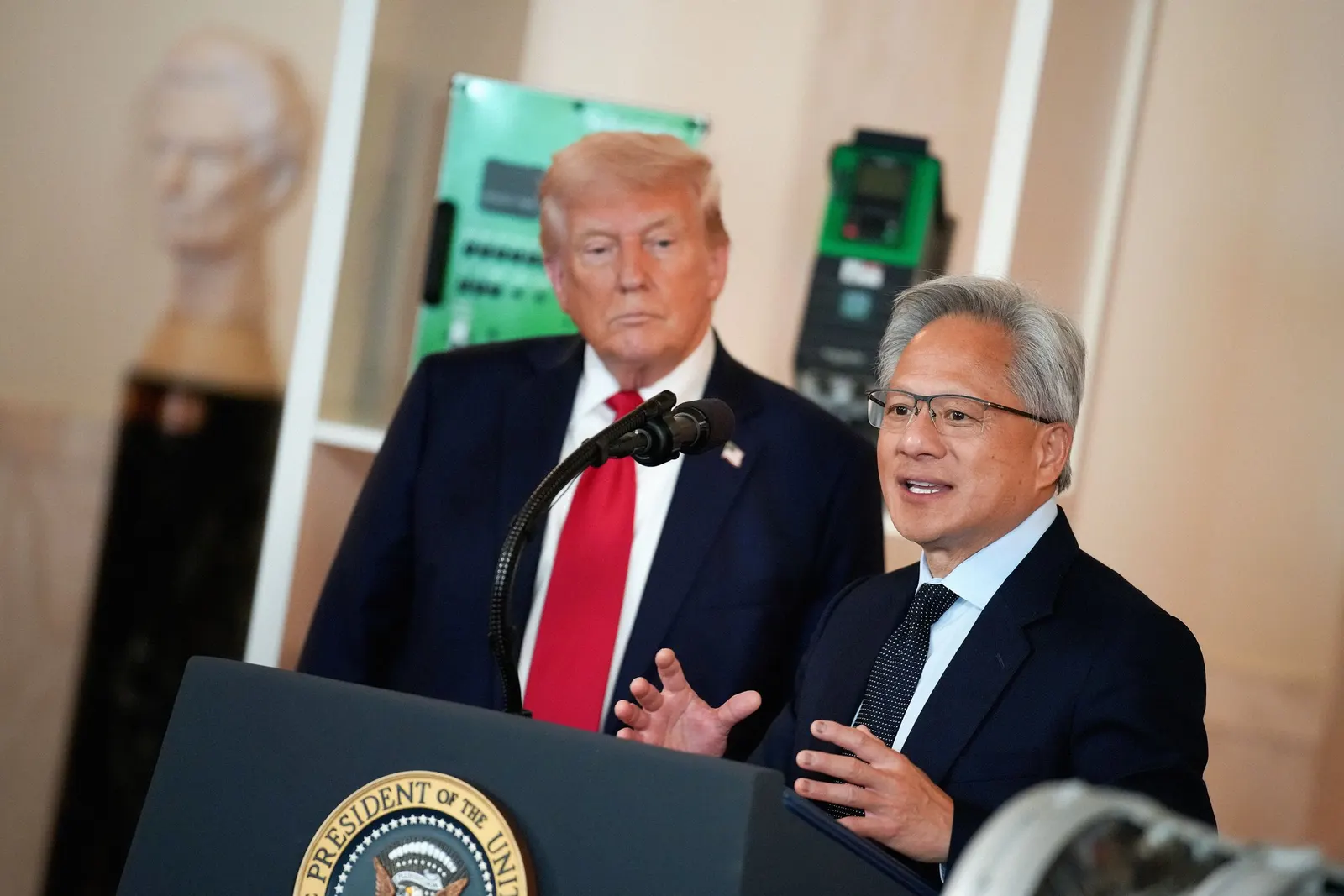
Jensen Huang's Call from Trump Disrupts Nvidia's All-Hands Meeting
During Nvidia's recent all-hands meeting, CEO Jensen Huang received an unexpected call from Donald Trump, sparking employee buzz about its implications.

Jane Fonda Supports Mark Ruffalo Amid Controversy Over Antisemitism Claims
Jane Fonda stands by Mark Ruffalo after he was labeled antisemitic by Paramount for criticizing Larry Ellison's ties to Israel and a major merger.
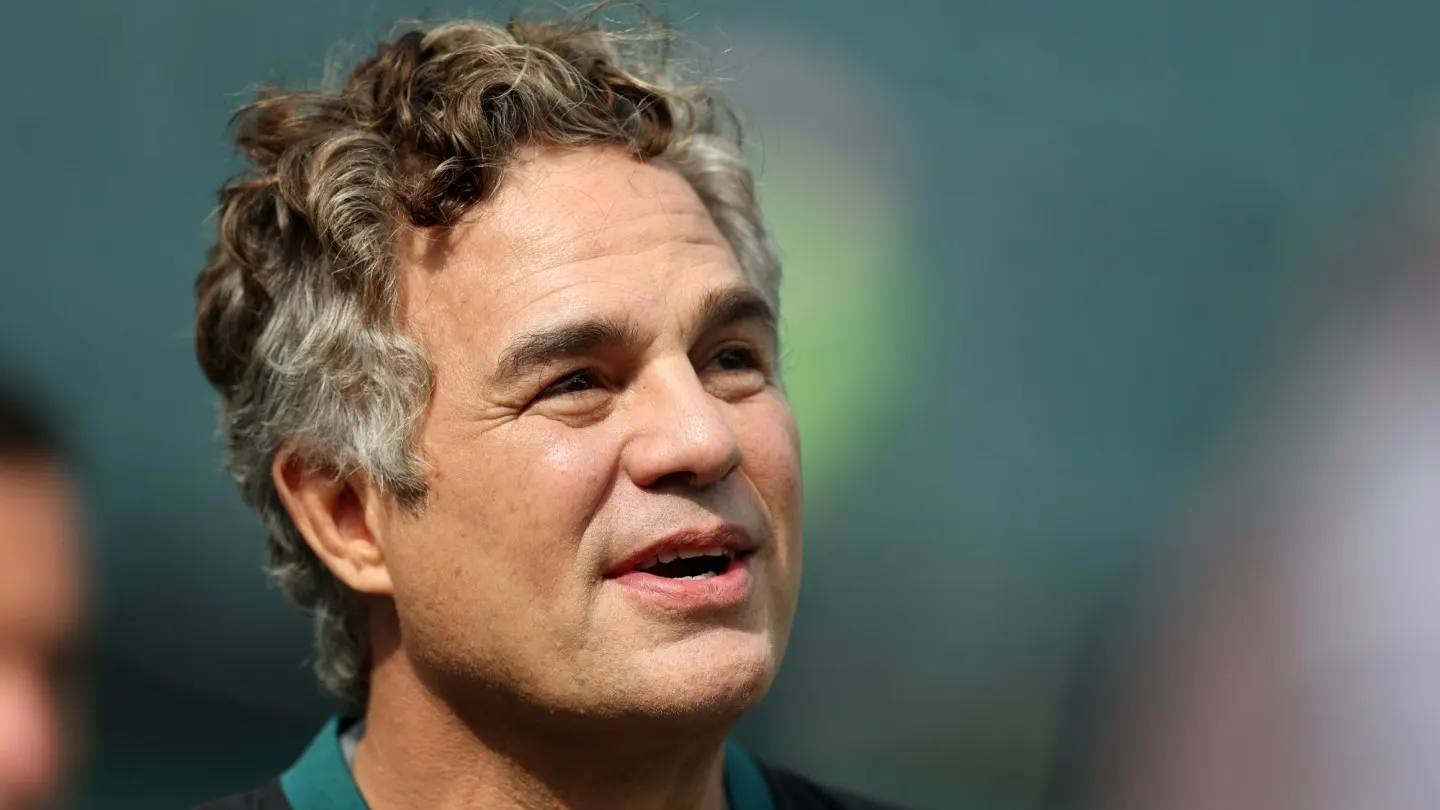
Mark Ruffalo Ties Oracle's Military Tech to Paramount Deal, Studio Fires Back
The Hulk actor linked Larry Ellison's Oracle to Israel's military operations, prompting an unusual public response from Paramount calling the remarks antisemitic.