Hideo Kojima's Digital Ownership Concerns Resurface Amid PlayStation Shift

Hideo Kojima expresses fears about digital ownership as PlayStation moves away from physical games, leaving players concerned about access to their content.
As the gaming industry moves toward a digital-first future, concerns about digital ownership and access have come to the forefront, particularly highlighted by the recent decision by PlayStation to phase out physical game discs. One prominent voice in this ongoing discussion is game designer Hideo Kojima, known for his thought-provoking work and insights on technology and culture.
Kojima's Concerns on Digital Ownership
Back in 2021, Kojima voiced his worries about the potential consequences of reliance on digital formats. In a tweet, he stated, "Eventually, even digital data will no longer be owned by individuals on their own initiative." His foresight captured a major concern—that significant changes in society or even in government could disrupt access to the digital data we've come to rely on, including games, movies, and music. This sentiment has become increasingly relevant as PlayStation's transition away from physical media highlights the fragility of digital ownership.
A Shift in the Gaming Landscape
Kojima's remarks have gained traction recently as the community reflects on what the end of physical games could mean for gamers. While his original comments didn't explicitly mention games, many in the industry have echoed his fears about how easily this access can be revoked. As noted, this isn't just about missing out on upcoming titles—it's about the broader implications of relying solely on digital media.
Historical Context: The Case of PT
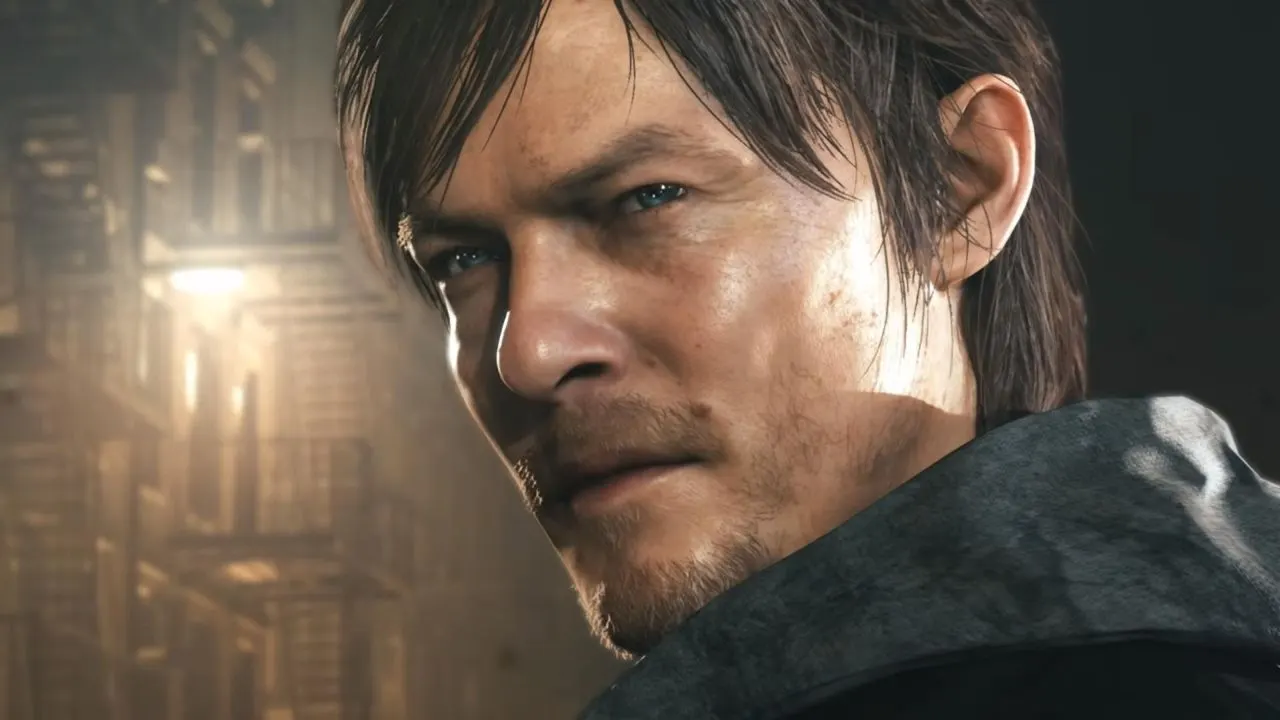
To understand the stakes involved, one only needs to look at Kojima's own history with digital games. His project, PT, originally designed as a teaser for the now-shelved Silent Hills, serves as a cautionary tale. After its cancellation and Kojima's fallout with Konami, PT was removed from the PlayStation Store, effectively locking players out of the game. This incident exemplifies the resilience of digital media, and how easily it can be taken away. Many fans have expressed a desire to preserve access to such titles, illustrating that concerns about digital ownership aren't just abstract; they have tangible implications for the gaming community.
Industry Reactions and Predictions
Kojima isn’t alone in his views; there’s a growing chorus of gamers and creators expressing similar concerns. The transition to an all-digital future raises questions about the permanence of access to our favorite games and media. With everything stored in the cloud and dependent on the goodwill of publishers, the risk of losing access to beloved titles is ever-present. The sentiment isn’t merely about nostalgia; it’s about the right to own and maintain access to something players have paid for—and the potential for publishers to cut ties whenever they see fit.
Looking Ahead: The Future of Digital Gaming
As we look toward an inevitably digital-centric gaming future, the discourse surrounding ownership and access will only grow more critical. Kojima’s commentary serves as a reminder that while technology evolves, the heart of gaming lies in the community and the treasures of experiences it offers. For enthusiasts, understanding these dynamics will be crucial as the reliance on digital platforms increases.
In summary, the concerns raised by Hideo Kojima and echoed by many others in the community remain pressing as PlayStation makes this significant shift. As players, we need to remain vigilant about ensuring the accessibility and ownership of the digital games we cherish.
Related on Ni4o: Ludwig Shuts Down 'Made Up' EVO Street Fighter Drama · Faker Talks MSI 2026 Meta, Mindset and Advice for Neon · s1mple Hit With One-Year Ban by Ukrainian Esports Federation
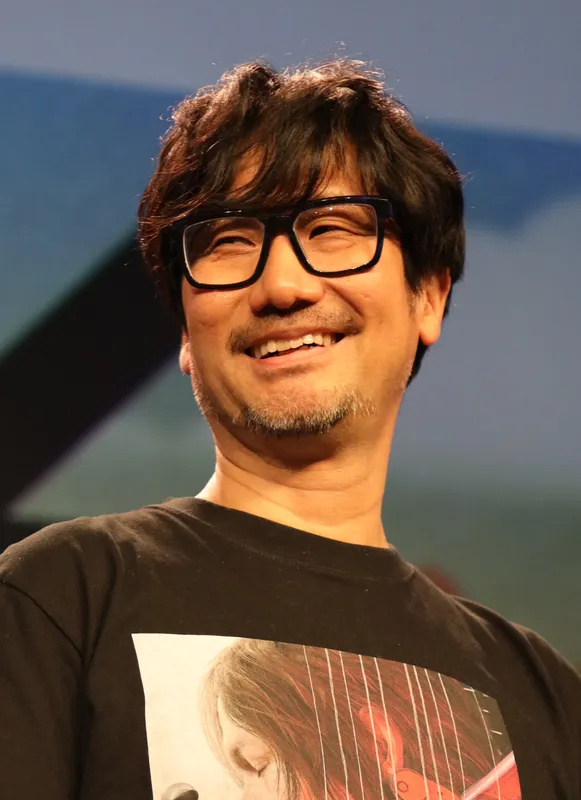 ProfileHideo KojimaGame designer
Related

Shailene Woodley Reflects on What Could Have Been as Mary Jane Watson
Shailene Woodley recalls the excitement of being cast as Mary Jane Watson, only to be cut from 'The Amazing Spider-Man 2'. What happened next?

Hull City Stun Man Utd 2-0 on Premier League Return
Written off before a ball was kicked, Hull City opened their Premier League comeback with a convincing 2-0 win over Manchester United.
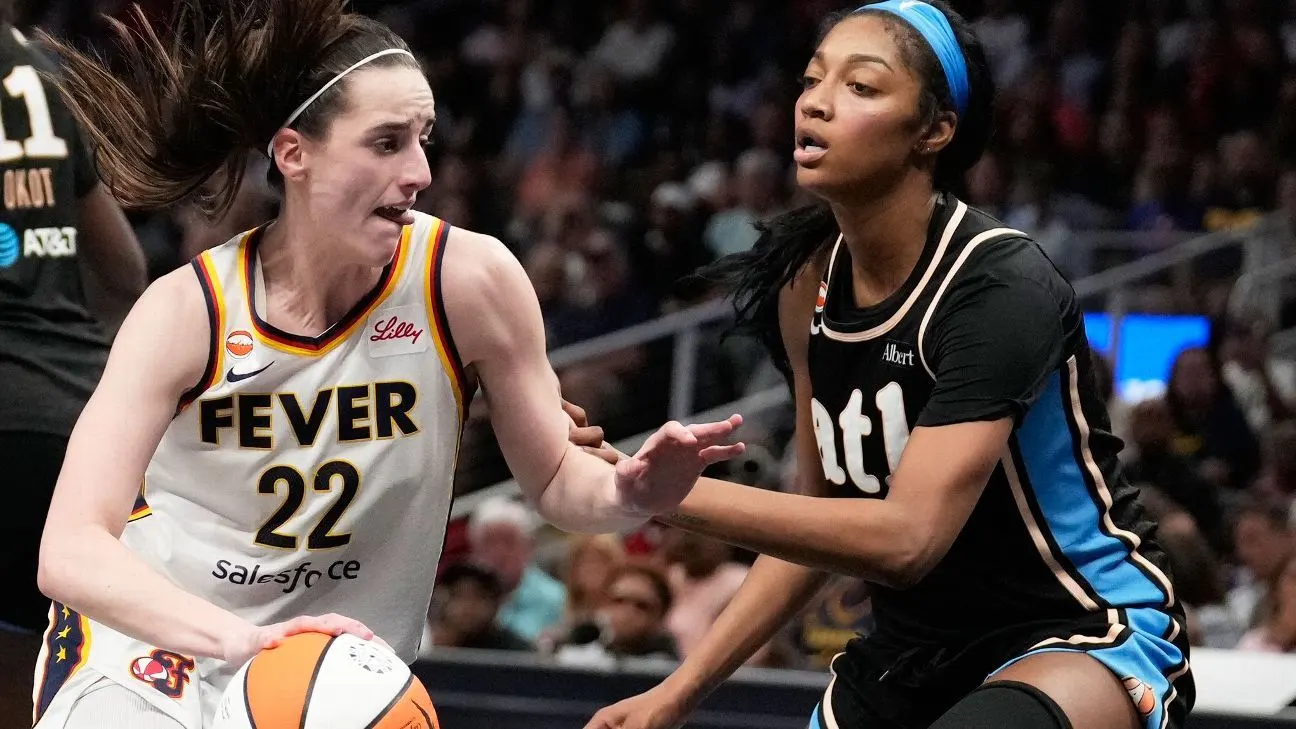
Fever Secures Crucial Overtime Victory Against Dream
The Fever outlasted the Dream 95-91 in overtime, impacting playoff standings with an electric atmosphere reminiscent of postseason games.