Dream Steps Back From Streaming — What It Means for His Future

Dream is taking a break from active streaming to prioritize his mental health, raising questions about what comes next for one of gaming's biggest names.

Dream built one of the most recognizable brands in gaming over the past several years, but the Minecraft content creator is now hitting pause. According to reports, Dream has stepped back from active streaming to focus on his mental health, a move that's worth understanding in context rather than just treating as a headline.
What Dream Actually Said
Dream made clear that this isn't a retirement or a permanent exit from content creation — it's a deliberate decision to prioritize his wellbeing over output. That's a meaningful distinction. The streaming grind is relentless, and the pressure that comes with operating at Dream's level of visibility is something most people outside the industry underestimate. Millions of subscribers, constant scrutiny, and the expectation to always be "on" add up over time.
He hasn't laid out a specific timeline for a return, which is probably the honest move. Putting a hard date on a mental health break tends to undermine the whole point of taking one.
Why This Matters for Gaming Content
Dream's influence on Minecraft content specifically — and on YouTube gaming more broadly — has been substantial. His manhunt series format, in particular, helped revive mainstream interest in Minecraft at a time when the game was already resurging. When someone at that level steps back, it creates a real gap, not just for fans but for the broader creator ecosystem that had built content around reacting to, competing with, or simply existing alongside him.
The gaming content space doesn't stand still, though. Smaller creators and rising streamers will continue filling that space. It's also worth noting that burnout and mental health struggles aren't unique to Dream — this is an industry-wide conversation that's been building for years.
The Broader Streaming Burnout Problem
Dream's situation fits into a wider pattern across gaming and esports culture. High-profile figures across the space have been increasingly open about the cost of sustained public performance. Whether it's top streamers, competitive players, or content creators, the conversation around mental health has shifted from taboo to something the community is at least starting to take seriously.
For context on how other prominent figures in gaming navigate pressure and longevity, Faker's recent comments on mindset and the MSI 2026 meta offer an interesting parallel — elite-level performers across games are thinking more carefully about sustainability, not just short-term output.
What Comes Next
There's no clear picture yet of what Dream's content schedule looks like when — or if — he returns to a more active role. His YouTube channel and social presence haven't gone dark entirely, so he's maintaining some level of connection with his audience without committing to a full content slate.
The gaming community tends to be impatient, but the smarter read here is that a creator returning on their own terms, with their mental health intact, is going to produce better work than one who grinds through burnout. Dream stepping back isn't a failure — it's a reasonable call given what the job actually demands.
For anyone curious about how drama and misinformation tend to swirl around gaming figures during periods of reduced activity, Ludwig's recent pushback on fabricated EVO drama is a reminder that the rumor mill in this space moves fast and isn't always grounded in fact.
The situation is worth watching, but not worth catastrophizing.
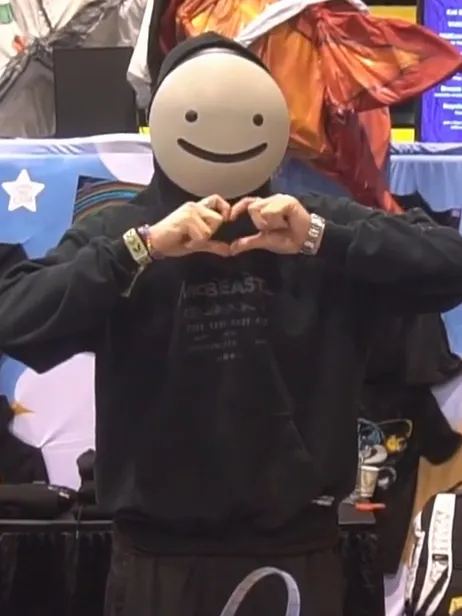 ProfileDreamYouTuber and Minecraft content creator
Related
Shailene Woodley Reflects on What Could Have Been as Mary Jane Watson
Shailene Woodley recalls the excitement of being cast as Mary Jane Watson, only to be cut from 'The Amazing Spider-Man 2'. What happened next?

Hull City Stun Man Utd 2-0 on Premier League Return
Written off before a ball was kicked, Hull City opened their Premier League comeback with a convincing 2-0 win over Manchester United.
Fever Secures Crucial Overtime Victory Against Dream
The Fever outlasted the Dream 95-91 in overtime, impacting playoff standings with an electric atmosphere reminiscent of postseason games.