Gaming
Shailene Woodley Reflects on What Could Have Been as Mary Jane Watson
Shailene Woodley recalls the excitement of being cast as Mary Jane Watson, only to be cut from 'The Amazing Spider-Man 2'. What happened next?
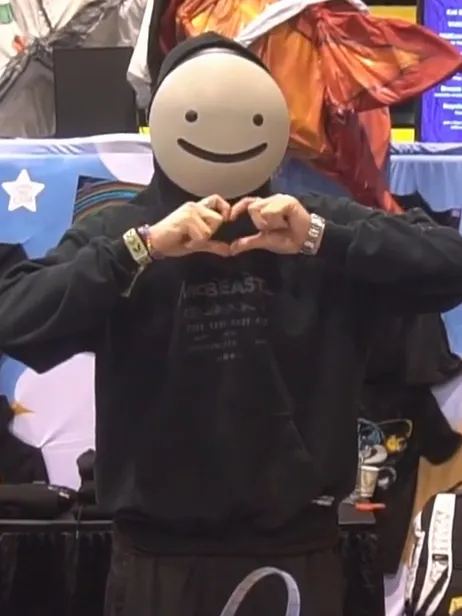
YouTuber and Minecraft content creator
Dream is an American YouTuber and online content creator who rose to prominence through Minecraft videos, becoming one of the most-watched and most-discussed personalities associated with the game. Known for keeping his identity private for years and performing under a smiley-face avatar, he built an enormous audience during a period when Minecraft content experienced a major resurgence in popularity.
Dream began posting videos centered on Minecraft, experimenting with various formats before finding success with creative, high-tension gameplay. His most influential series featured a format in which he attempted to complete the game while one or more friends, known as hunters, tried to stop him. These "Manhunt" videos combined fast-paced strategy, improvisation, and dramatic chase sequences, and they resonated strongly with viewers, racking up tens of millions of views and propelling rapid channel growth.
Alongside the chase videos, he became closely linked with the broader Minecraft speedrunning community and with collaborative content involving other creators. He helped popularize a tight-knit group of collaborators, several of whom became major creators in their own right, and the chemistry among them became a key part of his appeal.
A significant part of Dream's influence came through the Dream SMP, a private survival multiplayer server that evolved into an elaborate, loosely scripted narrative played out across many creators' streams and videos. The server developed ongoing storylines, alliances, conflicts, and character arcs, attracting a passionate fan base that followed the unfolding drama much like a serialized show. The project became a cultural touchstone for a generation of online viewers and demonstrated how collaborative gaming spaces could function as a form of community-driven storytelling.
Dream's audience was notable not only for its size but for its intense engagement, producing extensive fan art, analysis, and online communities. This devoted following helped his channels achieve remarkable subscriber and viewership milestones in a relatively short span of time.
Dream's career has not been without dispute. He faced scrutiny over the legitimacy of a recorded speedrun, which led to a public back-and-forth involving community moderators and independent analysis of the run's probability. He addressed the matter publicly, and the episode became a widely referenced moment in speedrunning history. As with many prominent online figures, his rapid rise also brought heightened criticism and debate within fan communities.
For years, Dream declined to show his face, fueling speculation and anticipation among followers. He eventually revealed his appearance in a video that drew major attention, marking a notable shift in his public presence. The decision sparked widespread discussion about creator privacy, the parasocial relationships that develop online, and the pressures faced by influencers who build careers behind anonymity.
Beyond individual videos, Dream became a symbol of a particular era of internet culture in which Minecraft content, collaborative servers, and dedicated fandoms intersected. He expanded into music releases and merchandise, leveraging his reach across platforms. His work influenced how younger creators approach community building, serialized content, and the balance between personal privacy and public engagement.
While opinions about him vary across the online landscape, his footprint on the Minecraft community and on contemporary YouTube culture is substantial. Dream's trajectory illustrates how a single creator, working within a popular game, can shape trends, launch collaborative projects, and cultivate one of the more recognizable and debated fan communities of the modern streaming age.
Shailene Woodley recalls the excitement of being cast as Mary Jane Watson, only to be cut from 'The Amazing Spider-Man 2'. What happened next?

Written off before a ball was kicked, Hull City opened their Premier League comeback with a convincing 2-0 win over Manchester United.
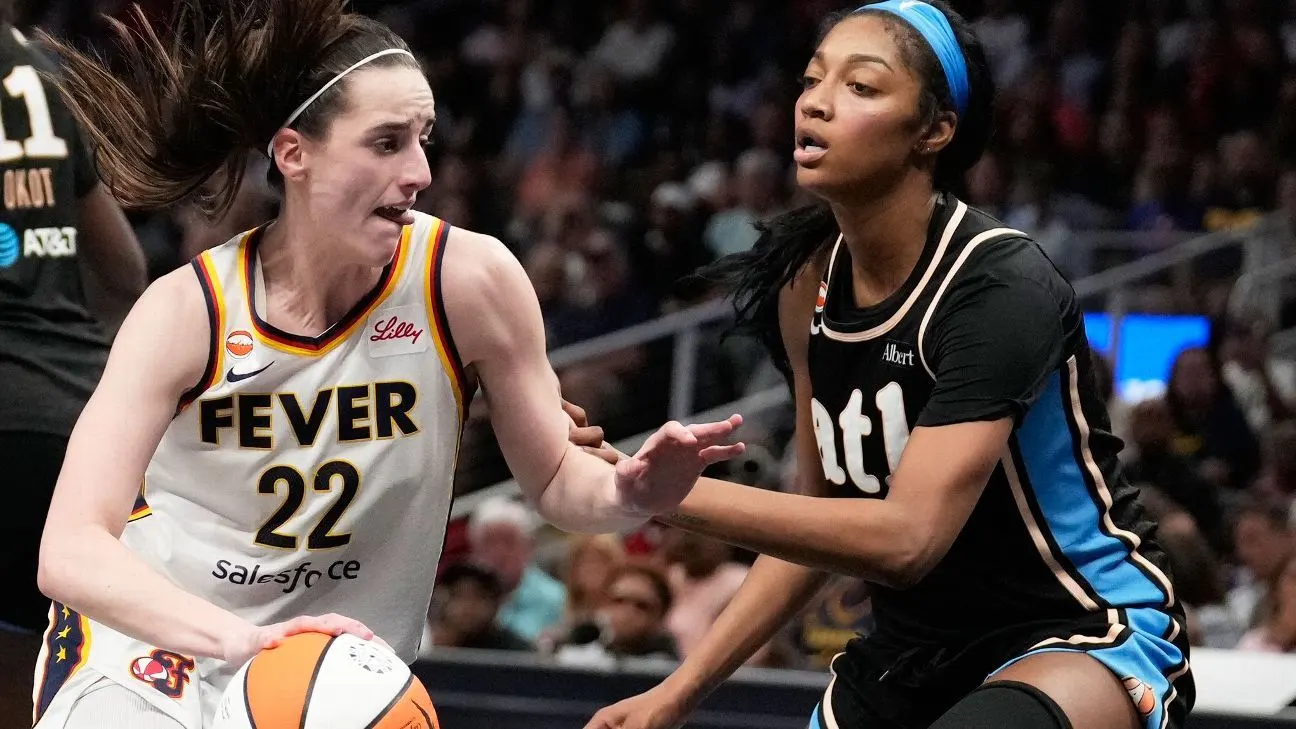
The Fever outlasted the Dream 95-91 in overtime, impacting playoff standings with an electric atmosphere reminiscent of postseason games.

The 17-year-old striker waited over 200 days to play competitively for Aston Villa — and marked his debut with a goal against PSG.
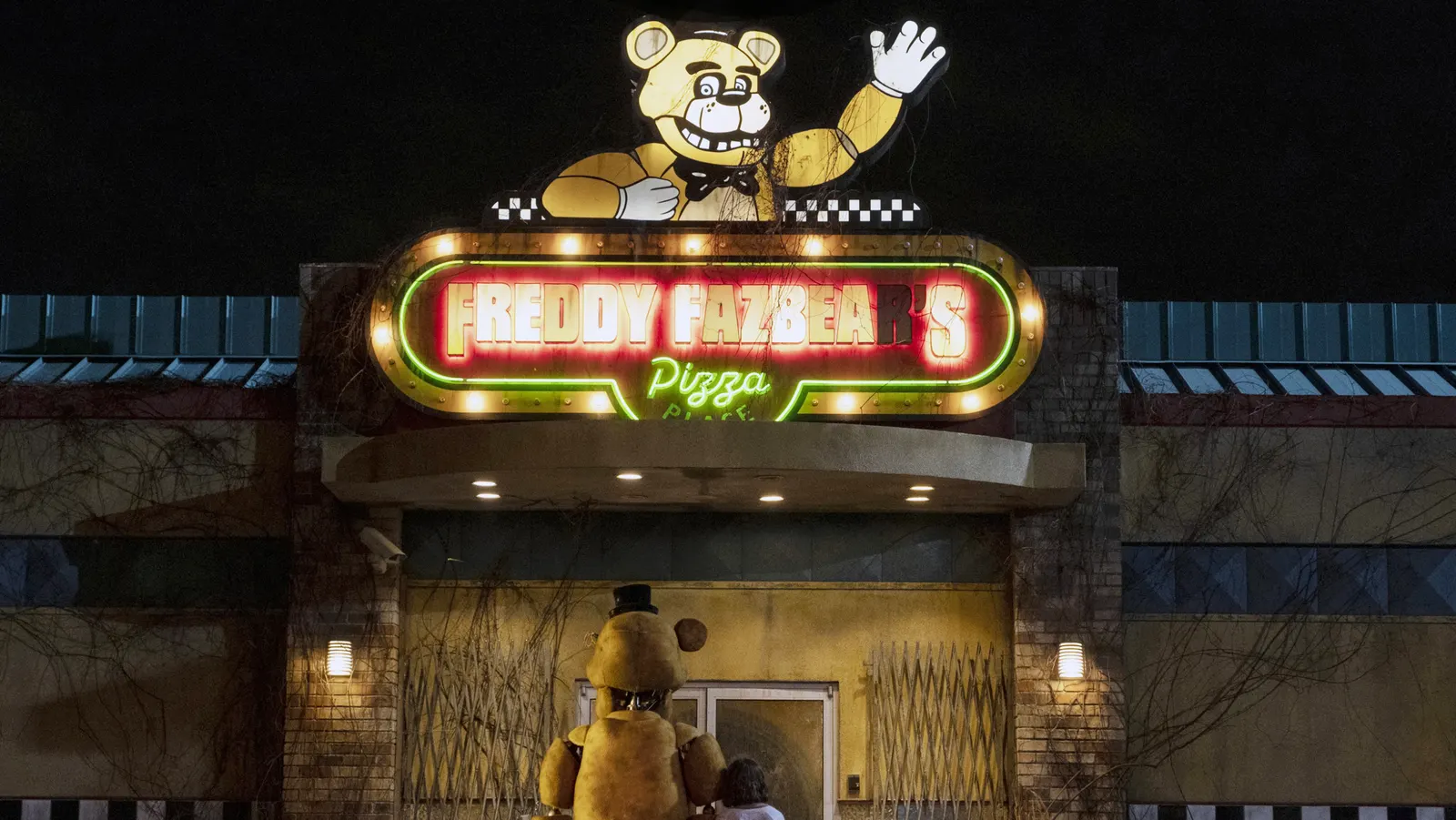
Freddy Fazbear's Pizza is becoming a real restaurant at the American Dream mall, with arcade games, animatronic shows, and actual pizza.

Dream has stepped back from active streaming, and the reasons behind it are more straightforward than the speculation suggests.
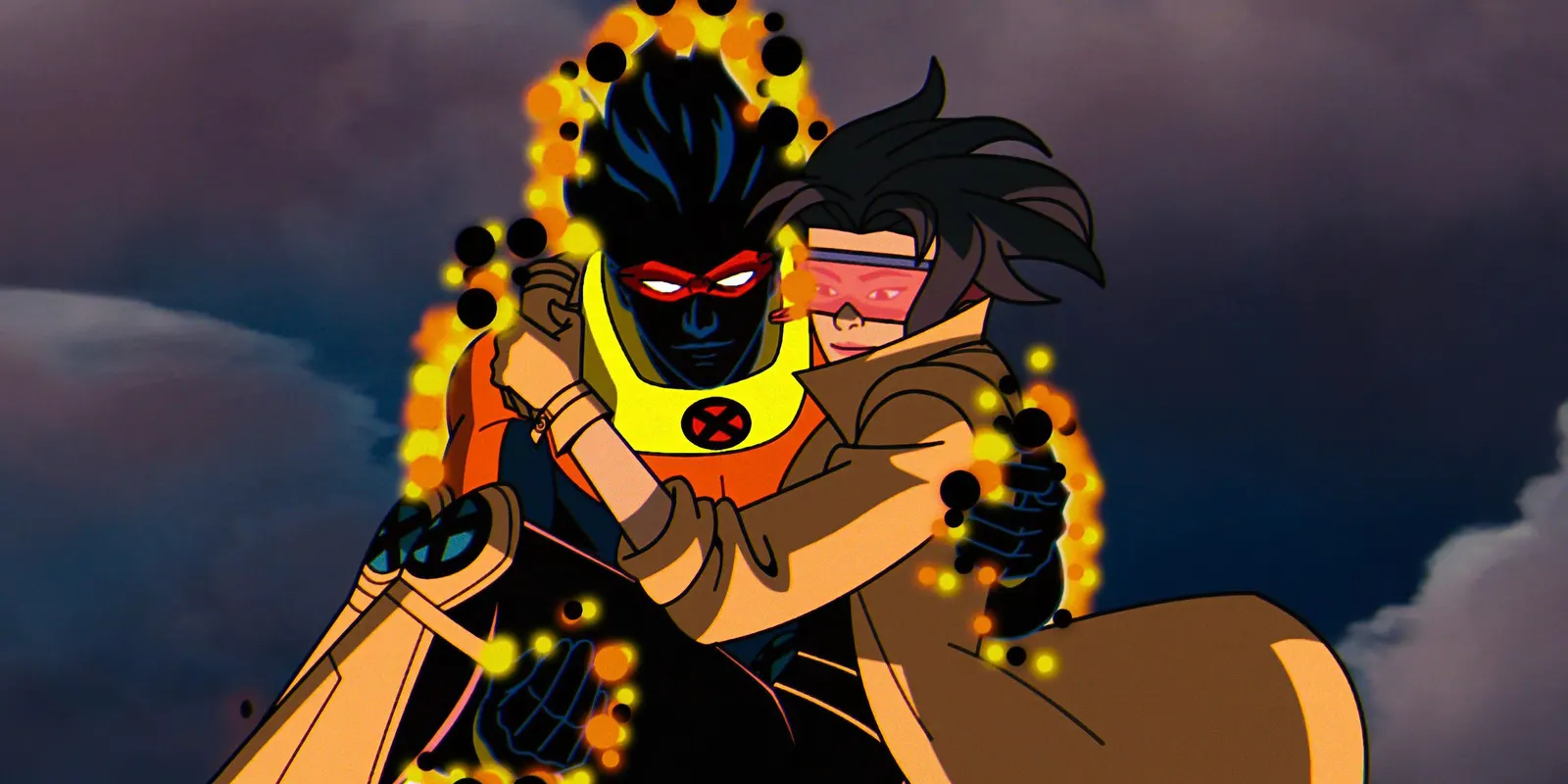
Gui Agustini, the voice of Sunspot in X-Men '97, has shared which characters he's hoping show up in future seasons — and why.
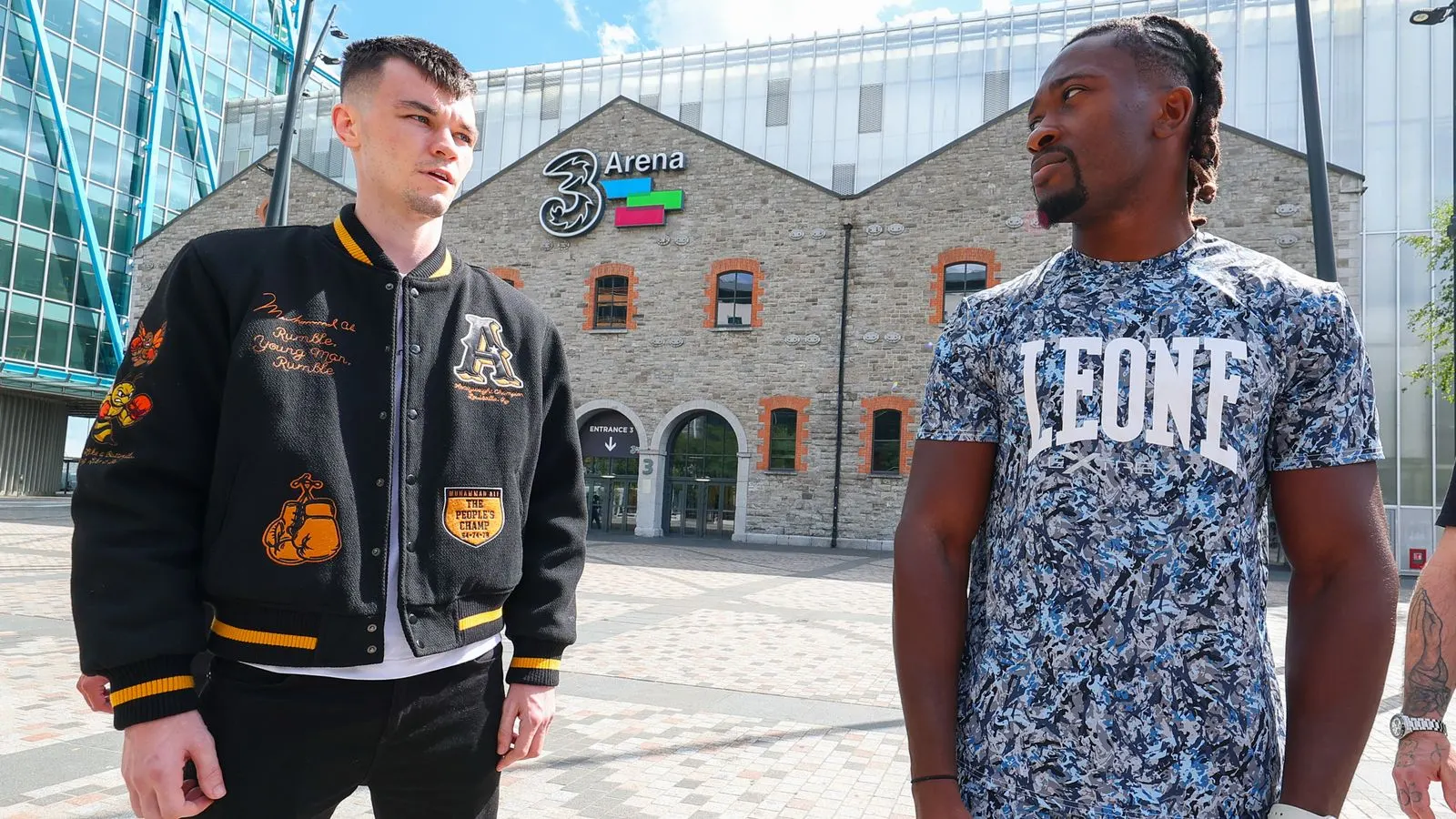
Aaron McKenna is set to fight for the IBF middleweight title, aiming for bigger challenges ahead.

The Minecraft content creator is pulling back from regular streaming, and the reasons behind it are more straightforward than the rumor mill suggests.

Defense Secretary Pete Hegseth's testosterone therapy plan raises concerns about its effectiveness and safety for service members.
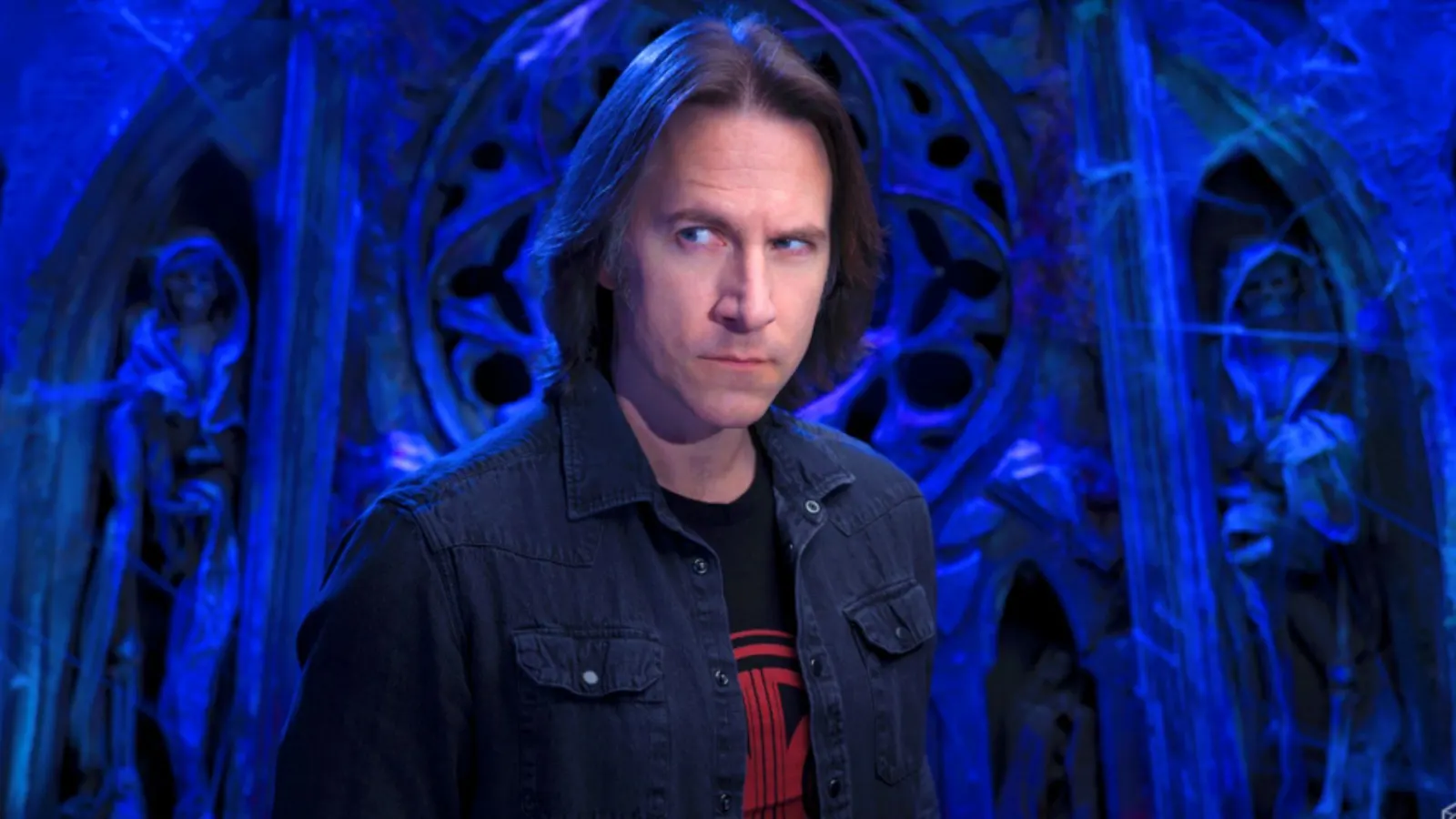
Matt Mercer, known for Critical Role, is set to voice a new character in Warframe's upcoming Tau expansion, marking a notable collaboration.

Dream has stepped back from active streaming, citing mental health. Here's a plain look at what happened, why it matters, and what comes next.

Dream is taking a break from active streaming to prioritize his mental health, raising questions about what comes next for one of gaming's biggest names.

The 23-year-old Briton beat former world number three Grigor Dimitrov in five sets to reach the last eight at his home Grand Slam.
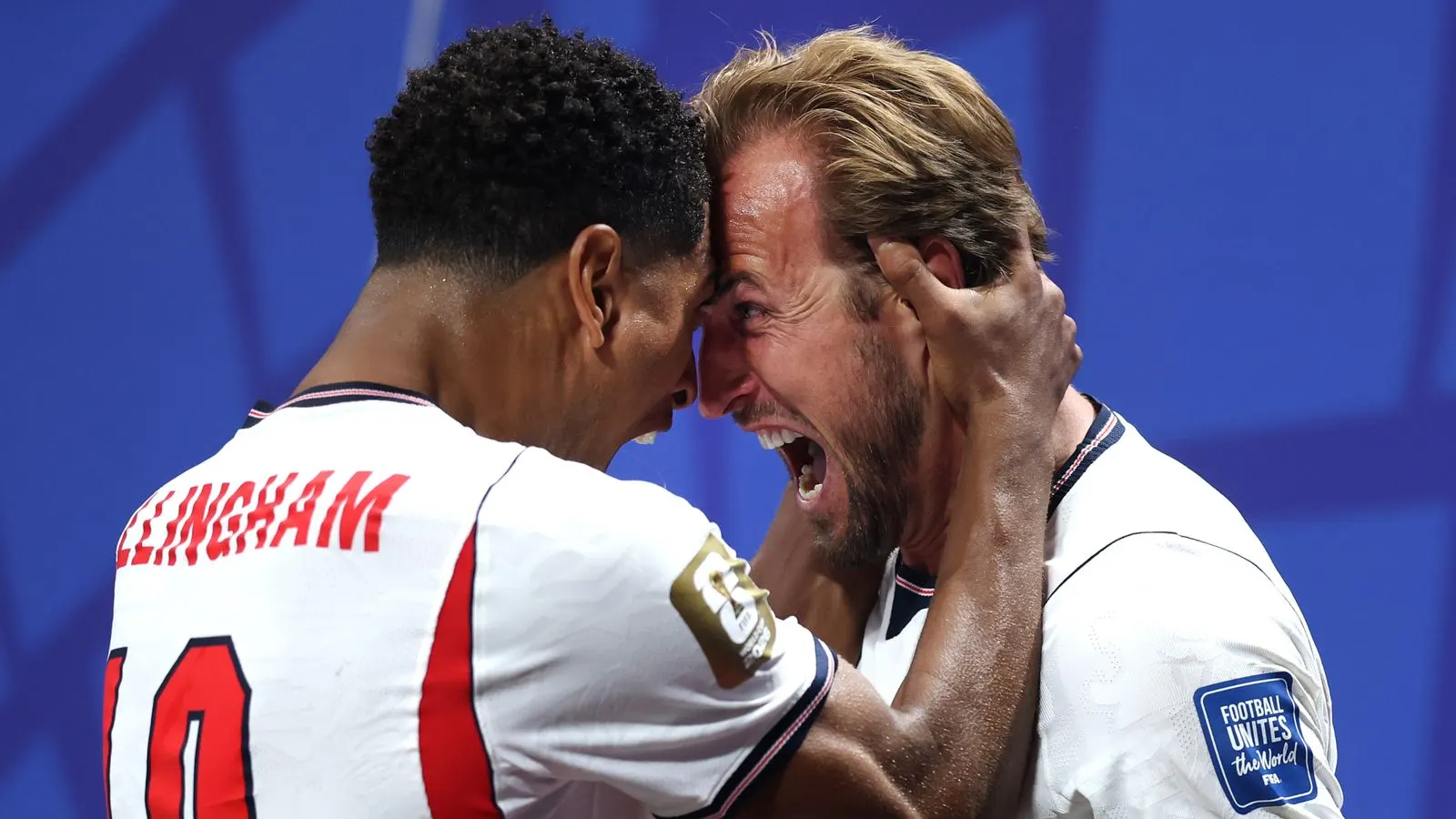
Harry Kane scored twice in the final quarter-hour to give England a nervy 2-1 comeback win over DR Congo in the World Cup round of 32.
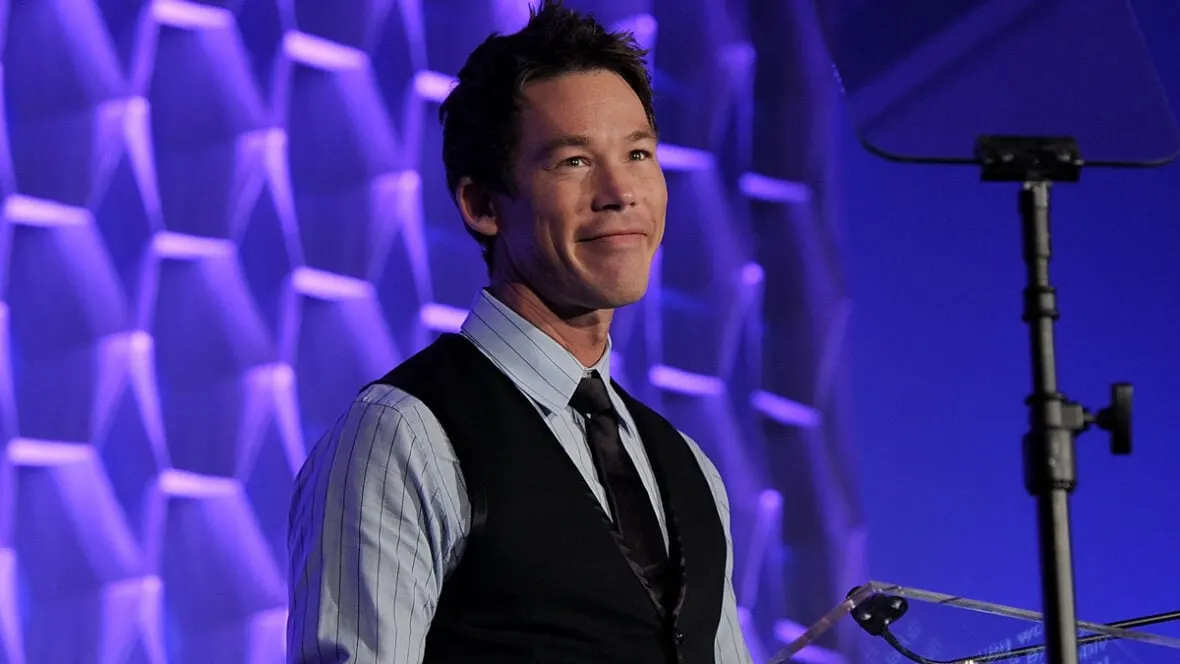
The Minecraft creator says he needs time away from content creation, citing burnout and the toll that years of constant output have taken on him.
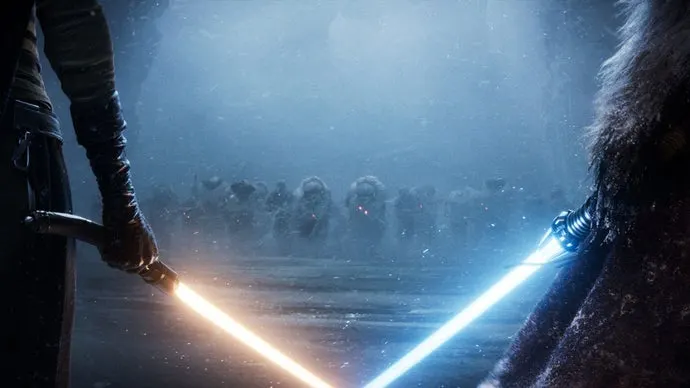
Striking developers at Quantic Dream say the planned layoffs of 115 staff make it impossible to finish Star Wars Eclipse.
FAQ
Dream is best known as YouTuber and Minecraft content creator. Notable work includes Minecraft Manhunt videos, speedruns, Dream SMP, large YouTube following.