George Lucas Reveals He Had Three More Star Wars Films Planned Before Retiring

The filmmaker opened up about setting aside a planned trilogy to instead build the Lucas Museum of Narrative Art in Los Angeles.
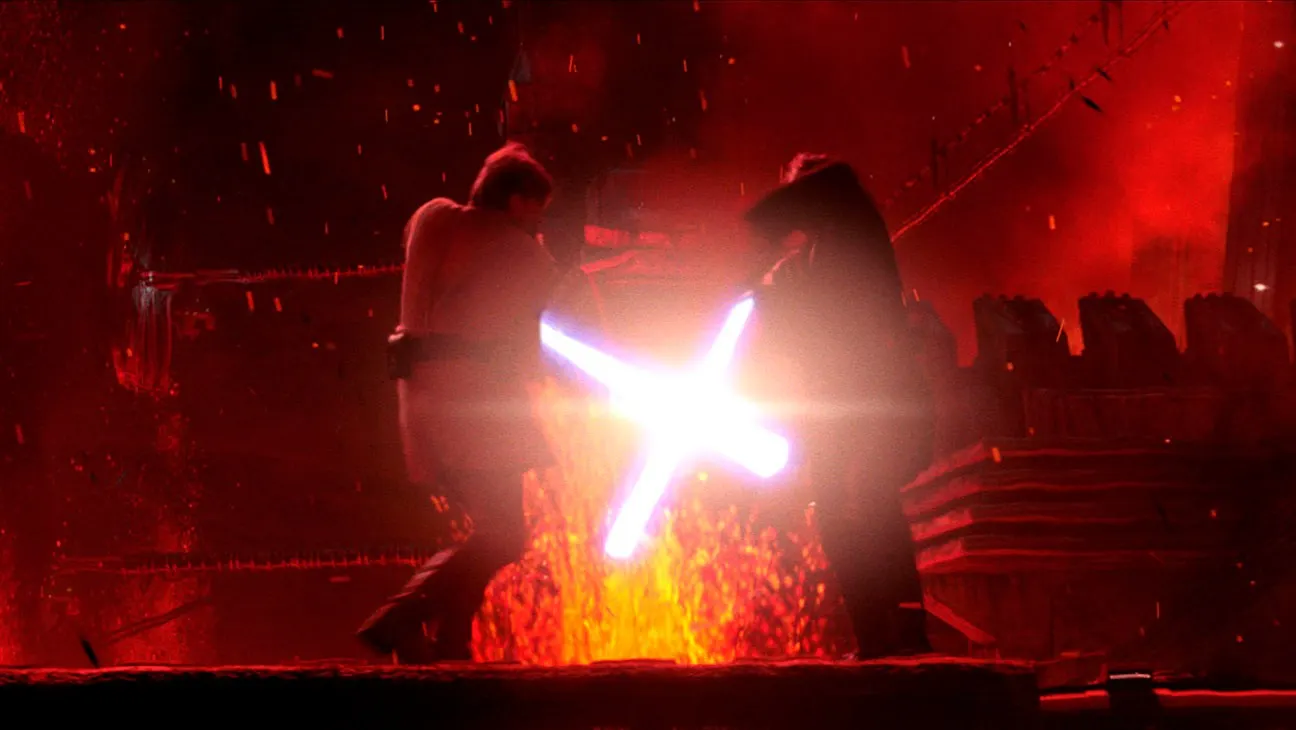
George Lucas has long occupied a singular position in American cinema — the architect of a mythology so pervasive it reshaped the entire film industry. Now, in a candid new interview, the director has confirmed that his departure from filmmaking was a deliberate, if weighty, choice rather than a creative exhaustion, and that three additional Star Wars films existed in his plans before he stepped away.
A Retirement Rooted in a Personal Trade-Off
Appearing on CBS Sunday Morning alongside his wife and business partner Mellody Hobson, Lucas addressed the subject with the measured self-awareness of someone who has genuinely reckoned with the decision. According to The Hollywood Reporter, the conversation arose naturally from Hobson's remark that the extraordinary level of detail Lucas poured into the newly opened Lucas Museum of Narrative Art had "nearly killed him." Lucas, who turned 82 this year, acknowledged the finite nature of time — and then put a finer point on what he had sacrificed to pursue the museum. "I decided to retire from making movies," he explained, "which was a big deal because I had three more Star Wars to make."
The statement carries real weight when considered against his directorial record. Lucas helmed four films in the Star Wars saga: the original 1977 A New Hope, which fundamentally altered the economics and ambitions of Hollywood blockbuster filmmaking, and then the entire prequel trilogy — The Phantom Menace (1999), Attack of the Clones (2002), and Revenge of the Sith (2005). For the intervening original trilogy installments, The Empire Strikes Back and Return of the Jedi, he yielded the director's chair to Irvin Kershner and Richard Marquand respectively, while retaining creative oversight as writer and executive producer.
The Museum as the Final Act
The Lucas Museum of Narrative Art now stands as the defining project of Lucas's post-filmmaking chapter, and by his own admission, it consumed him with an intensity that rivals anything he undertook in production. His reasoning for choosing the museum over a final trilogy speaks to something he has returned to repeatedly in recent years: the belief that art and technology are inseparable disciplines, and that narrative illustration represents a form of visual storytelling that has been chronically undervalued by the cultural establishment.
Hobson reinforced that mission during the museum's star-studded opening night, arguing that Lucas was "driven to create a space that would showcase the brilliant illustrators that he thought were too often overlooked and ignored." She playfully pushed back against critics who might dismiss narrative art as lowbrow, noting that the family has no objection to "popcorn movies" — and characterizing the entire institution as "a director's cut." The Lucas Museum has also made meaningful strides in community access, opening its doors free to South Los Angeles neighbors, an initiative that underscores Lucas's broader vision for the space as something genuinely public-facing.
The Galaxy He Left Behind
Of course, the Star Wars universe did not stand still after Lucas's exit. In 2012, he sold Lucasfilm and the franchise to Disney for $4 billion, a transaction that opened the door to the sequel trilogy — The Force Awakens, The Last Jedi, and The Rise of Skywalker — along with a robust slate of television series including The Mandalorian, Andor, and The Acolyte. The theatrical expansion continues with The Mandalorian and Grogu scheduled for 2026, and Star Wars: Starfighter, starring Ryan Gosling, set to arrive next year.
What Lucas's three unrealized films would have looked like remains a matter of speculation. He has spoken in the past about his interest in exploring the microbiotic world of the Force and in pushing the saga in directions that diverged considerably from what Disney ultimately pursued. Whether those ideas constituted a fully formed creative vision or a looser set of intentions, the confirmation that they existed as a concrete plan adds another dimension to one of cinema's most consequential career pivots.
For a filmmaker whose fingerprints are on so much of how modern audiences consume spectacle, the choice to trade a trilogy for a museum is, in its own way, entirely in character — a final act of world-building, just in a different medium.
Related on Ni4o: George Lucas' Museum Opens Its Doors Free to South L.A. Neighbors
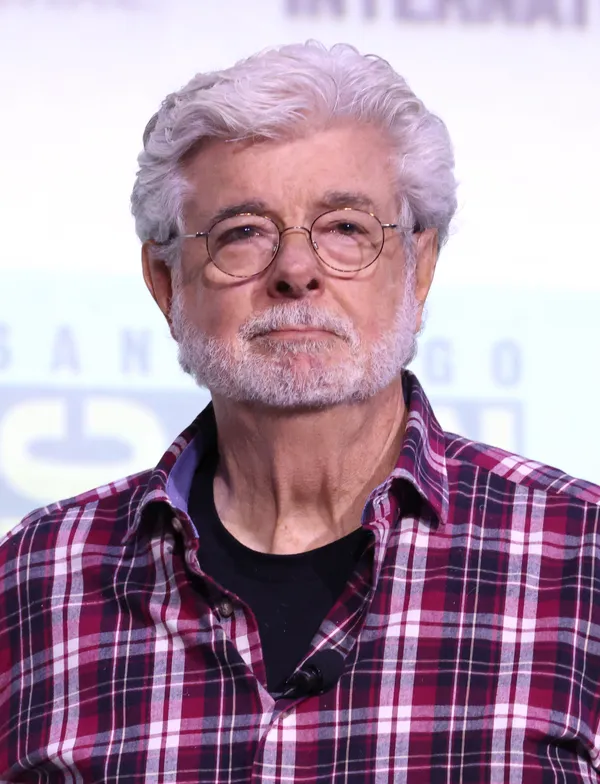 ProfileGeorge LucasFilmmaker & producer
Related
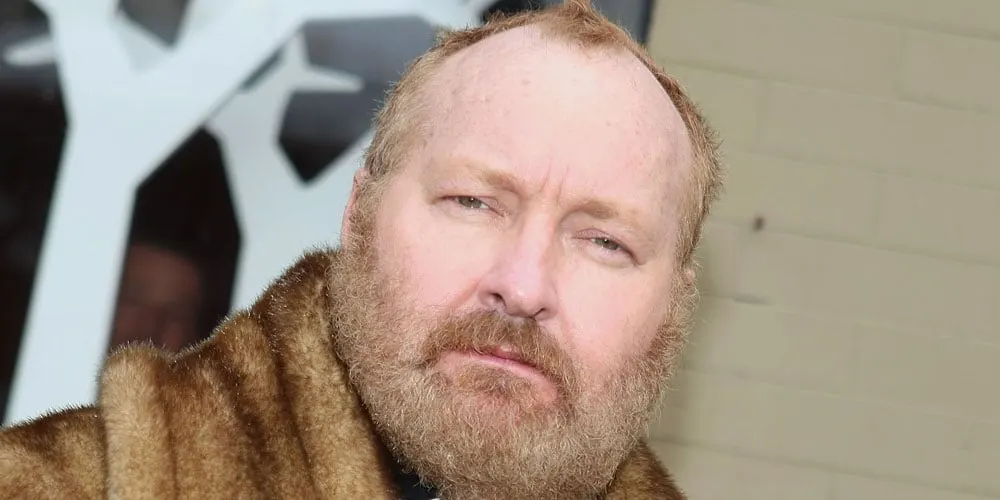
Randy Quaid Slams Anne Hathaway Casting in Days of Thunder Sequel
Randy Quaid, who appeared in the original 1990 film, took to X to demand Nicole Kidman's return and dismiss the Hathaway announcement.

Eva Mendes' 'de Gosling' Tattoo Is the Only One She's Ever Wanted
Eva Mendes is showing off her wrist tattoo again — a small but meaningful piece of ink that carries a deep cultural significance.
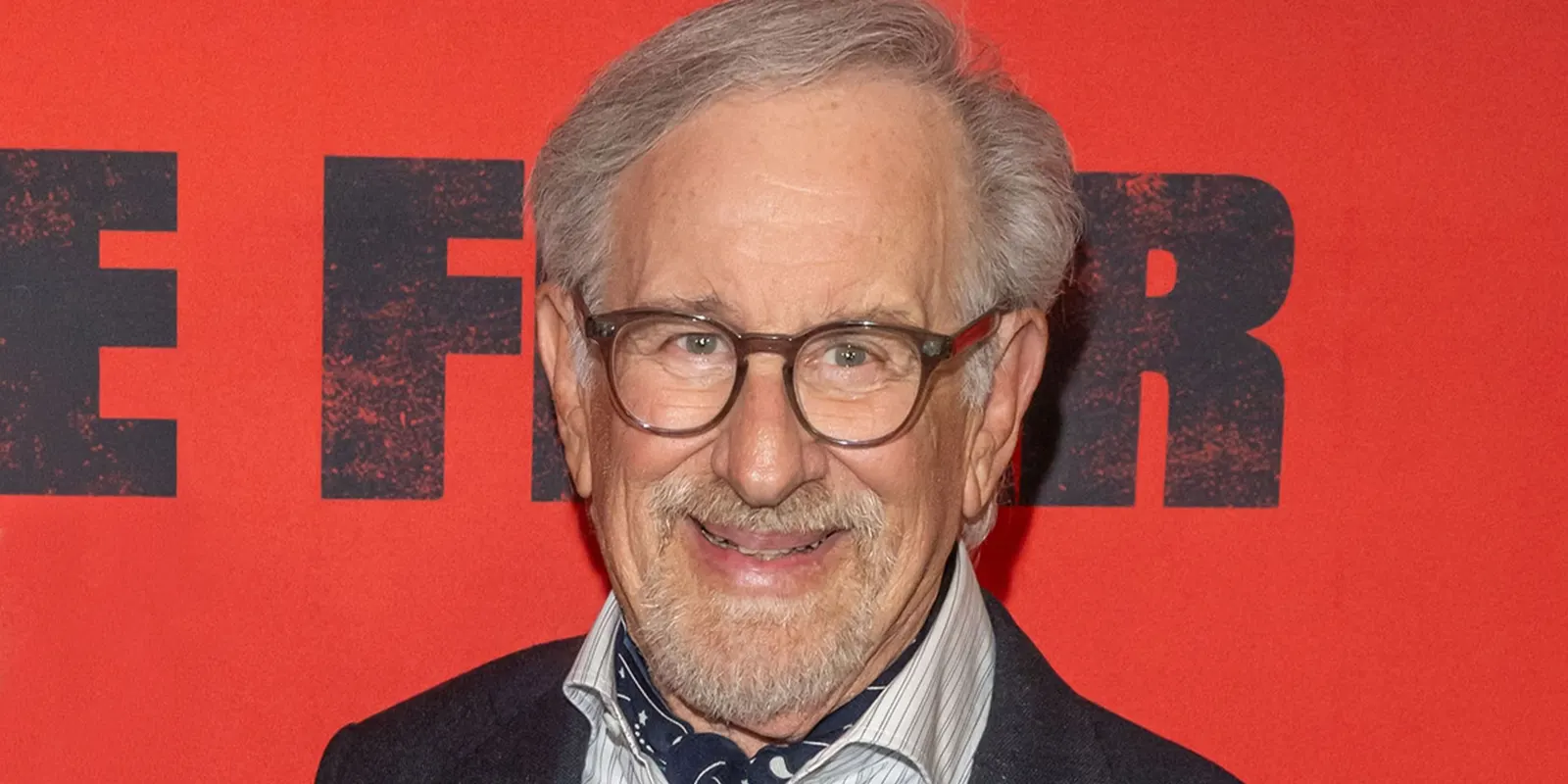
Steven Spielberg's 'War of the Worlds' Returns to Streaming Amid Debate
Steven Spielberg's 'War of the Worlds' is hitting HBO Max next month, reigniting discussions on its mixed reception.