George Lucas: Opening His Narrative Art Museum 'Almost Broke My Will'

After 17 years of effort, George Lucas previewed his long-awaited Lucas Museum of Narrative Art in Los Angeles, calling the journey nearly impossible.
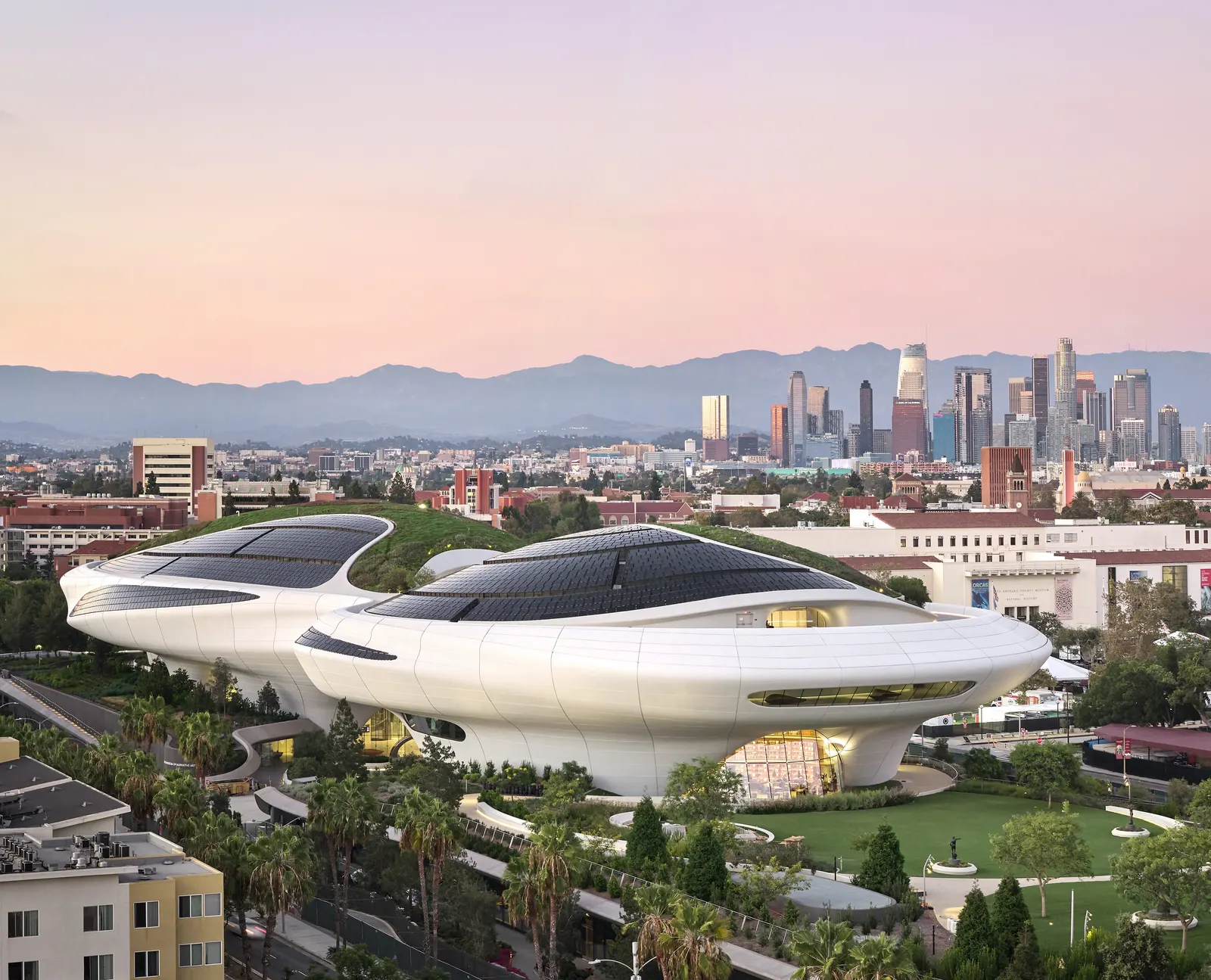
After nearly two decades of persistence, false starts, and what the filmmaker himself describes as a test of his deepest convictions, George Lucas has brought his vision for the Lucas Museum of Narrative Art to the precipice of reality. The 300,000-square-foot institution, set to open to the public on September 22 next to the L.A. Memorial Coliseum, stands as perhaps the most personal monument of Lucas's post-filmmaking life — a culmination of a 17-year effort that, by his own admission, pushed him to his limits.
A Project That Tested Even Lucas's Legendary Resolve
Lucas is no stranger to undertaking the seemingly impossible. The man who self-financed the construction of a galaxy far, far away — and later rebuilt that universe from scratch with digital tools that barely existed — has built a career on defying conventional wisdom. Yet speaking at a media preview of the museum this week, as reported by Variety, even he acknowledged that this particular endeavor demanded something different from him. "Part of the problem is I'm a contrarian," Lucas said. "I'm fascinated by doing things that people say can't be done. This one almost broke my will."
That candor carries weight coming from a filmmaker whose stubborn artistic independence gave us not only the Star Wars saga but also landmark achievements in sound design and visual effects. Lucas, alongside his wife and co-founder Mellody Hobson, has been shepherding the museum concept for 17 years — longer than the gap between Return of the Jedi and The Phantom Menace. The road included failed bids in San Francisco and Chicago before Los Angeles ultimately embraced the project.
What Narrative Art Means — and Why It Matters to Lucas
The museum's central curatorial thesis — that narrative art occupies a space of cultural legitimacy long undervalued by the fine-art establishment — is one Lucas has championed with the same tenacity he once brought to independent filmmaking. The collection spans an unusually wide register: Norman Rockwell's warmly iconic Americana sits alongside works by Frida Kahlo, Diego Rivera, Maxfield Parrish, and Frank Frazetta, accompanied by photography, comic book art, and Western painting and sculpture across more than 30 galleries.
For Lucas, the link between image and story is not merely aesthetic — it is civilizational. "A picture is very powerful, and the stories are very powerful, and you combine them together, and those two elements create a society," he said at the preview. There is something fitting about this philosophy coming from the architect of one of modern mythology's most enduring universes. George Lucas has long been recognized for his contributions to culture at the highest levels, and the museum represents the most sustained intellectual expression of that legacy.
The Space Itself as Artistic Statement
The building, designed by Ma Yansong of MAD Architects in collaboration with Stansec, with landscape architecture by Mia Lehrer, is itself a work of sculptural ambition — a fluid, spaceship-like structure that reads as a physical argument for the fusion of imagination and function. Lucas was careful to credit the team behind the realization: "The great people that we've assembled to do this have been a big advantage," he said, acknowledging that a project of this scope is necessarily a collaborative act.
Among the highlights for film enthusiasts is a gallery of life-sized props from the Star Wars films, offering visitors a tactile encounter with objects that once existed only on screen or in the imagination. It is a reminder that narrative art, at its most potent, blurs the boundary between story and the physical world — which is, in a sense, what Lucas has spent his entire career doing. Notably, the museum has already made headlines for its commitment to accessibility in the surrounding community, a detail that underscores the institution's broader ambitions beyond prestige.
A Legacy Cast in Stone — and Narrative
With the Lucas Museum of Narrative Art opening its doors this fall, what was once an idea dismissed by skeptics in multiple cities will become a permanent fixture of the Los Angeles cultural landscape. For a filmmaker whose entire biography reads as a study in creative perseverance, the museum may ultimately stand as his most enduring work — one that, unlike a film, invites visitors to step inside the argument itself. "It's taken so long to get here," Lucas said. After 17 years, few would dispute that.
Related on Ni4o: George Lucas' Museum Opens Its Doors Free to South L.A. Neighbors
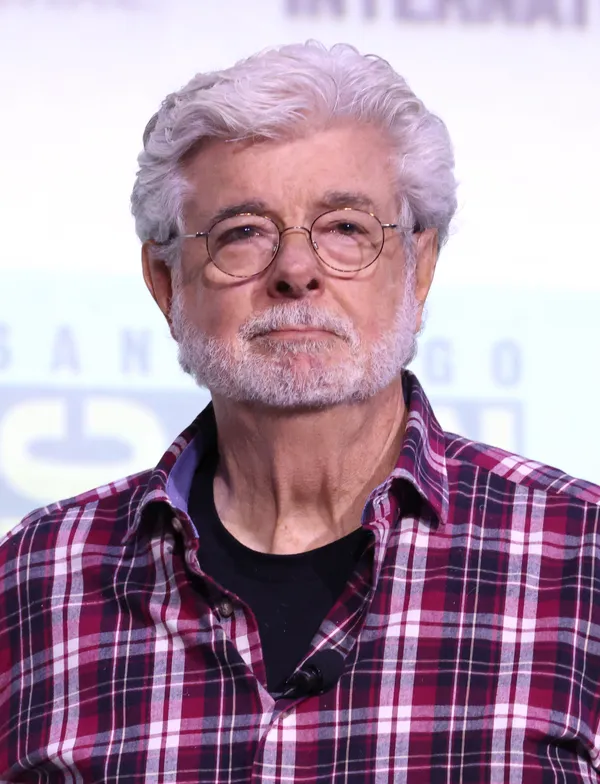 ProfileGeorge LucasFilmmaker & producer
Related
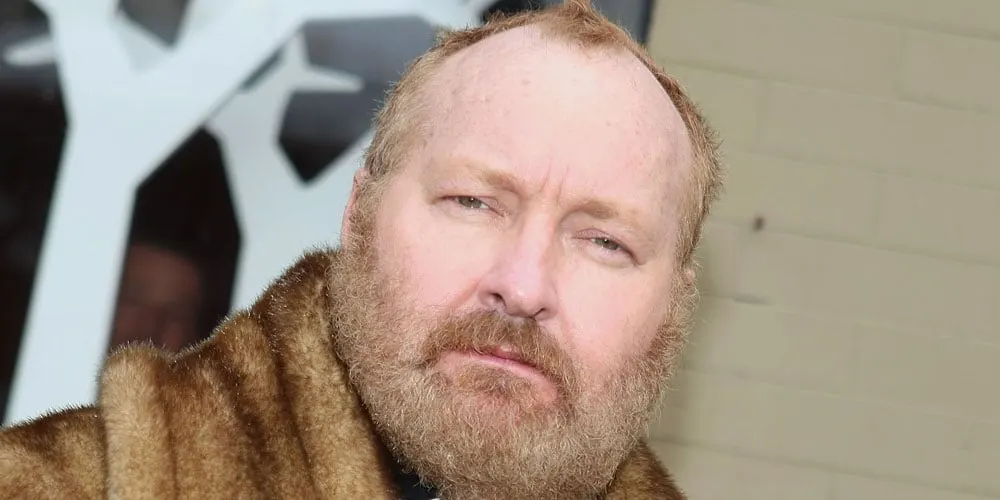
Randy Quaid Slams Anne Hathaway Casting in Days of Thunder Sequel
Randy Quaid, who appeared in the original 1990 film, took to X to demand Nicole Kidman's return and dismiss the Hathaway announcement.
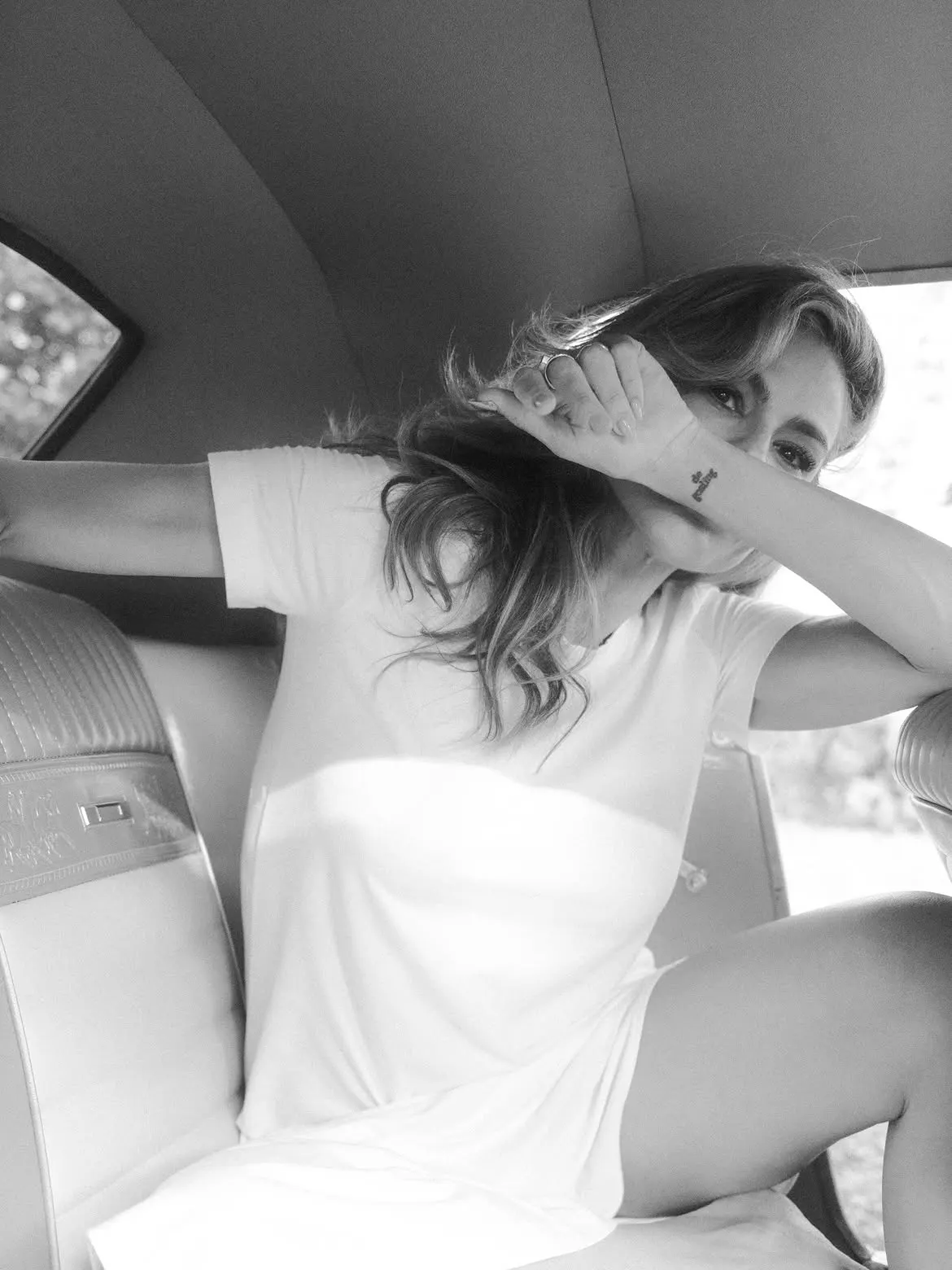
Eva Mendes' 'de Gosling' Tattoo Is the Only One She's Ever Wanted
Eva Mendes is showing off her wrist tattoo again — a small but meaningful piece of ink that carries a deep cultural significance.
Steven Spielberg's 'War of the Worlds' Returns to Streaming Amid Debate
Steven Spielberg's 'War of the Worlds' is hitting HBO Max next month, reigniting discussions on its mixed reception.