George Lucas' Museum Opens Its Doors Free to South L.A. Neighbors

The Lucas Museum of Narrative Art will offer free annual passes to residents of its surrounding low-income ZIP code ahead of its September 22 debut.
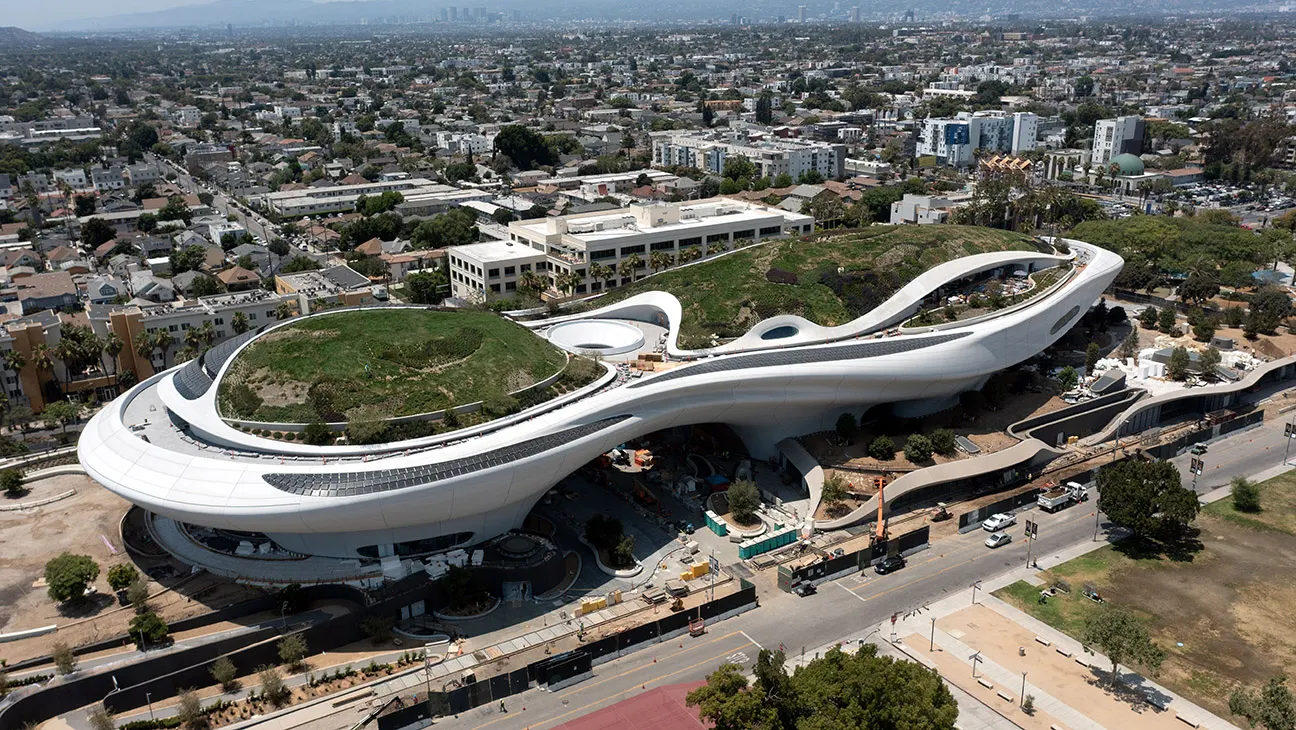
When George Lucas spent decades building a mythology around a galaxy far, far away, few could have predicted that the most grounded expression of his legacy would be a museum planted firmly in one of Los Angeles' most economically challenged communities. The Lucas Museum of Narrative Art, set to open its doors to the general public on September 22, has announced a meaningful community initiative: free annual passes and early-access previews for residents of the South L.A. 90037 ZIP code where the institution is situated.
A Billion-Dollar Institution With a Community-First Mission
The museum — a $1 billion, 300,000-square-foot landmark developed by Lucas and his partner Mellody Hobson — has been under construction for roughly eight years, its distinctive futuristic silhouette slowly taking shape along the northern boundary of Exposition Park. According to The Hollywood Reporter, the building now houses more than 1,300 objects drawn from a sweeping range of visual storytelling traditions, while its campus encompasses 11 acres of landscaped grounds designed by the celebrated landscape architect Mia Lehrer, whose portfolio also includes SoFi Stadium. The architecture itself, conceived by Ma Yansong, reads almost like a living argument for the power of cinematic imagination made physical.
Museum CEO Tracey Bates articulated the intention behind the community access program with admirable clarity: the neighbors who watched this structure rise from nothing over nearly a decade deserve to be among the first inside. The renewable pass program allows holders to reserve a pair of tickets, offering meaningful and recurring access rather than a single token gesture.
Who Lives in 90037 — and Why It Matters
Census data paints a vivid picture of the museum's immediate surroundings. The 90037 ZIP code, spanning just three square miles, is home to more than 17,000 households. It is a predominantly Hispanic and African American community in which approximately one in four residents lives below the poverty line. Cultural institutions of this scale and ambition rarely plant themselves in neighborhoods like this one — and rarer still is the deliberate, structural effort to ensure those neighbors can actually participate in what's being offered. The Exposition Park setting already hosts the California Science Center and the L.A. County Natural History Museum, but the Lucas Museum's free-access initiative sets a notable precedent for how legacy-scale philanthropy can be made locally accountable.
Bates framed the landscaped grounds in particularly inclusive terms, describing them as something like an extended backyard for the surrounding community — a public space meant to invite ongoing visits rather than occasional, self-conscious pilgrimages.
What the Collection Holds
The museum's holdings are as eclectic as Lucas's own cinephile and pop-culture sensibilities might suggest. The collection retains the original Lucasfilm archives — materials Lucas held back when he sold the company to Disney in 2012 for $4 billion — alongside works by Norman Rockwell, Jack Kirby, Robert Crumb, Frida Kahlo, and the locally revered muralist Judith Baca, whose monumental chronicle of Los Angeles history stretches along the San Fernando Valley's stretch of the L.A. River. The breadth of the collection reflects the museum's foundational thesis: that narrative art, whether expressed through a Hollywood blockbuster, a comic book panel, or a community mural, deserves the same institutional seriousness afforded to traditional fine art.
It's the kind of curatorial vision that could resonate with filmmakers and storytellers across the industry — not unlike how J.J. Abrams has spoken about the craft and ambition behind large-scale productions as something that transcends commerce.
L.A.'s Shifting Cultural Landscape
The Lucas Museum's arrival positions it within a notably active moment for Los Angeles cultural infrastructure. LACMA's David Geffen Galleries made a high-profile debut in April, while the La Brea Tar Pits and Museum has shuttered for extensive renovations. The city's institutional map is being redrawn in real time, and the Lucas Museum's scale and collection depth ensures it will be a defining feature of that new landscape.
For a filmmaker whose career reshaped popular storytelling — and whose cultural footprint continues to expand in unexpected directions — the museum represents something more personal than a vanity project. It is, in many ways, his most ambitious act of world-building yet: one that, for once, is designed to include the neighborhood around it.
Related on Ni4o: Hugh Jackman's 'The Sheep Detectives' Becomes a Prime Video Hit · Priyanka Chopra "Shocked" by The Bluff Success, Updates Varanasi
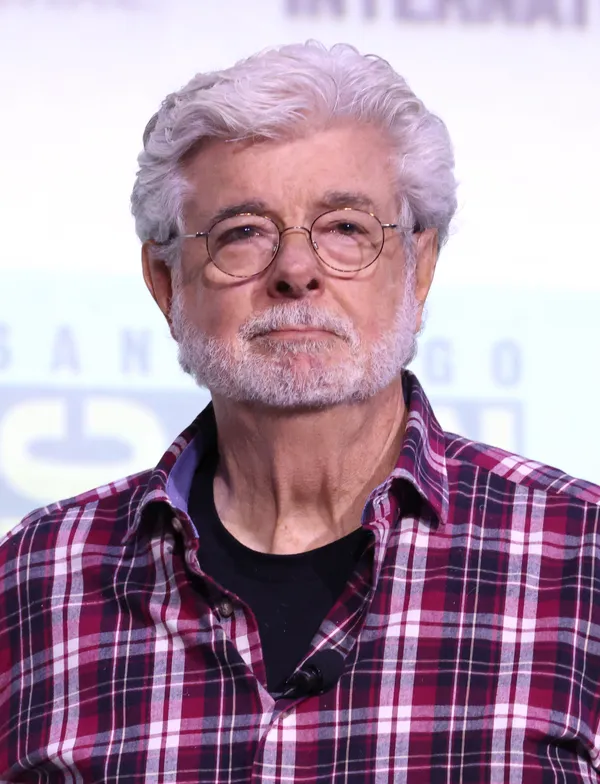 ProfileGeorge LucasFilmmaker & producer
Related
Randy Quaid Slams Anne Hathaway Casting in Days of Thunder Sequel
Randy Quaid, who appeared in the original 1990 film, took to X to demand Nicole Kidman's return and dismiss the Hathaway announcement.

Eva Mendes' 'de Gosling' Tattoo Is the Only One She's Ever Wanted
Eva Mendes is showing off her wrist tattoo again — a small but meaningful piece of ink that carries a deep cultural significance.
Steven Spielberg's 'War of the Worlds' Returns to Streaming Amid Debate
Steven Spielberg's 'War of the Worlds' is hitting HBO Max next month, reigniting discussions on its mixed reception.