Eight Years On, Marvel Finally Charts a New Course for the Guardians

With Marvel Zombies: The Last Guardian announced for 2029, the MCU takes its first real step toward a post-Gunn future for its cosmic ensemble.
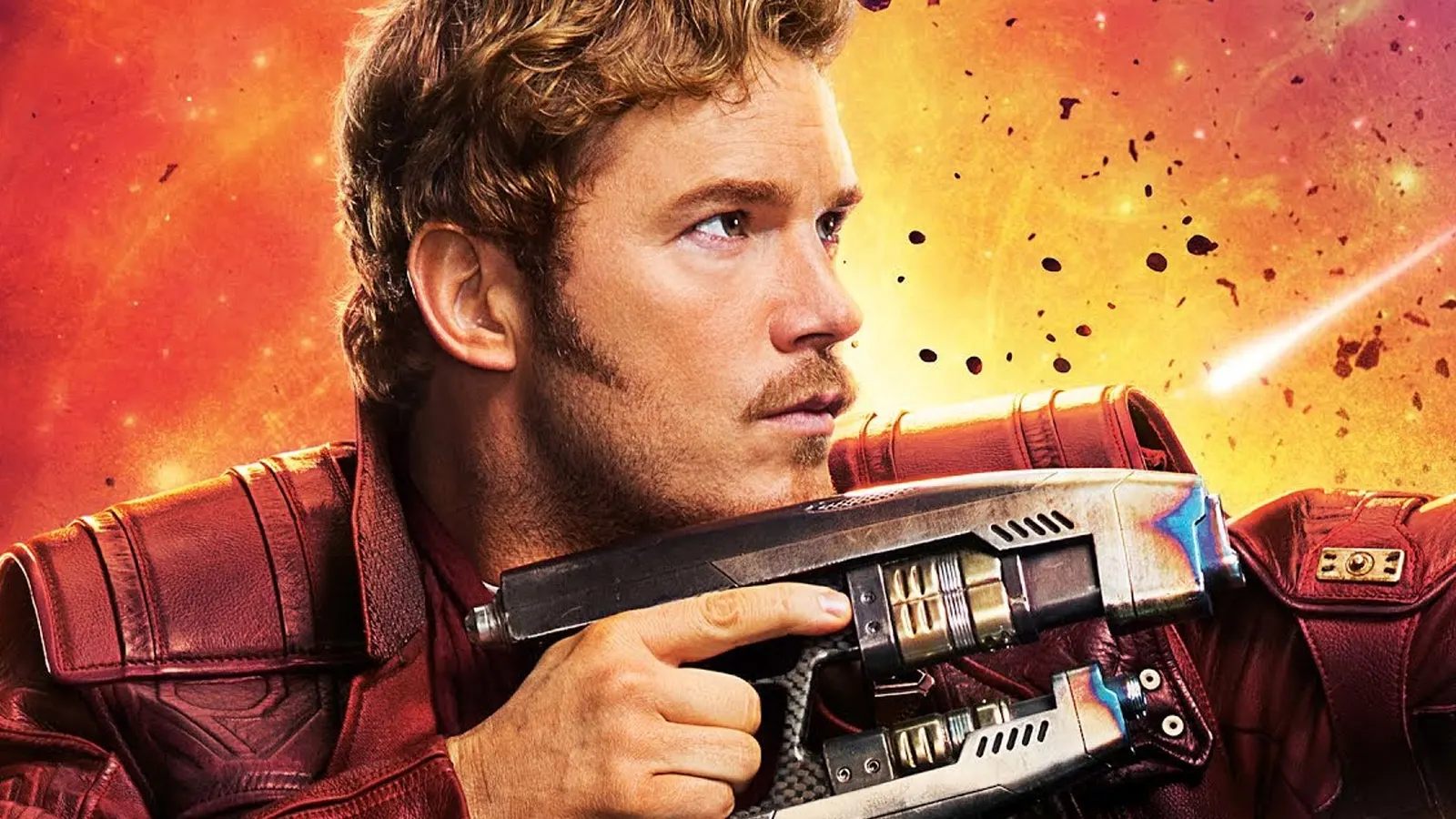
Eight years is a long time in franchise filmmaking — long enough for entire cinematic universes to rise and collapse, for creative voices to depart and leave behind questions that studios struggle to answer. For Marvel Studios, the question of what to do with the Guardians of the Galaxy in the absence of James Gunn has lingered since his initial firing in 2018, and only now, according to ScreenRant, does something resembling a concrete answer appear to be taking shape.
A Surprising Announcement at New York Comic Con
At New York Comic Con 2026, Marvel unveiled Marvel Zombies: The Last Guardian, one of three Halloween-themed Disney+ animated specials planned across the next three years, with this entry scheduled for 2029. The title itself carries deliberate visual signals — the font used in the subtitle mirrors the branding of Gunn's MCU trilogy directly, a choice that communicates franchise continuity even within what is ostensibly an alternate-universe horror premise. The identity of the surviving Guardian remains undisclosed, which Marvel appears to be treating as a meaningful piece of pre-release intrigue rather than an oversight.
Why This Matters Beyond the Obvious
To understand the significance of this project, it helps to consider what it's replacing. I Am Groot season two continued the broader Guardians brand in animated form, but it did so quietly, without the weight of a proper franchise statement. The Last Guardian carries considerably more profile, and it represents — in a meaningful if indirect way — the first Guardians-adjacent project developed entirely outside of Gunn's creative orbit for a mainstream audience. The man himself has moved on to lead DC Studios, where the ambition and scale of his work continues to command serious attention; Jennifer Holland has already called the upcoming Man of Tomorrow potentially the best work Gunn has ever produced, which sets a considerable benchmark.
What Marvel is left to navigate, then, is how to tell stories about characters whose identity was so thoroughly shaped by one filmmaker's sensibility — his particular fusion of mixtape nostalgia, genuine emotional excavation, and cosmic absurdism — without simply imitating that blueprint or abandoning it so completely that the characters feel unrecognizable.
The Zombie Framework as Creative Freedom
A post-apocalyptic zombie alternate universe is, admittedly, an unconventional launchpad for franchise renewal. But there's a reasonable case to be made that the genre's constraints are actually liberating here. By removing the characters from the mainline MCU continuity and placing them in an extreme survival scenario, Marvel's creative team is freed from the obligation to service ongoing plotlines or honor the precise emotional beats of the trilogy. It becomes, in effect, a laboratory.
The question of which Guardian serves as the titular survivor is the special's most compelling unknown. Nebula carries perhaps the richest dramatic potential — a character who spent the better part of a decade defined by her damage before finding something approaching belonging. Groot presents different possibilities, with his unusual biology raising genuinely interesting questions about how a zombie infection would interact with a Flora Colossus. Rocket, given the emotional arc he completed in Vol. 3, is another option, though the more peripheral Guardians might yield the freshest storytelling perspective.
A First Step, Not a Destination
It would be premature to read The Last Guardian as the beginning of a full Guardians renaissance. A Halloween animated special set in a zombie apocalypse is not, by its nature, the foundation of a revived mainline franchise. What it is, more modestly and more usefully, is a test — of tone, of character, of audience appetite. If it resonates, it gives Marvel's creative leadership meaningful data about which corners of this ensemble are worth expanding. If it doesn't, the alternate-universe framing keeps it comfortably contained.
Gunn, meanwhile, continues building something new on the other side of the industry. His current work shaping the DCU's long-term creative direction — from the cosmic infrastructure being constructed in Lanterns to the broader architectural decisions being made at DC Studios — suggests a filmmaker thinking in terms of legacy and continuity. Marvel, in its own quieter way, is finally beginning to think the same thoughts about the franchise he left behind.
Related on Ni4o: James Gunn's Influence on 'Supergirl' Soundtrack Sparks Mixed Reactions
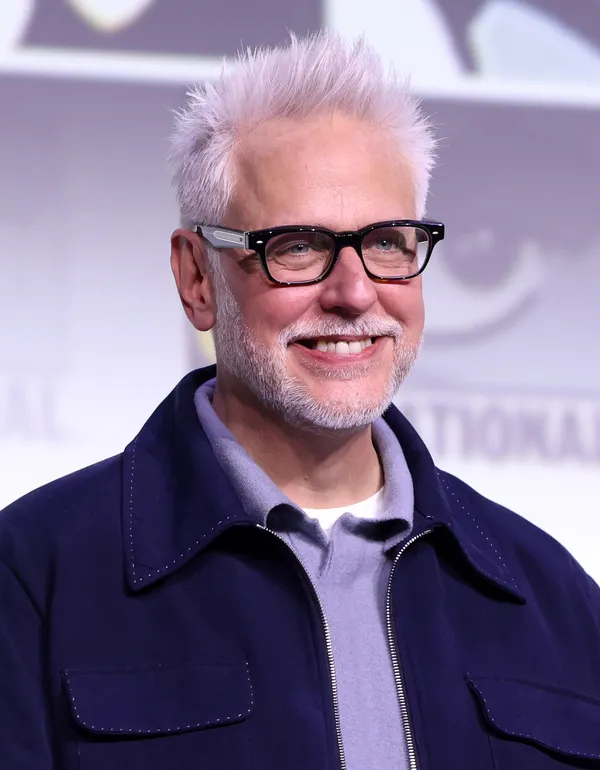 ProfileJames GunnDirector & studio executive
Related
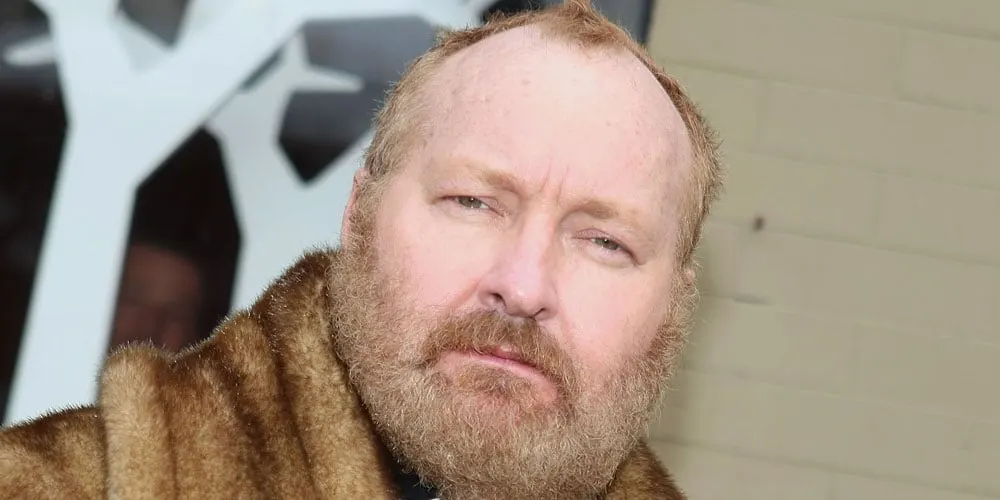
Randy Quaid Slams Anne Hathaway Casting in Days of Thunder Sequel
Randy Quaid, who appeared in the original 1990 film, took to X to demand Nicole Kidman's return and dismiss the Hathaway announcement.

Eva Mendes' 'de Gosling' Tattoo Is the Only One She's Ever Wanted
Eva Mendes is showing off her wrist tattoo again — a small but meaningful piece of ink that carries a deep cultural significance.
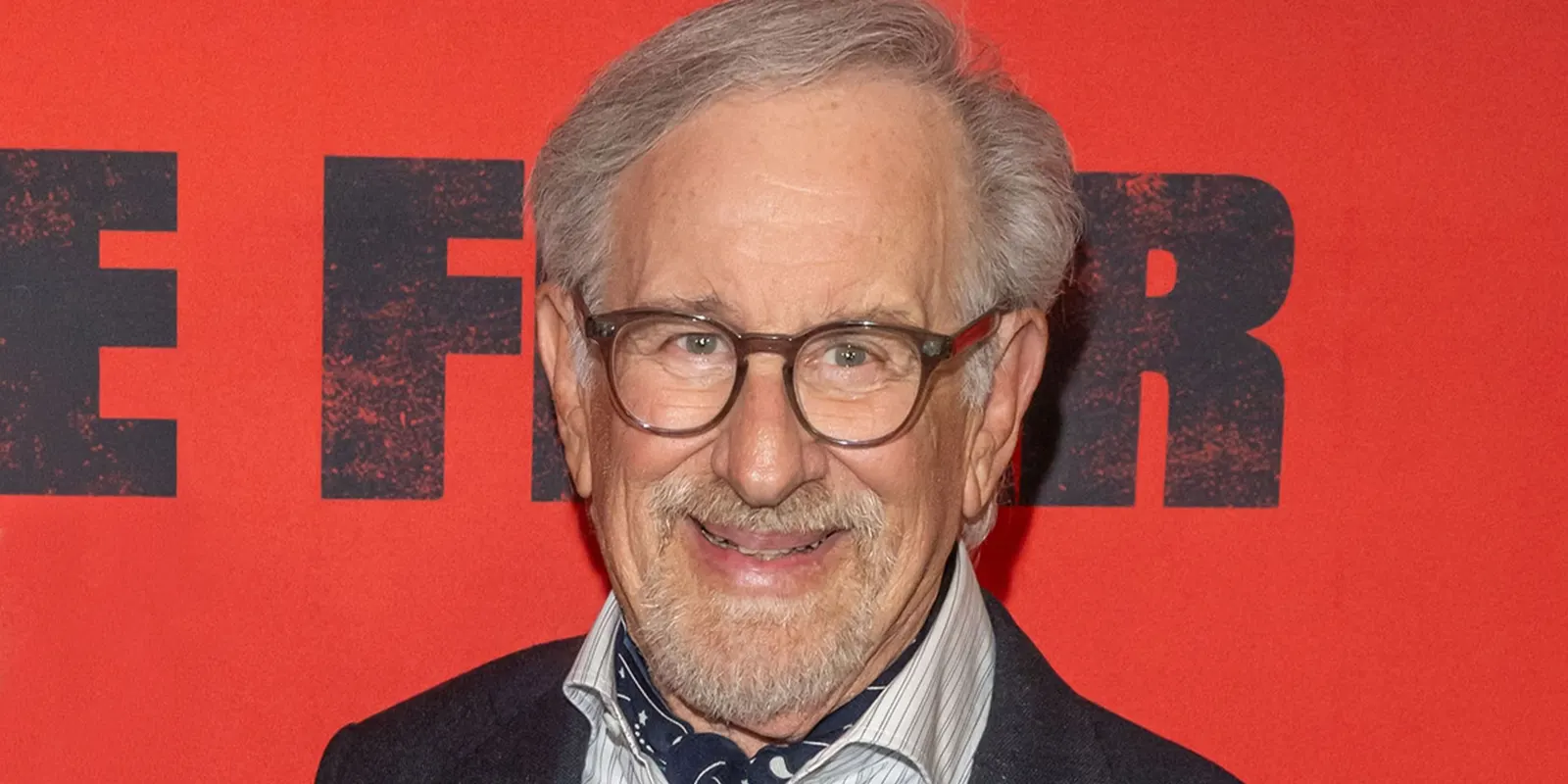
Steven Spielberg's 'War of the Worlds' Returns to Streaming Amid Debate
Steven Spielberg's 'War of the Worlds' is hitting HBO Max next month, reigniting discussions on its mixed reception.