Christopher Nolan's Dark Knight Trilogy, Definitively Ranked

From Batman Begins to The Dark Knight Rises, a considered look at how Nolan's three Batman films stack up against one another — and against cinema itself.
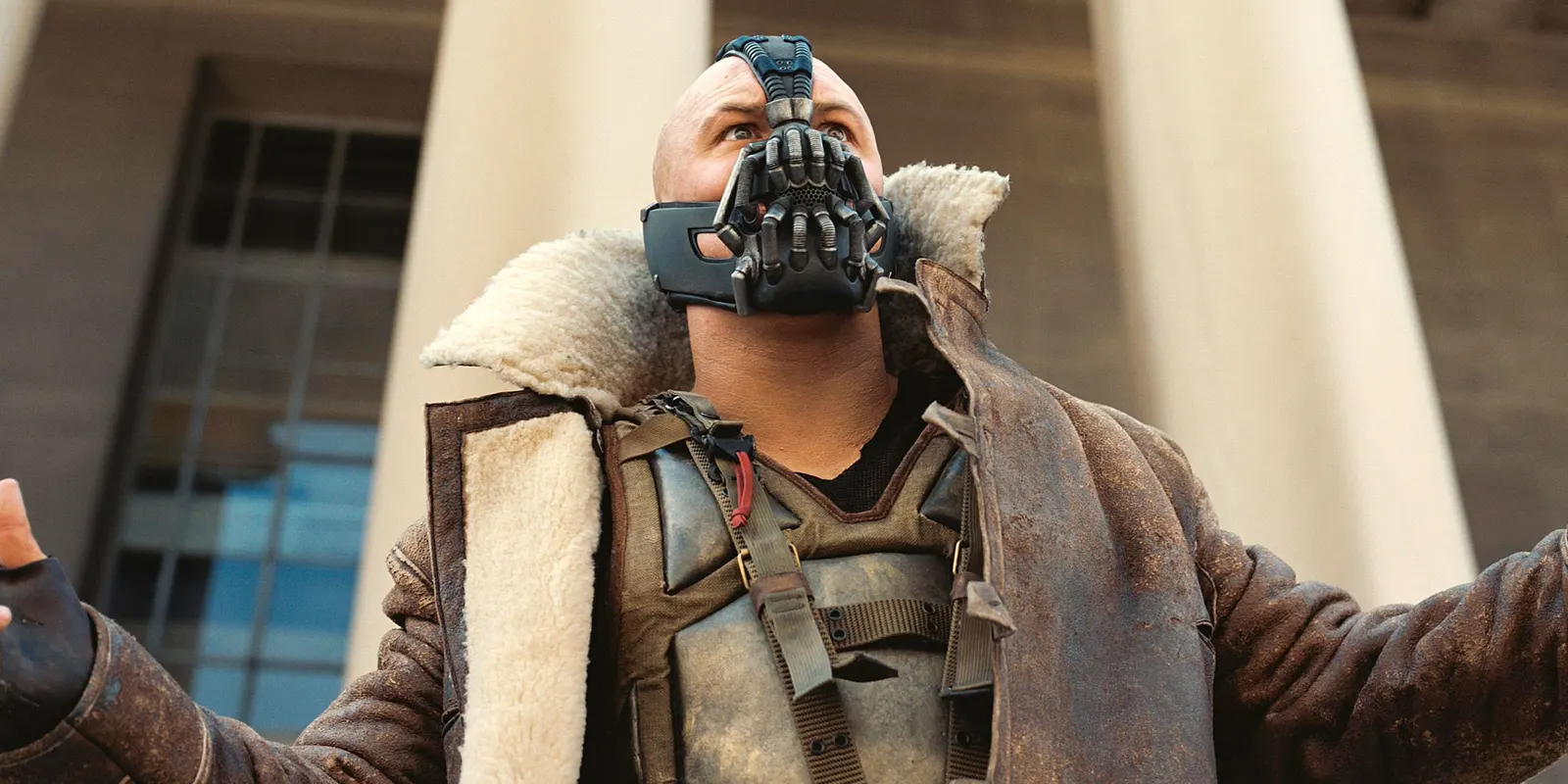
Few franchise reinventions in modern Hollywood history carry as much weight as what Christopher Nolan accomplished between 2005 and 2012, rescuing Batman from the neon-drenched wreckage of the Schumacher era and transforming the character into one of cinema's most compelling figures of the early 21st century. According to Collider, a definitive ranking of all three films illuminates just how remarkable — and uneven — that achievement truly was.
The Studio Gamble That Changed Everything
By the time Warner Bros. began quietly developing a new Batman film in the early 2000s, audience enthusiasm for the Caped Crusader had largely evaporated. The studio considered a number of directors, including Wolfgang Petersen and Darren Aronofsky, before turning to Nolan, whose psychological thrillers Memento and Insomnia had earned him serious critical credibility. It was an unconventional choice that would prove transformative — not just for one franchise, but for the entire commercial landscape of blockbuster filmmaking. For anyone curious about the roots of Nolan's distinctive sensibility, it's worth noting that his forgotten debut feature Following is now free to stream, offering a fascinating early glimpse at the formal preoccupations he would carry into Batman.
Third Place: The Dark Knight Rises (2012)
No one could reasonably call The Dark Knight Rises a failure — it is a genuinely spectacular piece of epic filmmaking — but measured against its predecessors, it falls short in ways that are hard to ignore. The plot strains credulity in several places, and Tom Hardy's voice work beneath the Bane mask, while admirably committed, edges toward parody. The operatic scale, so electrifying in isolation, sits somewhat awkwardly after the grounded precision of the 2008 film. Anne Hathaway's Selina Kyle remains a genuine highlight, bringing a nimble wit and emotional intelligence that anchors some of the film's best scenes. The climactic daylight chase sequence is also visually striking in a way the franchise had never quite attempted — a fitting symbolic punctuation mark on Bruce Wayne's arc. For those interested in how Bane's comic-book origins have since been revisited, Batman: Knightfall offers a portrayal of the character that fans have long awaited.
Second Place: Batman Begins (2005)
What's most striking about Batman Begins in retrospect is how thoroughly it committed to character over spectacle. Nolan withholds the cape and cowl for a full hour of a 140-minute film, spending that time meticulously constructing Bruce Wayne's psychology through a non-linear structure that felt genuinely bold for a summer studio release. Christian Bale's performance across all three films is often undervalued, but his quiet scenes alongside Michael Caine's Alfred give the entire trilogy its emotional center — something the Tim Burton and Joel Schumacher iterations never quite managed. Roger Ebert awarded the film four stars, declaring it the Batman picture he had spent years waiting for. Time has been generous to Batman Begins, and its reputation has only grown as the template it established became clearer in hindsight. It's also a film that Nolan has drawn on philosophically in subsequent work — a throughline visible in how he continues to champion the craft of filmmaking against industry shortcuts.
First Place: The Dark Knight (2008)
There is something close to consensus, earned over nearly two decades, that The Dark Knight represents the apex of superhero cinema as a serious artistic form. It arrived weeks after Iron Man launched the MCU, and together the two films fundamentally altered how Hollywood and audiences understood what comic-book adaptations could be. Heath Ledger's Joker remains among the most discussed performances in contemporary film history — a creation of such psychological density that it permeates every scene, even those from which he is absent. The film has plot demands that require occasional leaps of faith, but the craftsmanship is so commanding that most viewers never pause to question them. Its failure to receive a Best Picture nomination at the Academy Awards remains a sore point for cinephiles and a catalyst for the eventual expansion of that category. Nolan's instinct to trust audiences with moral complexity and tonal darkness is a lesson he has carried forward — one he apparently revisited when responding to early skepticism surrounding The Odyssey.
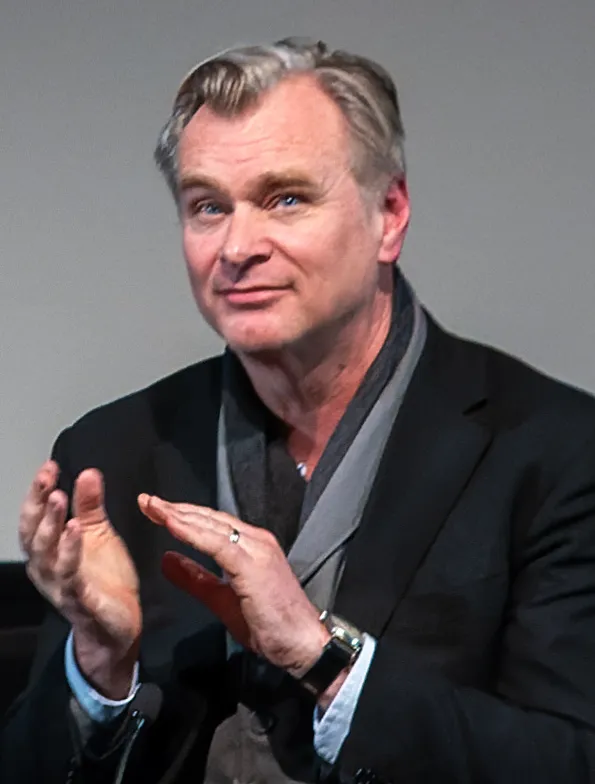 ProfileChristopher NolanFilmmaker
Related
Randy Quaid Slams Anne Hathaway Casting in Days of Thunder Sequel
Randy Quaid, who appeared in the original 1990 film, took to X to demand Nicole Kidman's return and dismiss the Hathaway announcement.

Eva Mendes' 'de Gosling' Tattoo Is the Only One She's Ever Wanted
Eva Mendes is showing off her wrist tattoo again — a small but meaningful piece of ink that carries a deep cultural significance.
Steven Spielberg's 'War of the Worlds' Returns to Streaming Amid Debate
Steven Spielberg's 'War of the Worlds' is hitting HBO Max next month, reigniting discussions on its mixed reception.