Christopher Nolan's 13-Film Canon, Ranked From Debut to Masterpiece

From a black-and-white noir debut shot over fourteen weekends to an Oscar-winning atomic epic, ranking Nolan's filmography reveals a remarkably consistent career.
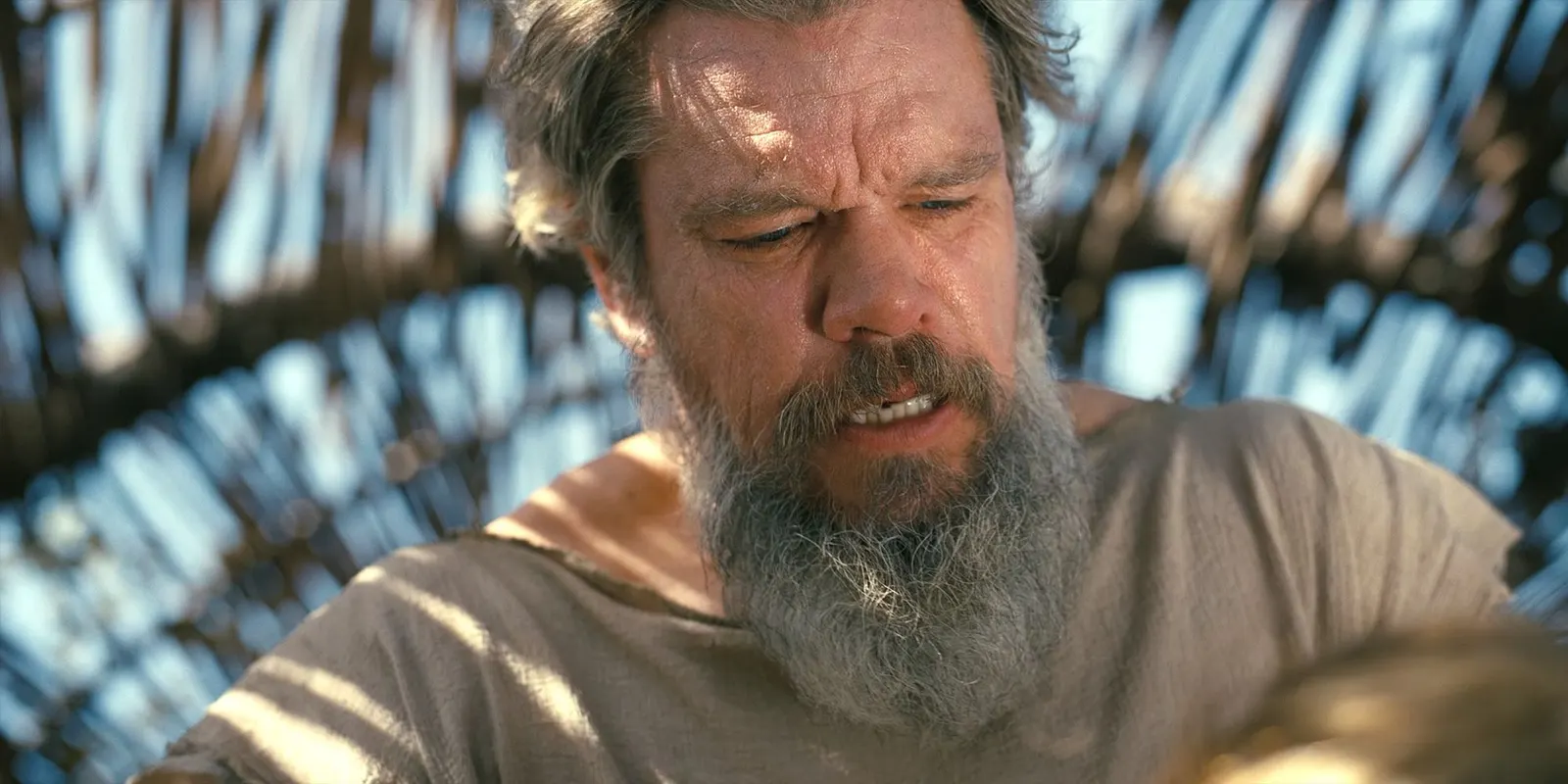
Few directors working today command the kind of devotion that compels audiences to plan cross-city trips months in advance just to see a film projected in its intended format. Christopher Nolan has built that rare loyalty across thirteen features, and according to a comprehensive ranking published by Collider, even the weakest entry in his canon holds up favorably against the broader landscape of contemporary cinema.
A Debut That Announced a Distinctive Voice
Nolan's first feature, Following, rarely receives the attention it deserves, partly because its ambitions are necessarily modest. Shot on 16mm black-and-white film across fourteen weekends — with a schedule designed around the cast and crew's actual day jobs — the 70-minute noir follows an unemployed London writer whose habit of trailing strangers through the city pulls him into a world of petty burglary and moral entanglement. Inspired in part by Nolan's own experience of being burglarized, the film introduced his preoccupation with non-linear structure and unreliable perspective on essentially no budget. It is not his richest character study, but as a statement of intent it remains quietly striking. Following is currently available to stream for free, making it an accessible entry point for anyone tracing the director's evolution from the beginning.
The Overlooked Middle Period
Insomnia, Nolan's 2002 remake of a 1997 Norwegian thriller, occupies an unusual place in his filmography — a film that feels almost deliberately restrained by his later standards. Al Pacino plays a guilt-ridden Los Angeles detective undone by the perpetual daylight of an Alaskan summer while a killer, played with unsettling calm by Robin Williams in one of his most effective dramatic turns, works to exploit that psychological vulnerability. The film derives its tension almost entirely from character psychology and ethical compromise rather than narrative complexity, and it remains one of the cleaner demonstrations of Nolan's ability to build dread through atmosphere alone.
The Trilogy That Redefined a Genre
The Batman films represent Nolan's most culturally transformative work. Batman Begins arrived at a moment when the superhero film was still finding its tonal footing, and its grounded, psychologically credible portrait of Bruce Wayne's origins reset expectations for what the genre could attempt. The Dark Knight built on that foundation to produce something genuinely rare — a blockbuster that functions simultaneously as a crime epic and a philosophical argument. The Dark Knight Rises has perhaps suffered most from proximity to its predecessor, but judged independently it delivers a genuinely ambitious trilogy conclusion, complete with Hans Zimmer's characteristically thunderous scoring. The legacy of Bane as a screen villain continues to generate discussion, a testament to how fully Tom Hardy inhabited the role.
War, Time, and Technical Mastery
Dunkirk stands as perhaps the most formally rigorous film in the entire canon. Its three interlocking timelines — spanning a week on the beach, a single day at sea, and an hour in the air — converge through editing rather than conventional narrative, demanding an audience that is willing to experience rather than simply follow a story. The sound design and Zimmer's metronomic score create sustained tension that few war films have matched through dialogue or conventional dramatic construction.
The Ongoing Conversation
With Oppenheimer delivering Nolan his long-overdue Academy Award and the forthcoming The Odyssey already generating its own anticipation — Tom Holland has spoken about the particular challenges of his first day on set — the director shows no sign of retreating toward safer material. Nolan has also been vocal about his views on the film industry's future, championing emerging filmmakers while expressing skepticism about artificial intelligence's role in cinema. Ranking his films is ultimately an exercise in comparing gradations of excellence — a problem most directors would be fortunate to have.
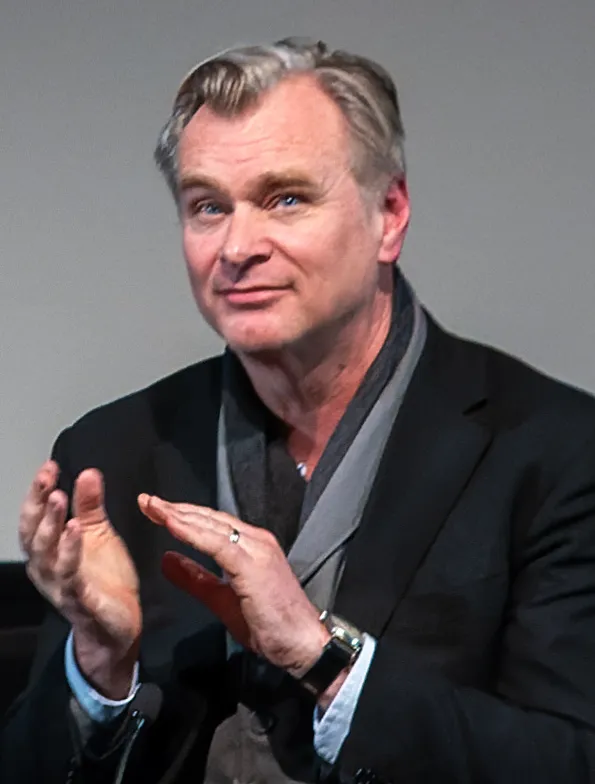 ProfileChristopher NolanFilmmaker
Related
Randy Quaid Slams Anne Hathaway Casting in Days of Thunder Sequel
Randy Quaid, who appeared in the original 1990 film, took to X to demand Nicole Kidman's return and dismiss the Hathaway announcement.

Eva Mendes' 'de Gosling' Tattoo Is the Only One She's Ever Wanted
Eva Mendes is showing off her wrist tattoo again — a small but meaningful piece of ink that carries a deep cultural significance.
Steven Spielberg's 'War of the Worlds' Returns to Streaming Amid Debate
Steven Spielberg's 'War of the Worlds' is hitting HBO Max next month, reigniting discussions on its mixed reception.