CZ Moves to Clear Up 'Misunderstandings' About His Role
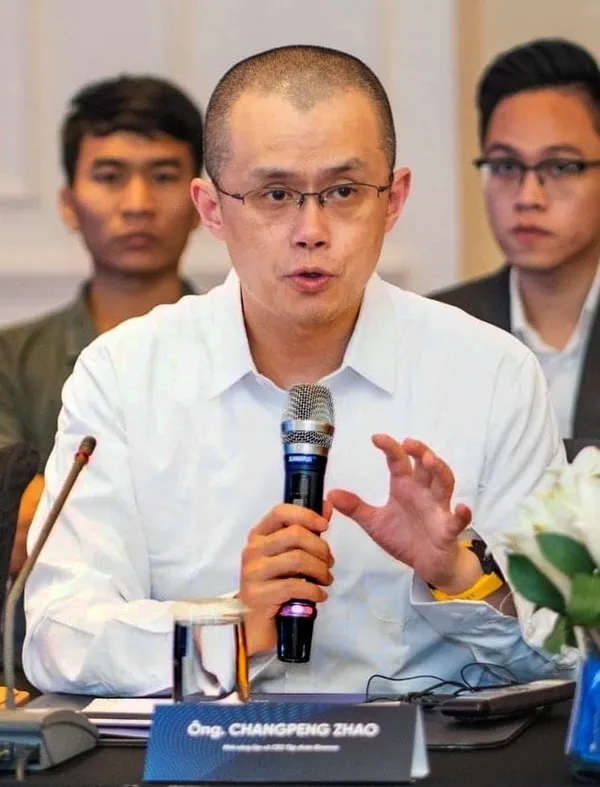
Binance founder Changpeng Zhao says he is the exchange's largest shareholder but does not run it, as he reframes his role and pushes for better US crypto liquidity.

Drawing a Line Between Owner and Operator
Changpeng "CZ" Zhao, the founder of Binance, is mounting a deliberate effort to recast how the public understands both his personal role and the exchange he built. In an interview reported by CoinDesk on June 24, 2026, CZ said there are persistent "misunderstandings" surrounding Binance and himself, and that he intends to correct them by speaking more openly and directly with people.
The distinction he is most eager to make is between ownership and control. "I'm still the single largest shareholder of Binance, but I don't run Binance," he told CoinDesk. That separation carries real weight given his recent history. CZ stepped down as Binance's chief executive in late 2023, served a four-month prison sentence in 2024, and subsequently received a presidential pardon. In the time since, he says, he has deliberately avoided taking on executive positions or board seats, choosing instead to act as an informal adviser to companies in which he has invested.
A Push for Better US Liquidity
A recurring theme throughout CZ's remarks was access, specifically the disadvantages he believes American crypto traders face. He argued that US users are effectively penalized because they cannot reach the deepest pools of liquidity available globally, which means they "pay a much higher price to buy and sell crypto." Thinner liquidity typically translates into wider spreads and worse execution, a structural friction that can quietly erode returns for traders over time.
According to CoinDesk, CZ suggested that conditions for American traders could improve substantially if Binance.US were to coordinate more closely with the global Binance platform. The argument positions tighter cooperation as a benefit to ordinary users rather than simply a commercial advantage for the company.
Key points from the interview include:
- CZ remains the dominant shareholder of both Binance global and Binance.US, yet holds no operational role at either.
- He maintains that the two entities operate independently, each with its own leadership.
- Co-CEO Yi He oversees global operations, and CZ says the two keep professional matters strictly separate.
- He believes leadership of the US business "needs to be somebody local" who is on the ground in the market.
Why It Matters
CZ's renewed public visibility arrives at a moment when the United States is taking a noticeably warmer posture toward digital assets, with a regulatory climate widely seen as friendlier to the industry than in prior years. That shift creates both opportunity and sensitivity for a figure with his legal history.
By repeatedly emphasizing that he is an owner rather than an operator, CZ appears to be threading a careful needle. He is distancing himself from any suggestion of day-to-day control, a posture consistent with his post-pardon stance, while still using his platform to advocate for changes that would clearly benefit Binance and its American affiliate. The balancing act underscores how influential founders can continue shaping the direction of major companies even after formally relinquishing the reins, and how reputation management-dario-amodei-has-just-one-direct-report) has become as central to the crypto industry as the technology itself.
 ProfileChangpeng ZhaoEntrepreneur & Binance founder
Related
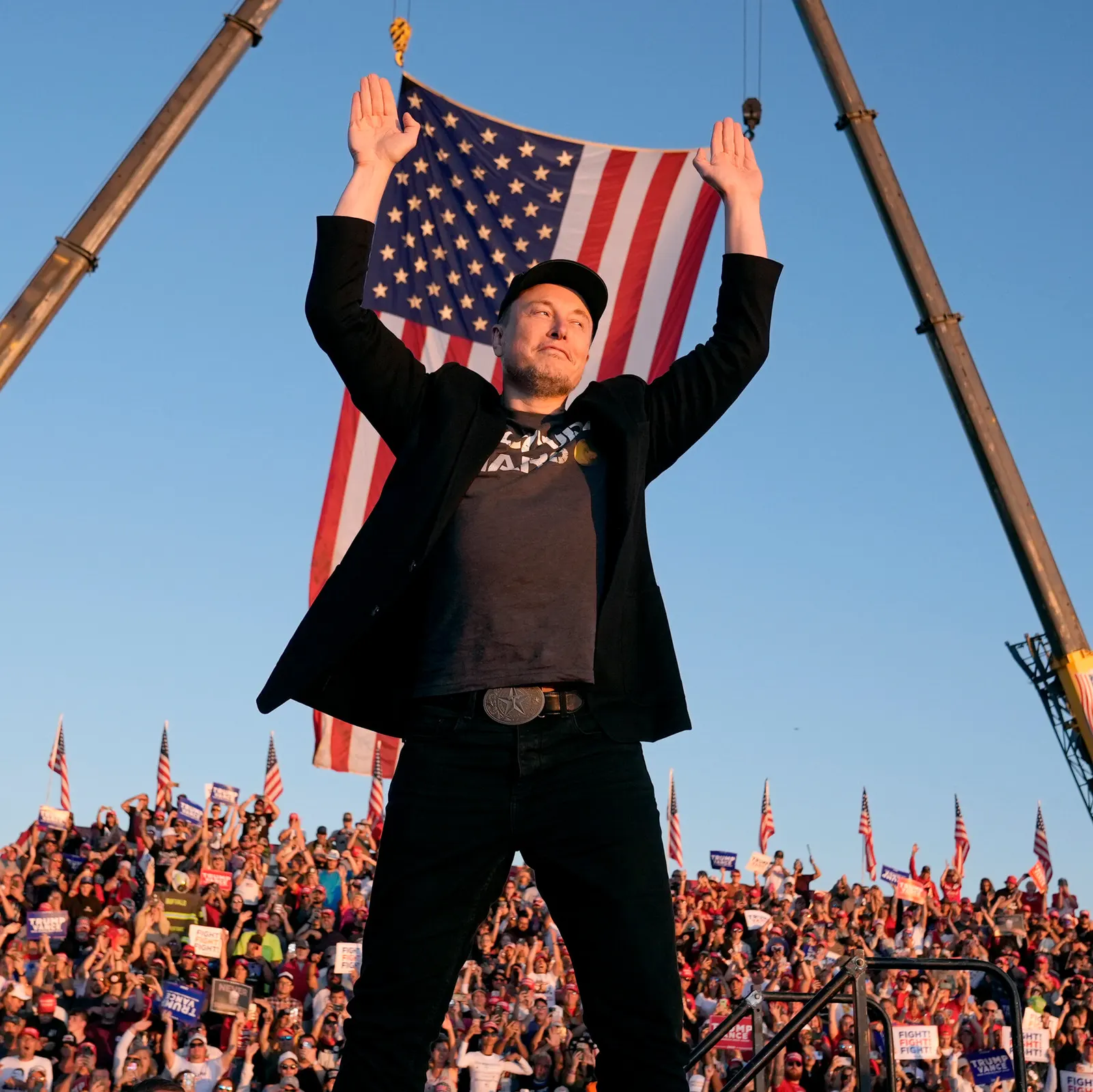
Elon Musk Documentary Among Highlights at Venice Film Festival
The Venice Film Festival features a new section showcasing documentaries, including an anticipated film on Elon Musk.
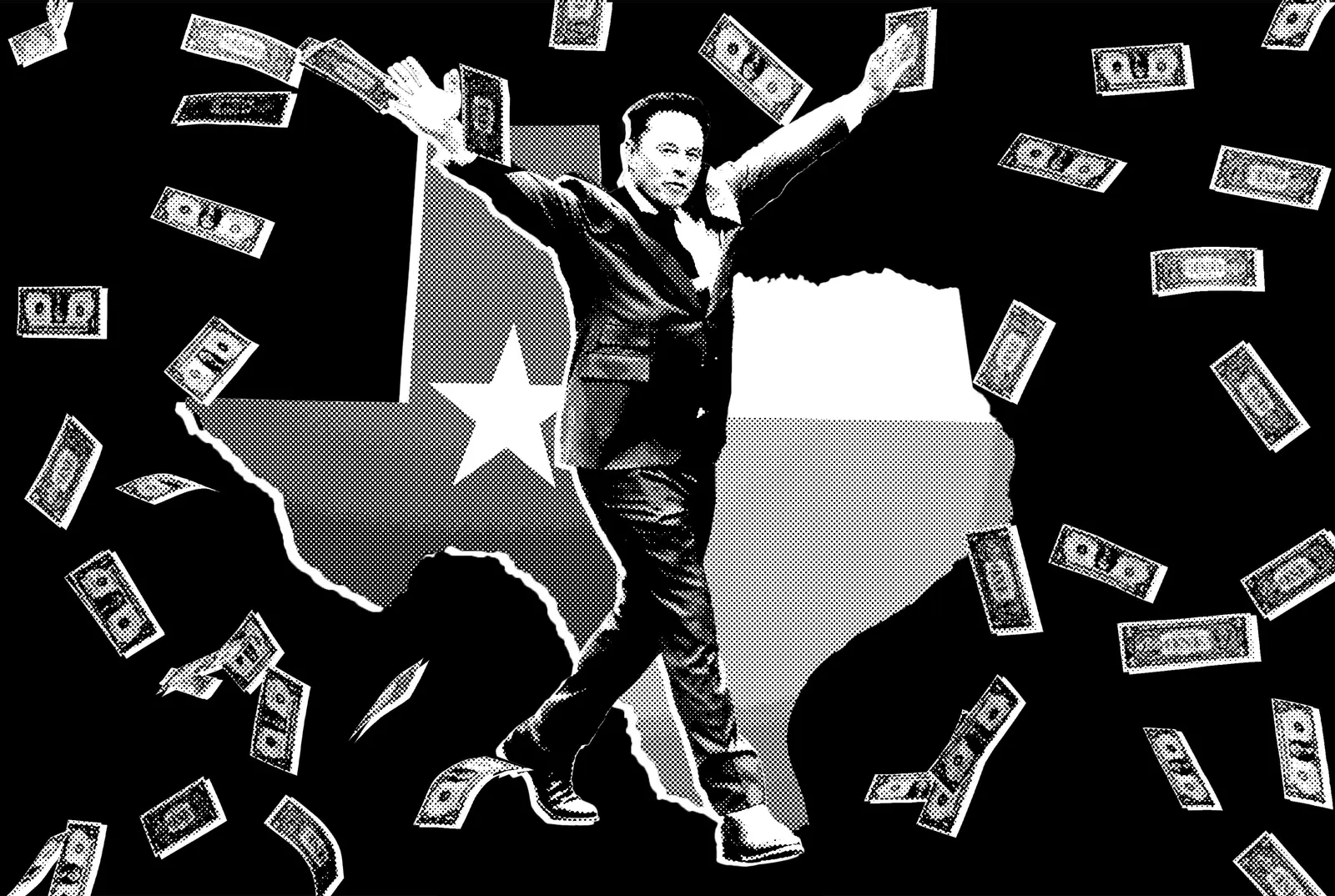
Musk Expected to Pour Up to $200M Into 2026 Midterm Races
Elon Musk is projected to commit between $100 million and $200 million to Republican midterm efforts, with Texas a key focus.

Tesla Prepares for Cybercab Launch Amid Safety Concerns
Tesla is set to unveil its Cybercab, a driverless vehicle pivotal to Elon Musk's vision, but readiness for public roads is questioned.