Ari Emanuel Calls on State AGs to Drop Paramount-Warners Suit

The WME chief and TKO CEO published a Wall Street Journal op-ed defending the $111 billion Paramount–Warner Bros. Discovery deal against antitrust challenges.
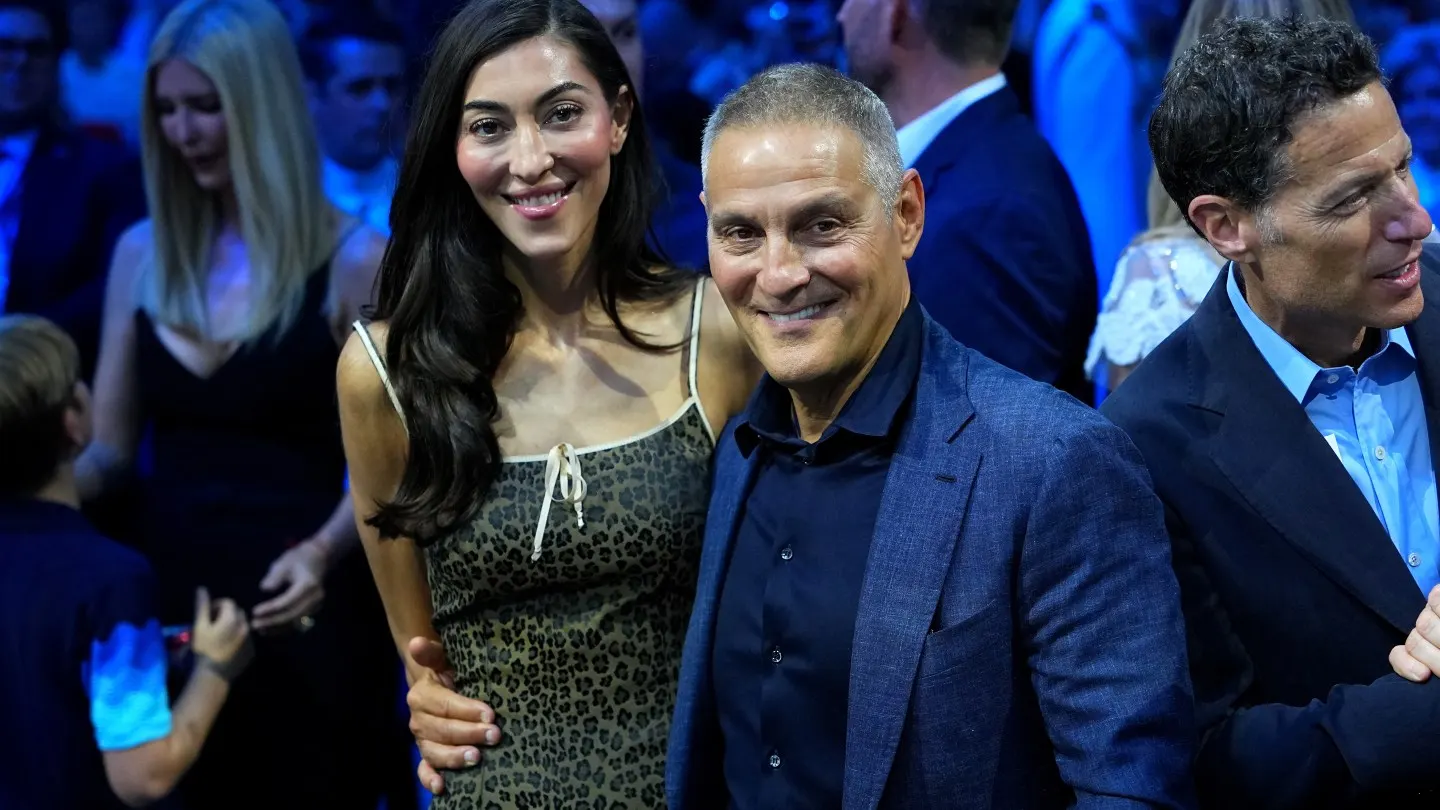
Ari Emanuel, one of the entertainment industry's most influential executives, has stepped publicly into the legal battle surrounding the proposed merger of Paramount and Warner Bros. Discovery, urging state attorneys general to abandon their antitrust case against the $111 billion deal. His intervention, delivered via a Wall Street Journal op-ed published Tuesday, adds significant industry weight to David Ellison's push to consolidate two of Hollywood's largest studios.
Emanuel's Core Argument
Writing in his capacity as executive chairman of WME and CEO of TKO Group Holdings, Emanuel contended that the antitrust lawsuit brought by state officials fails to account for the competitive realities of today's media landscape. He argued the attorneys general are selectively ignoring the dominance of streaming platforms such as Netflix and Amazon in the theatrical and content markets — a blind spot, he wrote, that fatally undermines their case.
Emanuel maintained that every significant business decision in Hollywood — from greenlighting projects to setting marketing budgets and release dates — is made with full awareness of that broader competitive environment. Omitting those players, he argued, does not make them irrelevant; it simply makes the lawsuit misleading.
Political Motivations Called Into Question
Emanuel went further, suggesting the legal challenge may reflect political interference rather than sound antitrust enforcement. He warned that when government officials use competition law to engineer political outcomes, the law itself is corrupted and competition ultimately suffers. According to The Hollywood Reporter, which covered his op-ed, Emanuel called on the attorneys general to drop the case and allow the market to function as intended.
The timing and context of his public stance are notable. Emanuel was seated beside President Donald Trump at a UFC event held at the White House last month — an event at which Ellison was also present. TKO's UFC division signed a $7.7 billion broadcast agreement with Paramount last year, giving Emanuel a direct financial stake in Paramount's stability and future direction.
The Case for the Deal — and Its Limits
Emanuel also addressed the structural condition of the two companies should the merger collapse. He argued that Warner Bros. Discovery, carrying a heavy debt load and facing declining cable revenue, would struggle to remain competitive as a standalone entity. Paramount, he suggested, could survive under Ellison's stewardship but would operate at a reduced scale, limiting its ability to compete with well-capitalized rivals. The logic mirrors broader concerns in media boardrooms about consolidation as a survival strategy — a dynamic seen across industries grappling with disruption, from Amazon's record investment push into new markets to the private equity realignment reshaping sports and entertainment.
A Divided Industry
Emanuel's endorsement, while forceful, does not represent a unified industry position. Earlier this year, a notable group of Hollywood figures — including several WME clients — signed an open letter opposing the merger. The Writers Guild of America has filed its own antitrust suit targeting the deal on monopsony grounds, arguing that a combined entity would have excessive leverage over writers and creators. SAG-AFTRA has also raised concerns, indicating it could oppose the merger unless binding labor protections are incorporated into any final agreement.
Support for the deal does exist among prominent voices. Director James Cameron and AMC Networks CEO Adam Aron have both backed the combination, reflecting the genuinely contested nature of the debate. As courts face increasing scrutiny over how regulatory and legal pressure intersects with major corporate transactions, the Paramount-Warners case may become a defining test of where antitrust enforcement ends and political influence begins.
For now, Emanuel has made his position unambiguous: the deal should proceed, the lawsuit should be withdrawn, and Hollywood's competitive battles should be fought in the marketplace rather than in court.
 ProfileAri EmanuelTalent agent & executive
Related
Elon Musk Documentary Among Highlights at Venice Film Festival
The Venice Film Festival features a new section showcasing documentaries, including an anticipated film on Elon Musk.
Musk Expected to Pour Up to $200M Into 2026 Midterm Races
Elon Musk is projected to commit between $100 million and $200 million to Republican midterm efforts, with Texas a key focus.

Tesla Prepares for Cybercab Launch Amid Safety Concerns
Tesla is set to unveil its Cybercab, a driverless vehicle pivotal to Elon Musk's vision, but readiness for public roads is questioned.