Albanese's Own Electorate Turns on AI Copyright Proposal
Creative workers in Grayndler — where 10% of residents work in cultural fields — are raising alarms over Labor's plan to let AI firms scrape their work by default.
Anthony Albanese holds one of the safest seats in Australian federal politics, but a proposed overhaul of copyright law is generating rare and pointed discontent within his own electorate of Grayndler. The inner-west Sydney seat is home to more than 3,000 cultural and creative businesses, and its concentration of workers employed in the arts is more than double the national average — making the federal government's consideration of relaxed AI data-scraping rules a deeply personal issue for thousands of his constituents.
What the Government Is Considering
Labor is weighing changes to copyright protections as part of a broader package of AI-related reforms covering datacentres, energy policy and economic competitiveness. The proposal under discussion would allow AI companies to train their models on content produced by Australian creators unless those rights-holders actively opted out — a position advocated by Anthropic, among others. Critics, including Coalition senators and recording industry representatives, have warned the opt-out model could effectively amount to a government-facilitated acquisition of private intellectual property.
Albanese has publicly framed any arrangement where creators go uncompensated as "theft," pledging "the strongest possible protection." Yet the draft legislation is not expected until the end of this year, with parliamentary consideration scheduled for 2027, according to reporting by The Guardian World — leaving creative communities in a prolonged state of uncertainty.
Voices from Grayndler
In studios, galleries and workshops across the inner west, the reaction ranges from frustration to alarm. At Tortuga Studios in St Peters — one of Sydney's longest-running artist-led spaces — director H Morgan-Harris described the stakes in stark terms, warning that Australia's creative ecosystem risks being "decimated." She noted that her copywriting work has already been materially affected by AI-generated content, and said artists consistently feel like "the first to be thrown under the bus" when commercial and technological interests come into conflict with cultural ones.
Jason Zoidberg, co-founder of Monster Mouse Studios in Marrickville, called the prospect of government-sanctioned scraping "utterly crazy," arguing that AI companies had already appropriated artists' collective labour without consequence. Designer and artist Lu Campbell-Smith described the opt-out framework as "outrageous," questioning why any creator would continue sharing work online if doing so simply fed commercial AI systems at no benefit to themselves.
Pete Strong, a local screenprinter and Greens councillor, acknowledged AI's potential but characterised its current trajectory as an "extraction industry mining for profit for the few." He said a political backlash in the electorate was already visible, tracing it back to earlier disputes over a proposed datacentre at Cooks Cove.
A Safe Seat Under Pressure
Albanese has represented Grayndler for three decades and in recent elections has secured the seat on first preferences alone. His local profile remains embedded in the neighbourhood's culture — his likeness appears on cans of Albo Pale Ale at a brewery in St Peters. But several indicators suggest his personal standing is softening at a critical moment.
The latest Essential poll cited by The Guardian World places Albanese's disapproval rating at 56%, equal to the highest recorded since he took office. That figure lands as he faces a direct challenge from 28-year-old independent candidate Hannah Ferguson, co-founder of Cheek Media, who is betting that the prime minister's grip on the seat is weaker than the numbers have historically suggested.
The copyright dispute adds a local dimension to what has been a broader pattern of pressure on the government's technology policy. Albanese has previously drawn scrutiny for his posture toward major tech platforms — including pushing to tighten Australia's under-16 social media ban and moves to dramatically increase fines against social media companies — positioning him as willing to confront Silicon Valley on some fronts even as his government courts AI investment on others.
What Comes Next
The government's formal legislative response to the AI copyright question remains months away. For the creative community in Grayndler and beyond, that timeline represents an extended period of vulnerability. With draft laws pending and parliament unlikely to act before 2027, artists are being asked to wait — and many say they have already waited long enough.
Related on Ni4o: Albanese Vows to Toughen Australia's Under-16 Social Media Ban
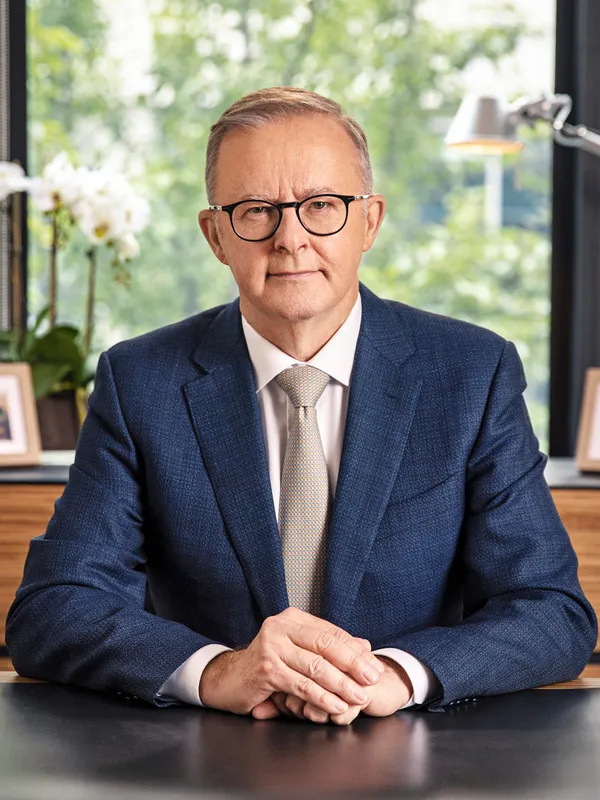 ProfileAnthony AlbanesePrime Minister of Australia
Related
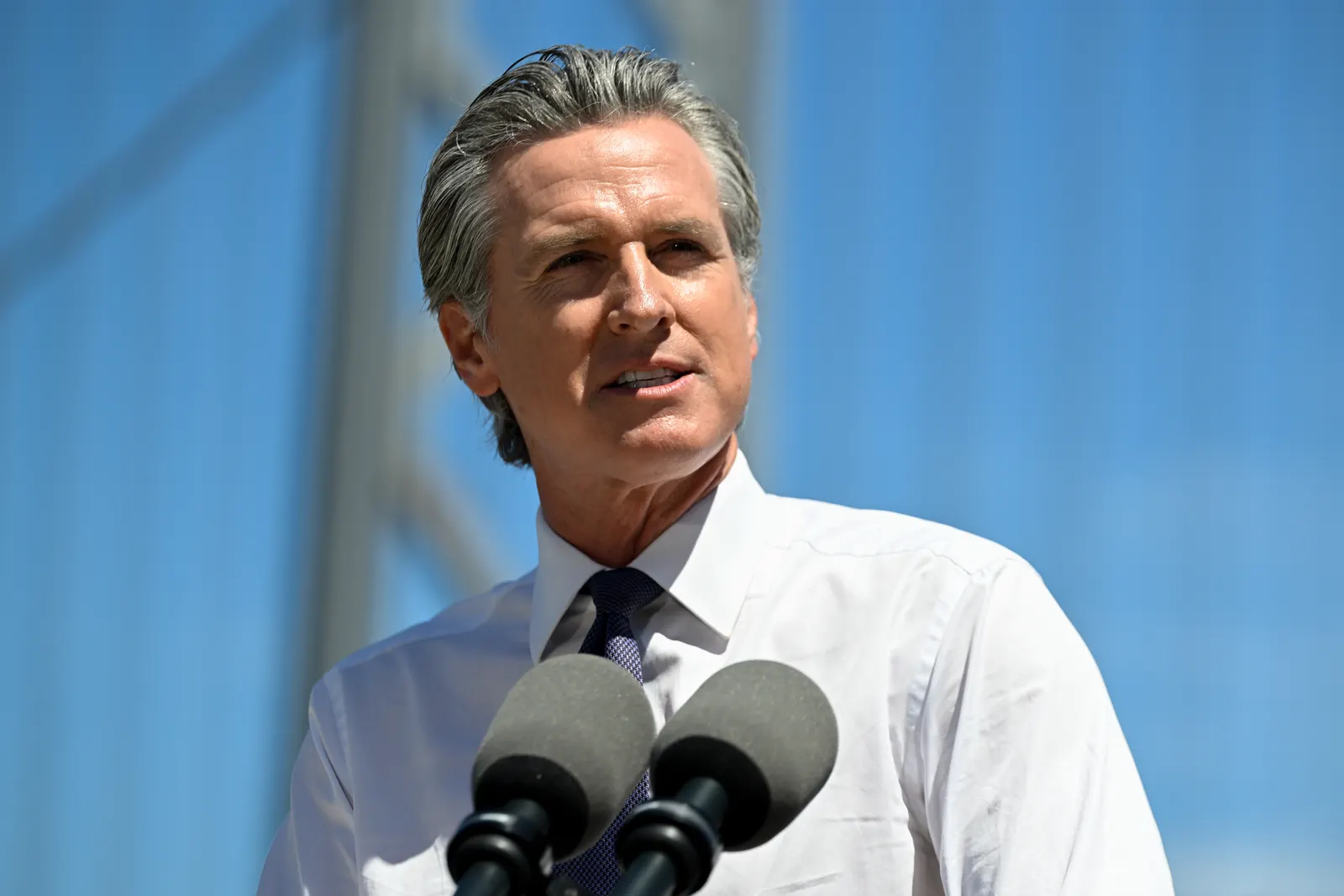
California Senate Passes Post-Production Tax Bill; Newsom Must Act
SB 2319 cleared the California State Senate 33-5, creating a dedicated post-production tax incentive as the L.A. film industry continues to shrink.
Netanyahu Condemns West Bank Attack on NBC News Team as Settler Violence Escalates
Masked settlers assaulted an NBC News crew and a Palestinian woman in Jalud, injuring four journalists and drawing condemnation from Israel's prime minister.
Park Service Backs Trump Arch Despite Threat to DC Landmark Sightlines
A federal report endorses the proposed 250-foot gilded arch while acknowledging it will disrupt the visual integrity of dozens of historic Washington sites.