Australia to Double Social Media Ban Fines to $99M as Albanese Presses Tech Giants

Canberra will double penalties for breaching its under-16 social media ban to $99 million, citing persistent non-compliance by major platforms.

The Australian government is moving to sharply escalate financial penalties against social media companies that fail to enforce the country's ban on users under 16, citing evidence that platforms are doing the bare minimum to comply. Prime Minister Anthony Albanese acknowledged signs of global progress but said the situation at home remained unacceptable, with too many children still actively using restricted platforms.
Penalties Set to Double
Under proposed legislative changes, the maximum fine for systematic breaches of Australia's youth social media law will rise from $49.5 million to $99 million — bringing it in line with penalties already available under the country's competition and consumer regulations. The government framed the move as a direct response to what it described as deliberate foot-dragging by some of the world's most profitable corporations.
Communications Minister Anika Wells said platforms were deploying what she called "tricks straight out of the big tech playbook" to meet only the minimum threshold of compliance. "These tough new penalties and powers show we will not back down," she said, according to The Guardian World.
Albanese, who has previously vowed to toughen Australia's under-16 social media ban, said the government would not allow enforcement gaps to undermine what he described as a world-leading piece of legislation. "Big tech are not doing enough to comply with the law — there are still too many children on social media," he said.
Regulator to Gain Stronger Investigative Tools
Alongside the higher fines, the proposed reforms would significantly expand the powers of the eSafety Commissioner, which is already investigating potential breaches by Facebook, Instagram, Snapchat, TikTok, and YouTube. Under the new framework, the commissioner would be empowered to compel platforms to produce evidence of the specific steps they have taken to block under-16s from opening or continuing to use accounts.
Critically, that power would extend to third parties — including age-verification services and app store providers — giving investigators a broader reach across the digital supply chain.
Compliance Gaps Documented by Researchers
The government's push comes against a backdrop of sobering independent findings. A University of Newcastle study of more than 400 young people aged 12 to 17, published in the BMJ, found that more than 80 percent of under-16s were still accessing social media three months after the law took effect on December 10. The researchers concluded there was "insufficient evidence" of any early substantial reduction in adolescent social media use as a result of the legislation.
The study found that while two-thirds of teenagers reported encountering some form of age check, only a small fraction — 5 percent of 12-to-13-year-olds and 11 percent of 14-to-15-year-olds — were ever asked to produce official identification. Self-reported age entry and selfie uploads were far more common verification methods.
The researchers also found meaningful rates of circumvention: roughly 15 to 19 percent of younger teens admitted to using fake accounts, while a smaller share used VPNs to get around restrictions. The study suggested the ban may be more effective in preventing initial social media adoption among children under eight than in curbing use among adolescents already embedded in platform culture.
The government noted that more than five million accounts held by under-16s had been removed, deactivated, or restricted since the ban's introduction — a figure it cited as evidence of partial progress, even as the compliance data pointed to significant shortfalls.
Growing International Momentum
Despite enforcement challenges, Australia's legislative model continues to attract international attention. France's national assembly has passed restrictions barring children under 15 from social media access, and the UK has announced plans for a comparable ban covering under-16s from 2027. Slovenia, Poland, Spain, Denmark, and Malaysia are each reported to be weighing similar measures.
Albanese pointed to that momentum as validation of the policy direction, even as Canberra presses ahead with the enforcement tightening. "Australia is leading the world in our efforts to keep kids and young people safe online," he said.
Related on Ni4o: Albanese Vows to Toughen Australia's Under-16 Social Media Ban · Milei's cabinet chief Adorni quits amid spending scandal
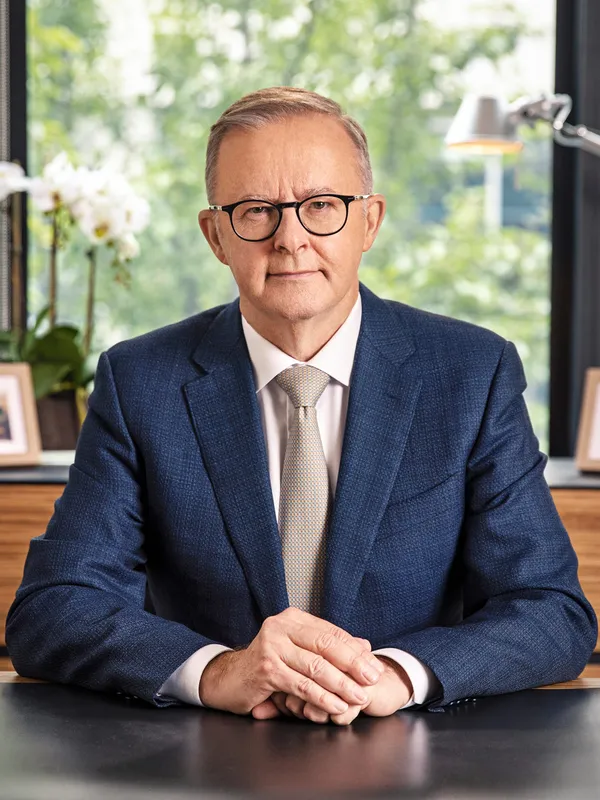 ProfileAnthony AlbanesePrime Minister of Australia
Related
California Senate Passes Post-Production Tax Bill; Newsom Must Act
SB 2319 cleared the California State Senate 33-5, creating a dedicated post-production tax incentive as the L.A. film industry continues to shrink.

Netanyahu Condemns West Bank Attack on NBC News Team as Settler Violence Escalates
Masked settlers assaulted an NBC News crew and a Palestinian woman in Jalud, injuring four journalists and drawing condemnation from Israel's prime minister.
Park Service Backs Trump Arch Despite Threat to DC Landmark Sightlines
A federal report endorses the proposed 250-foot gilded arch while acknowledging it will disrupt the visual integrity of dozens of historic Washington sites.