Business
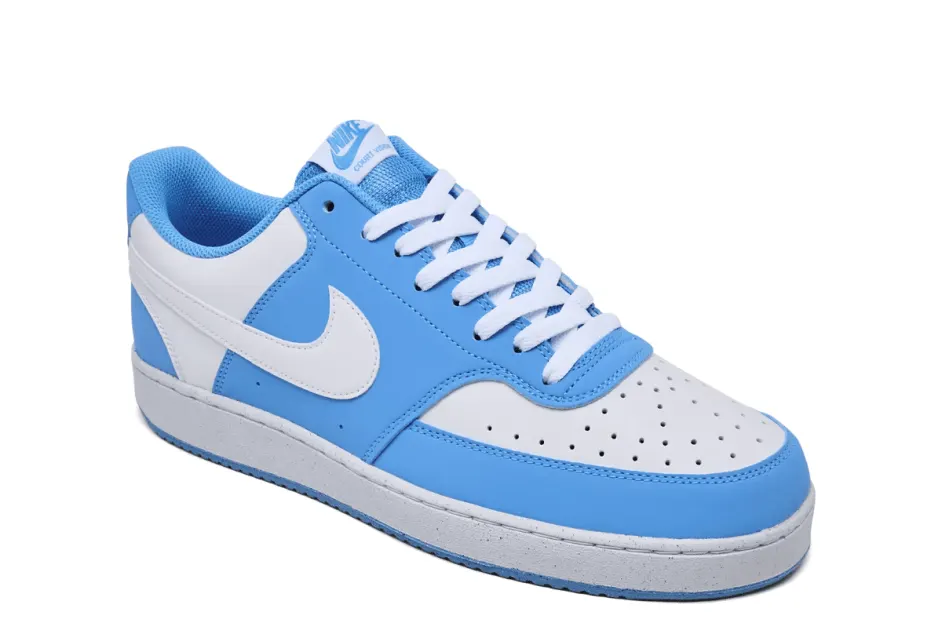
Tommy Hilfiger Among Brands Featured in Macy's July Discounts
Macy's annual sale offers significant discounts on brands including Tommy Hilfiger, making summer shopping budget-friendly.
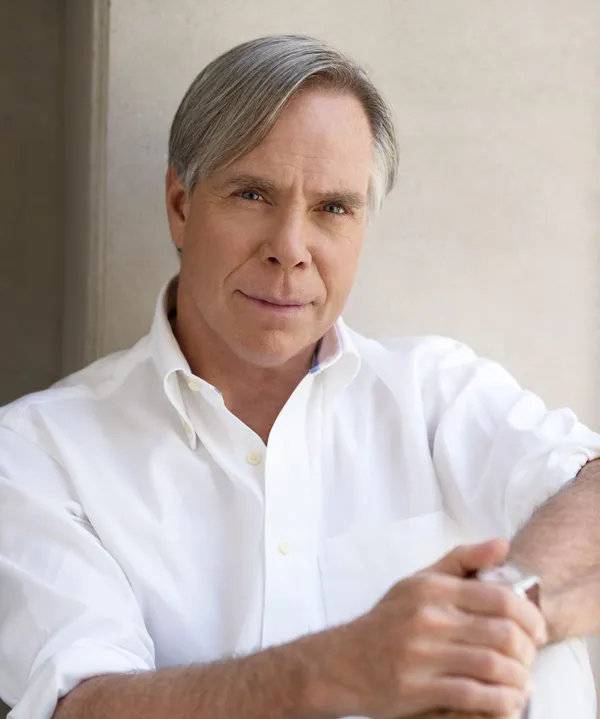
Fashion Designer and Brand Founder
Thomas Jacob Hilfiger, known as Tommy Hilfiger, is an American fashion designer and entrepreneur who built one of the world's most recognizable apparel brands. Born in Elmira, New York, he developed an early interest in fashion and retail as a teenager, and his career grew from modest local beginnings into a global lifestyle company synonymous with a distinctly American, preppy aesthetic.
Hilfiger's entry into fashion began not in design school but in retail. As a young man he opened a small clothing store in his hometown, selling trendy apparel to local youth. The venture taught him about merchandising and consumer taste but eventually ran into financial difficulty. Drawing on those lessons, he moved toward designing his own clothing and relocated to pursue opportunities in the fashion industry.
In the mid-1980s he launched his namesake brand, supported by a famously bold advertising campaign that positioned him alongside established American menswear designers. The attention-grabbing marketing helped introduce his name to a wide audience and signaled his ambition to compete at the highest level of the industry.
The Tommy Hilfiger label became known for its clean, classic styling, drawing on traditional American sportswear and preppy influences while incorporating bold use of logos, flags, and red-white-and-blue color schemes. The brand resonated strongly during the 1990s, when its apparel was embraced across mainstream fashion and, notably, by hip-hop artists and youth culture, broadening its appeal far beyond its original preppy roots.
Over time the company expanded from menswear into a full lifestyle brand, encompassing women's and children's clothing, denim, fragrances, accessories, and home goods, distributed through retail stores and licensing arrangements around the world. The brand's growth turned Hilfiger's name into a global commercial enterprise with a presence in numerous countries.
The corporate ownership of the brand evolved through various transactions over the years, and it ultimately became part of a large publicly traded apparel conglomerate. Throughout these changes, Hilfiger remained closely associated with the brand as its public face and creative figurehead, lending his name and design sensibility to its identity.
Tommy Hilfiger's design philosophy has consistently emphasized accessible, classic American style with a youthful, energetic edge. He embraced celebrity culture, music, and entertainment as marketing tools, frequently partnering with high-profile figures and ambassadors to keep the brand culturally relevant across generations. He has also engaged with red-carpet fashion, runway shows, and various collaborations that blended his signature look with contemporary trends.
Beyond design, Hilfiger has been involved in philanthropy and has supported a range of causes over the course of his career. He has also published reflections on his life and work, sharing his perspective on building a brand and navigating the fashion business.
As one of the designers who helped define American casual fashion in the late twentieth century, Tommy Hilfiger left a lasting imprint on the industry. His blend of classic styling, bold branding, and cultural awareness transformed a small regional clothing operation into an enduring international label, and his name remains one of the most familiar in global fashion.
Macy's annual sale offers significant discounts on brands including Tommy Hilfiger, making summer shopping budget-friendly.
FAQ
Tommy Hilfiger was born on March 24, 1951, which makes 75 years old.
Tommy Hilfiger is from United States.
Tommy Hilfiger is best known as Designer, Fashion designer, Art collector. Notable work includes Tommy Hilfiger brand, American preppy fashion, classic logo styling, global apparel empire.