Tech
Pichai Tells Stanford Grads to Choose Optimism as Some Walk Out
Google CEO Sundar Pichai urged Stanford graduates to embrace optimism and persistence, even as a group of students walked out in protest of the company's government contracts.
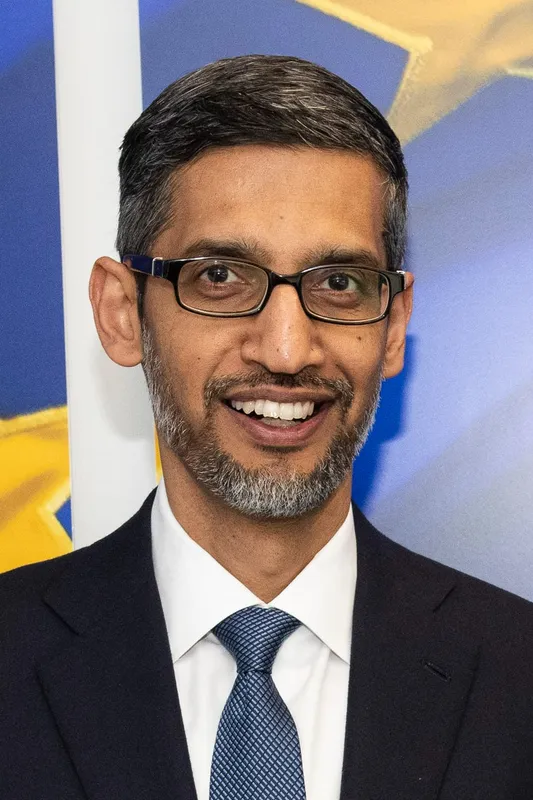
CEO of Alphabet and Google
Sundar Pichai is one of the most influential figures in the global technology industry, serving as chief executive of both Google and its parent company, Alphabet. His career is often cited as a model of steady, product-focused leadership, rising from a modest upbringing in India to the helm of one of the world's most valuable corporations.
Pichai Sundararajan was born in 1972 in Madurai, in the southern Indian state of Tamil Nadu, and grew up in Chennai. He has often described a childhood without many of the conveniences common in wealthier households, recalling that his family did not own a telephone until he was a teenager. He showed an early aptitude for mathematics and memory, and he went on to study metallurgical engineering at the Indian Institute of Technology Kharagpur. He later moved to the United States, earning a master's degree from Stanford University and an MBA from the Wharton School at the University of Pennsylvania, where he was recognized as a notable scholar.
Pichai joined Google in 2004, a period when the company was rapidly expanding beyond its core search business. He initially worked on a range of products, including the Google Toolbar, but his reputation grew enormously through his stewardship of the Chrome web browser. Launched in 2008, Chrome became one of the most widely used browsers in the world, and its success demonstrated Pichai's ability to ship products at massive scale. He subsequently took on broader responsibilities, overseeing the Android mobile operating system, Google Apps, and other major divisions.
His ascent culminated in 2015, when Google reorganized itself under a new holding company called Alphabet. Pichai was named chief executive of Google, taking charge of the company's flagship products and advertising business. In 2019, when co-founders Larry Page and Sergey Brin stepped back from day-to-day operations, Pichai also became CEO of Alphabet, consolidating his authority over the entire enterprise.
Under Pichai's direction, Google has positioned artificial intelligence at the center of its long-term strategy, a philosophy he has summarized with the idea of being an "AI-first" company. This emphasis has shaped investments in machine learning, cloud computing, and large-scale AI models, as the company competes with rivals across the technology sector. Pichai has also navigated significant challenges, including regulatory scrutiny over Google's market power, debates about privacy, internal disagreements among employees, and the pressures of maintaining growth in a maturing advertising market.
Colleagues and observers frequently describe his management style as measured, consensus-oriented, and deeply rooted in product understanding rather than flamboyant showmanship. This approach has helped him hold together a sprawling organization spanning search, advertising, hardware, cloud services, and experimental "moonshot" projects.
Beyond his corporate role, Pichai is regarded as a prominent example of Indian-born leaders heading major American technology firms, and he has spoken about the importance of access to technology and education. He continues to guide Alphabet through a period defined by intense competition in artificial intelligence and ongoing questions about the role of large technology platforms in society. His tenure remains a defining chapter in the modern history of Silicon Valley, illustrating how a focus on engineering excellence and disciplined execution can translate into enduring influence over the digital tools used by billions of people every day.
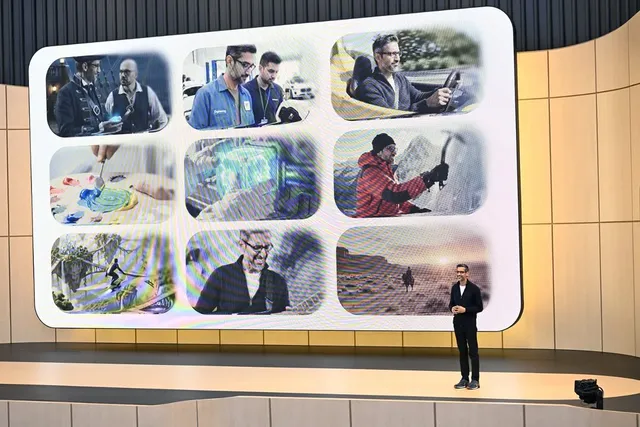
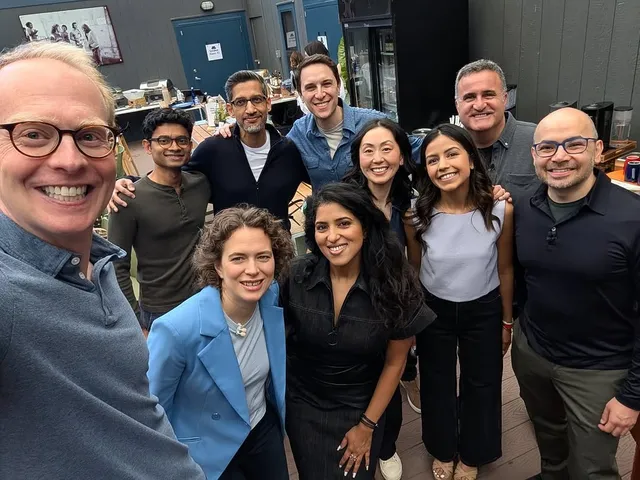


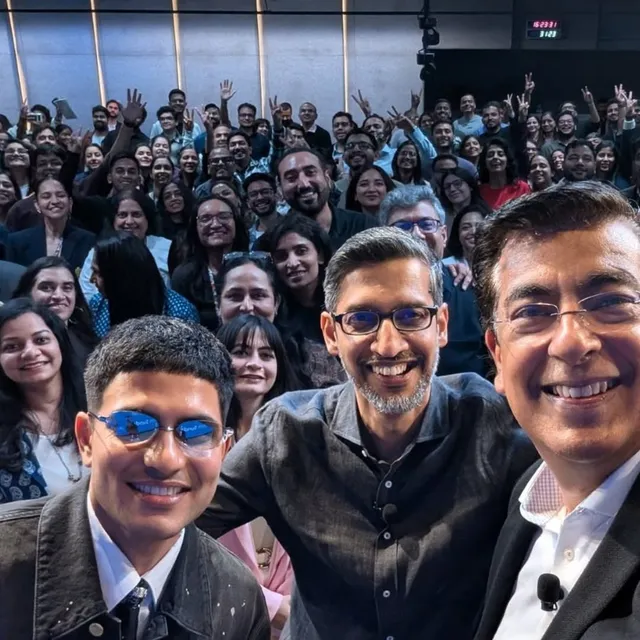
Google CEO Sundar Pichai urged Stanford graduates to embrace optimism and persistence, even as a group of students walked out in protest of the company's government contracts.
FAQ
Sundar Pichai was born on June 10, 1972, which makes 54 years old.
Sundar Pichai is a citizen of India and United States.
Sundar Pichai is best known as Computer scientist, Chief executive officer, Executive. Notable work includes Leading Google and Alphabet, Google Chrome, Android, Google's AI strategy.
Yes — Sundar Pichai is on Instagram, X (Twitter). You can find the official links on this page.