Movies
Brendan Fraser's 'Pressure' Finds a Second Life on Peacock
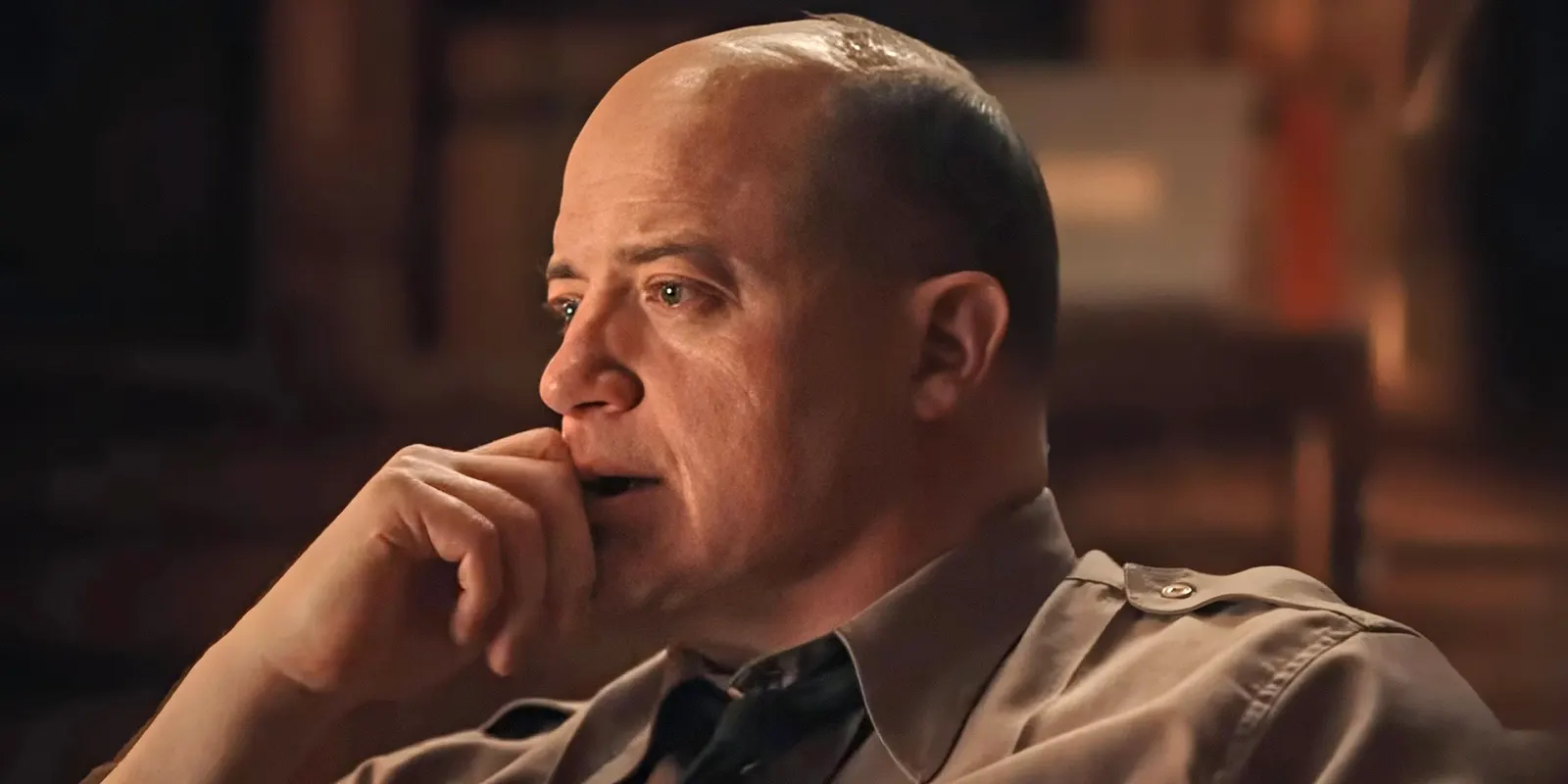
The WWII chamber thriller starring Fraser as Eisenhower is quietly becoming one of Peacock's most-watched titles, and for good reason.
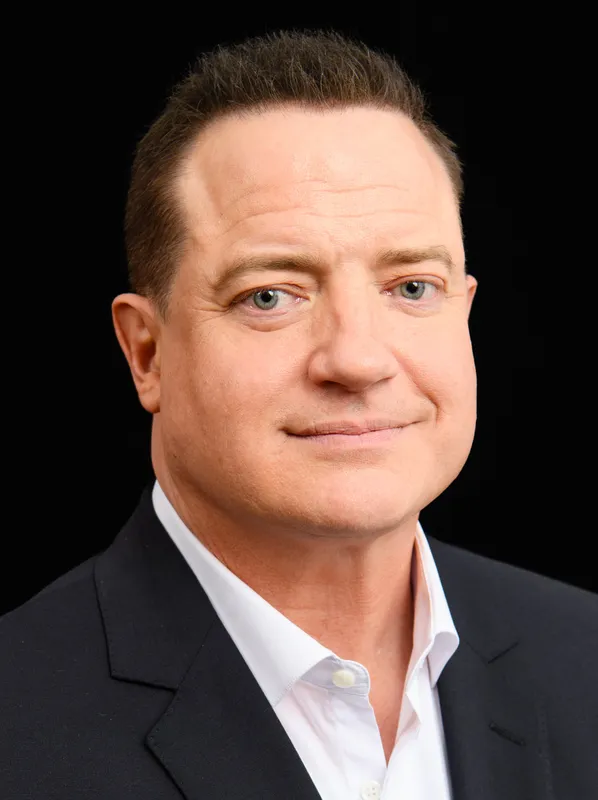
Actor
Brendan Fraser is an actor known for leading roles in adventure and comedy films in the 1990s and 2000s and for a celebrated career resurgence that culminated in an Academy Award for Best Actor. His work ranges from blockbuster franchises to dramatic character studies.
Fraser was born in Indianapolis, Indiana, to Canadian parents, and he spent parts of his childhood living in various places due to his father's work, including time in Canada, the Netherlands, and the United States. He developed an early interest in acting and pursued formal training, studying theatre and earning an acting degree. His exposure to live performance during his upbringing helped shape his decision to pursue the profession.
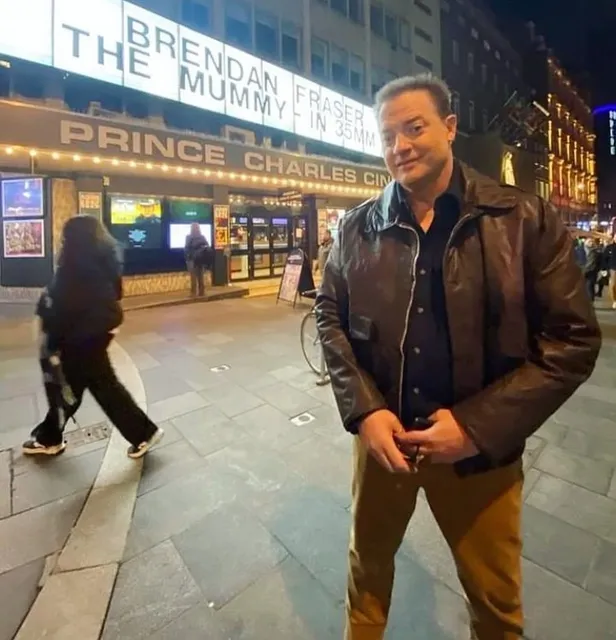
Fraser gained early attention in the comedy Encino Man and the drama School Ties in the early 1990s. He became a prominent leading man with roles in family and adventure films, including George of the Jungle, and he achieved major box-office success starring as Rick O'Connell in The Mummy and its sequels, which became one of his defining franchises. He also drew critical praise for his work in the ensemble drama Crash and demonstrated range across comedy, action, and drama throughout the decade.
After a period of fewer high-profile roles, during which he has spoken about physical injuries from demanding stunt work and personal challenges, Fraser's career experienced a significant revival. He took on television roles and supporting film parts that drew renewed attention to his talent.
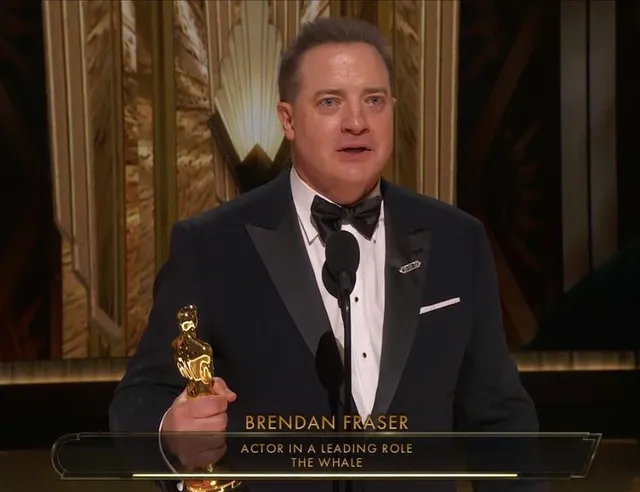
Fraser's resurgence reached its peak with his lead performance in Darren Aronofsky's The Whale, in which he played a reclusive English teacher dealing with severe health and emotional struggles while seeking to reconnect with his daughter. The physically and emotionally demanding role required extensive prosthetics and earned widespread acclaim, winning him the Academy Award for Best Actor along with numerous other honors during a celebrated awards season. The warmth of the public response to his comeback, sometimes described in the media as a "Brenaissance," reflected lasting affection for him among audiences who had grown up with his earlier films. He has since continued to take on film roles, including work in projects by prominent directors such as Martin Scorsese, cementing a return to prominence built on dramatic performances that have redefined the later stage of his career. His path from popular leading man to a period away from the spotlight and back to critical recognition has been widely cited as one of the more notable career revivals in recent Hollywood history.
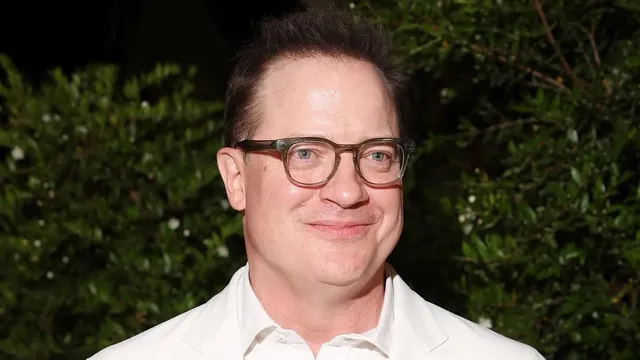



The WWII chamber thriller starring Fraser as Eisenhower is quietly becoming one of Peacock's most-watched titles, and for good reason.
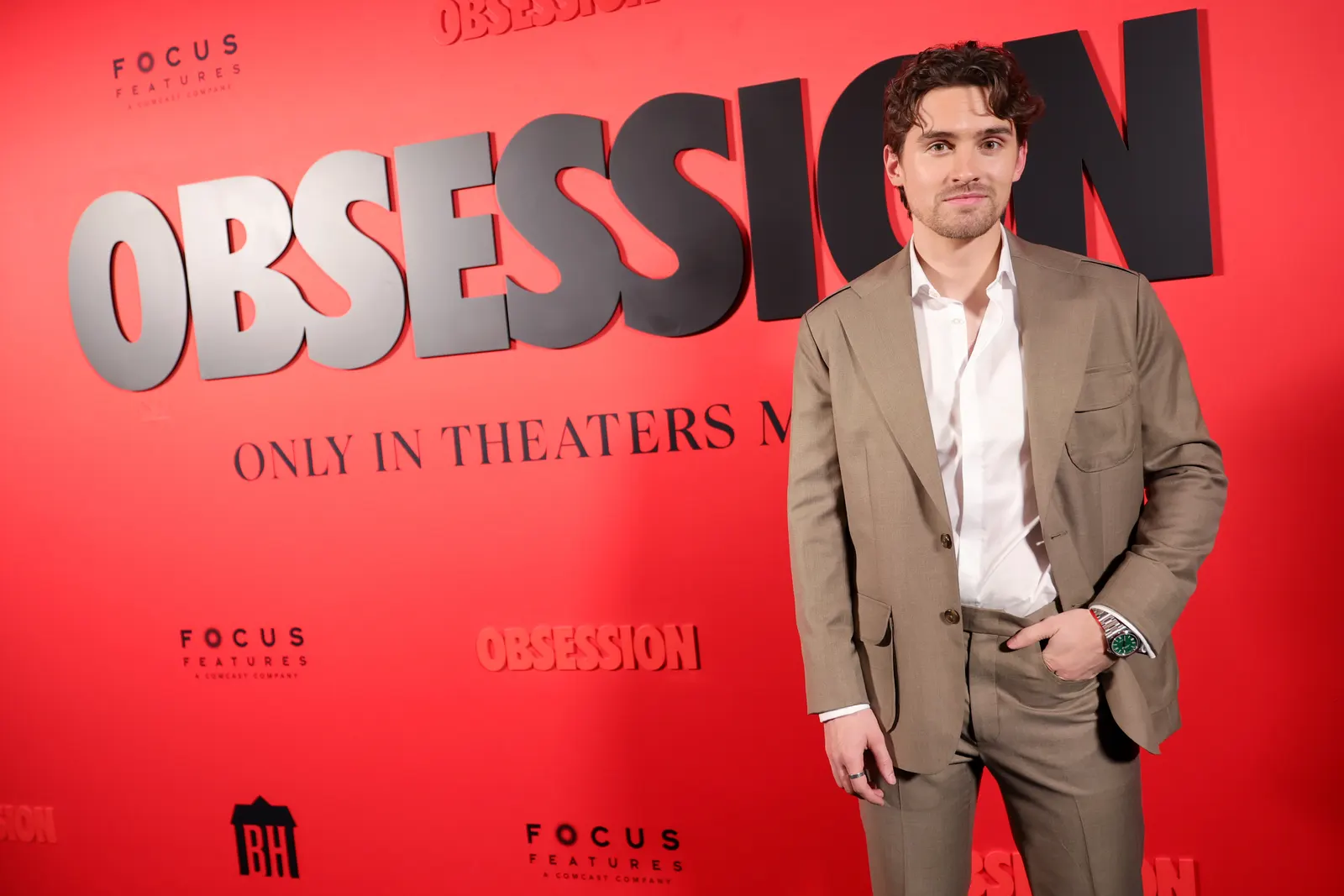
The 'Obsession' breakout star is reportedly in early negotiations to board Universal's highly anticipated fourth Mummy installment, due in 2027.
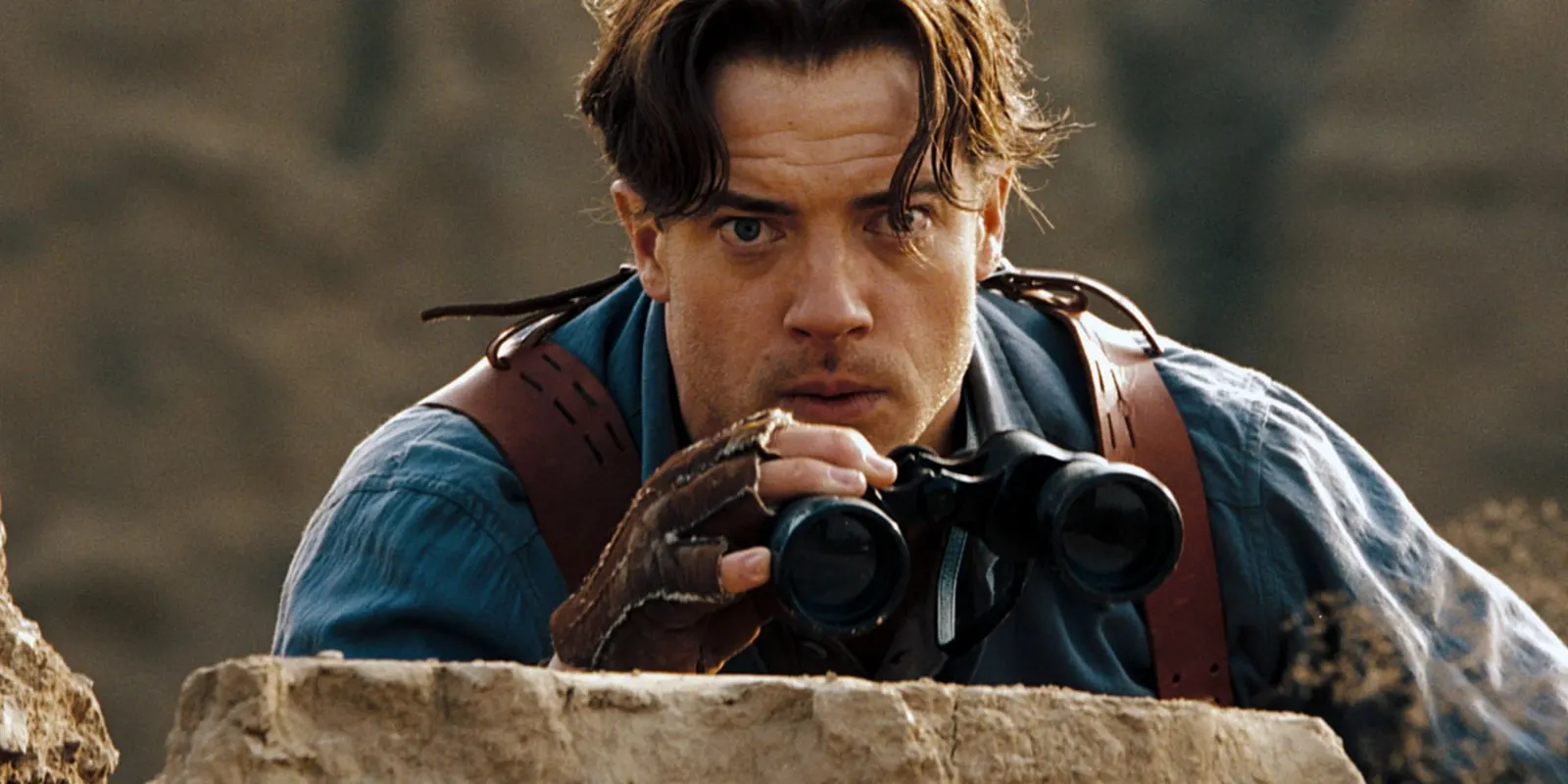
From globe-trotting adventure to intimate character studies, Brendan Fraser's back catalogue rewards revisiting now more than ever.

A new WWII film, 'Lucky Strike,' featuring Scott Eastwood, stumbles amid mixed reviews, failing to match the impact of Brendan Fraser's 'Pressure.'
FAQ
Brendan Fraser was born on December 3, 1968, which makes 57 years old.
Brendan Fraser is a citizen of United States and Canada.
Brendan Fraser is best known as Actor, Voice actor, Film producer. Notable work includes The Mummy, George of the Jungle, The Whale (Academy Award).
Yes — Brendan Fraser is on Instagram. You can find the official links on this page.