Why The Killing of a Sacred Deer Is Colin Farrell at His Most Chilling

Yorgos Lanthimos' unsettling 2017 thriller has landed on HBO Max, offering a masterclass in emotional detachment from Colin Farrell.
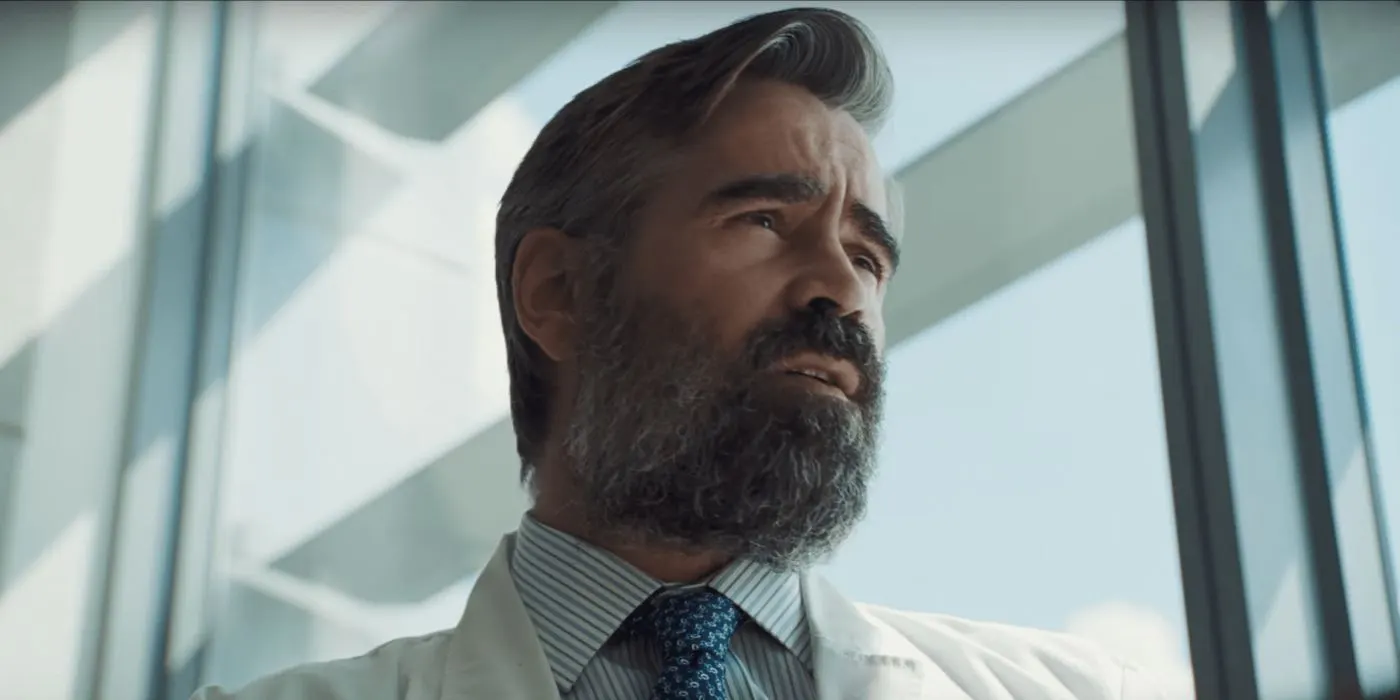
Streaming platforms have a peculiar gift for resurrection — surfacing films that slipped past mainstream audiences on their original release and restoring them to the conversation they always deserved. Yorgos Lanthimos' The Killing of a Sacred Deer, now available on HBO Max, is precisely that kind of rediscovery: a meticulously constructed modern Greek tragedy that asks its audience to sit with sustained, escalating dread and offers no easy release valve.
A Director Finding His English-Language Voice
By the time most audiences came to know Lanthimos through his awards-circuit dominance — The Favourite, Poor Things, and the forthcoming Bugonia cementing his reputation as one of contemporary cinema's most distinctive voices — The Killing of a Sacred Deer had already done the quiet work of expanding his range. Released in 2017, it was only his second English-language feature after The Lobster (2015), and it demonstrated that the controlled, almost clinical absurdism he'd refined in Greek-language films like Dogtooth could be redirected into something with genuine menace at its core. According to Collider, the film has now found a new home on HBO Max, making it newly accessible to audiences drawn in by Lanthimos' more recent acclaim.
Colin Farrell Stripped of His Signature Charisma
For anyone who associates Colin Farrell with his more combustible screen presence, Sacred Deer offers a genuinely disorienting counterpoint. In In Bruges, The Banshees of Inisherin, and his recent turn as Oz Cobb in The Penguin, Farrell has consistently worked in registers of wit, warmth, or volatile energy — the recognizable human textures that have defined his career resurgence. Steven Murphy, the heart surgeon at the center of Sacred Deer, carries none of that. He is precise, hollow, and oddly affectless, a man whose professional detachment has quietly colonized every other aspect of his life, including how he relates to his wife (Nicole Kidman) and children.
Lanthimos draws out this quality with his characteristically stilted dialogue and rigid framing, but what distinguishes Farrell's performance here from his work in The Lobster — where a similar stylistic register played toward dark comedy — is the complete absence of vulnerability. When Steven's past malpractice becomes the lever by which a vengeful teenager, Martin (Barry Keoghan), begins dismantling his family, Farrell plays each escalation as though observing a clinical problem rather than a personal catastrophe. The chilling payoff arrives late in the film, as Steven approaches his stricken children with the dispassionate calculus of a man selecting a procedure from a menu.
Barry Keoghan's Arrival
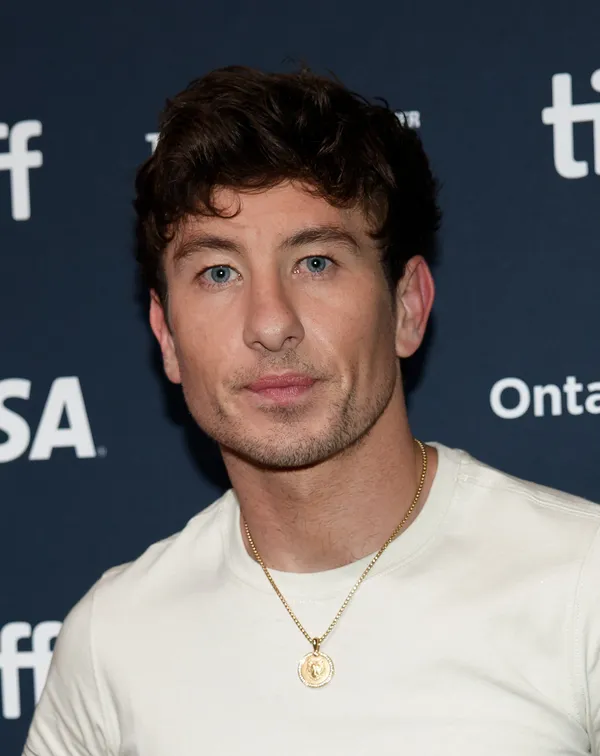
If Sacred Deer recontextualized what Farrell was capable of, it also announced a new talent entirely. Barry Keoghan was a little-known Irish actor when he took the role of Martin, the teenager whose grief curdles into something biblical and implacable. Seventeen years Farrell's junior and working with far less experience behind him, Keoghan matched the veteran scene for scene — a feat that feels more remarkable with the benefit of hindsight, given what followed. His Martin weaponizes apparent innocence, delivering ultimatums and quiet horror in a tone so matter-of-fact it bypasses fear and lands somewhere closer to nausea. The performance pointed directly toward the roles that would later define him: the insidious Oliver Quick in Saltburn, his scheming turn in Peaky Blinders: The Immortal Man.
The double act between Farrell's controlled blankness and Keoghan's unsettling guilelessness gives the film a texture few psychological thrillers manage — two characters defined by what they suppress rather than what they express.
Why It Still Resonates
Nearly eight years on from its initial release, The Killing of a Sacred Deer retains its capacity to unsettle in ways that more conventional genre fare cannot. Lanthimos treats moral catastrophe not as a dramatic event but as a logical inevitability — the tone is observational rather than judgmental, which makes the audience's own discomfort feel strangely implicatory. For viewers arriving via Poor Things or The Favourite, it offers essential context for understanding a filmmaker whose intelligence was never in doubt, only his platform. For anyone tracking the kind of bold streaming acquisitions reshaping how we discover films, its arrival on HBO Max is as good a reason as any to finally close that gap.
Related on Ni4o: Colin Farrell Discovers He's Live on Air Mid-Swear on FIFA Fox Show
 ProfileBarry KeoghanActor
Related
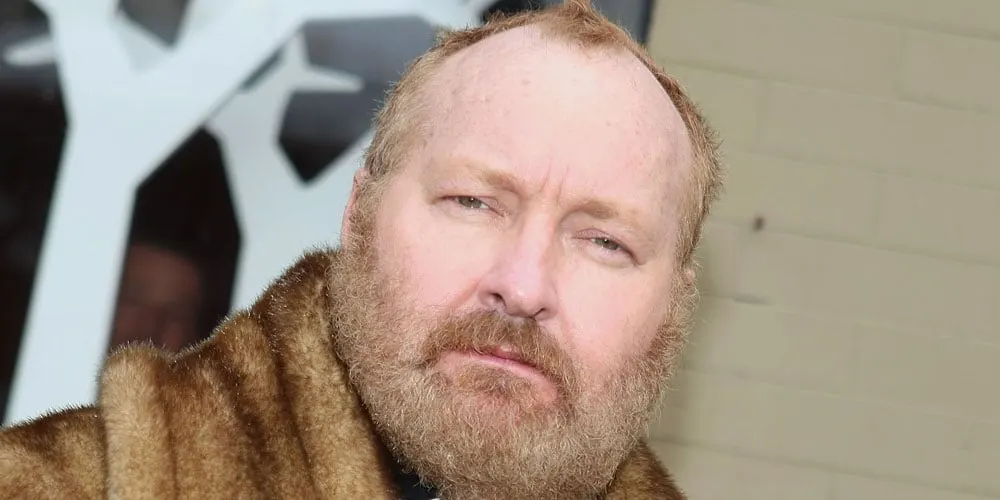
Randy Quaid Slams Anne Hathaway Casting in Days of Thunder Sequel
Randy Quaid, who appeared in the original 1990 film, took to X to demand Nicole Kidman's return and dismiss the Hathaway announcement.

Eva Mendes' 'de Gosling' Tattoo Is the Only One She's Ever Wanted
Eva Mendes is showing off her wrist tattoo again — a small but meaningful piece of ink that carries a deep cultural significance.
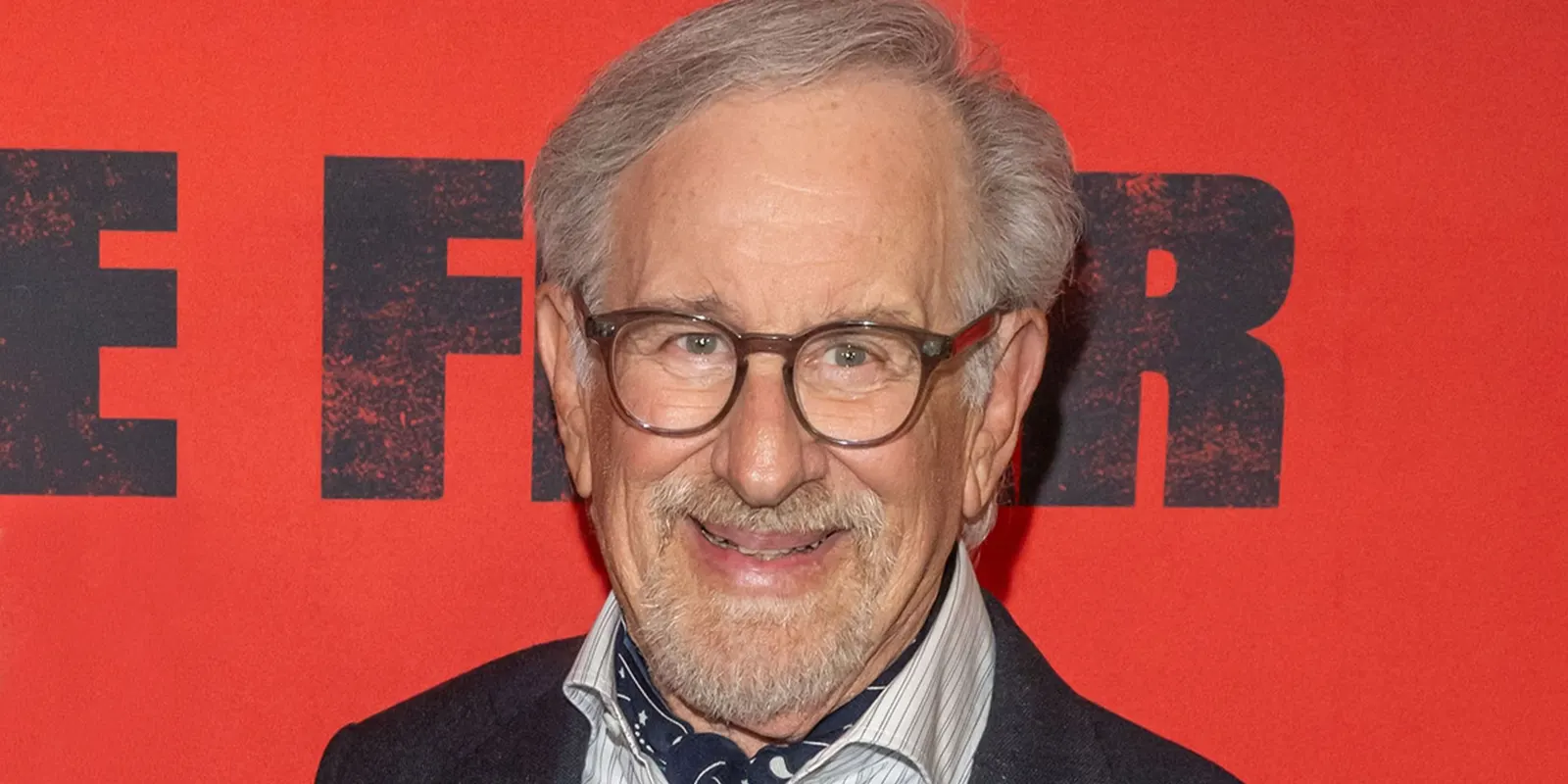
Steven Spielberg's 'War of the Worlds' Returns to Streaming Amid Debate
Steven Spielberg's 'War of the Worlds' is hitting HBO Max next month, reigniting discussions on its mixed reception.