Why Statham's 'Wild Card' Outclasses Burt Reynolds' Original 'Heat'

Both films adapt William Goldman's 1985 novel, but Jason Statham's 2015 version proves the stronger take on a story about survival, vice, and Las Vegas.
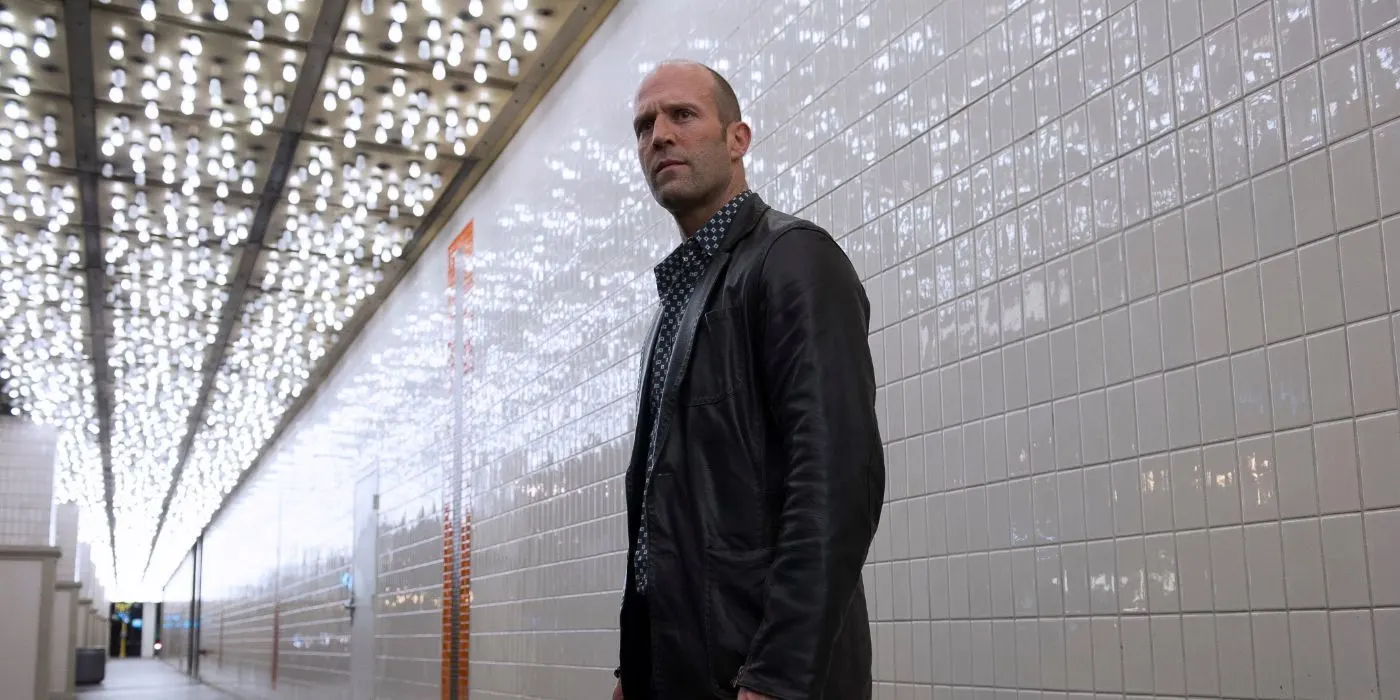
William Goldman's 1985 novel Heat was always a literary property with serious cinematic potential — a brooding character study of a burned-out mercenary-turned-bodyguard navigating Las Vegas with a gambling addiction and an exit strategy perpetually deferred. That the book generated two separate feature adaptations, decades apart, speaks to the enduring appeal of its premise. According to Collider, the comparison between those two films — Burt Reynolds' 1986 Heat and Jason Statham's 2015 Wild Card, directed by Simon West — reveals not just differing production circumstances but fundamentally different outcomes in terms of craft and coherence.
Goldman's Source Material and What Both Films Share
Goldman, the Oscar-winning screenwriter behind Butch Cassidy and the Sundance Kid and All the President's Men, reportedly drew his novel from a genuine contempt for Las Vegas and the compromised lives it fosters. Both adaptations preserve the essential architecture: a Las Vegas fixer named Nick — "The Mex" in the novel, rechristened Nick Wild in the Statham version — survives on odd jobs and casino winnings while dreaming of escape to Venice, Italy. The inciting incident in both is Nick's decision to help a sex worker named Holly exact revenge on a young gangster, Danny DeMarco, who brutally assaulted her. Nick's proficiency with edged weapons becomes the fulcrum of the film's action sequences, and his unlikely friendship with a meek, wealthy young man named Cyrus gives the story its modest emotional core.
Reynolds, a Troubled Production, and a Career at a Crossroads
For Reynolds, the Goldman adaptation arrived at a particularly fraught moment. His memoir details the professional turbulence of the early 1980s — a jaw injury sustained on the set of City Heat, the rising dominance of Schwarzenegger and Stallone redefining what action stardom looked like, and a string of underperforming films eroding his once-unassailable box-office standing. Heat was meant to be a recalibration, a return to the grittier register he'd demonstrated in Sharky's Machine. Instead, the production unraveled before cameras even rolled properly. Director Robert Altman, whose involvement had at least promised a certain artistic seriousness, departed after Goldman refused script alterations. His replacement, Dick Richards, clashed so severely with Reynolds that the conflict escalated to a physical altercation and years of subsequent litigation. The film that emerged was a compromised, under-distributed footnote — far removed from the tense street-level thriller Goldman had written.
Statham's Version and the Advantages of Distance
Where Reynolds' version was burdened by ego, injury, and institutional chaos, Statham's Wild Card benefited from a more settled production environment and a lead actor who has consistently demonstrated an instinct for this particular kind of lean, physical storytelling. Statham and Reynolds actually share meaningful qualities as screen presences — both project an easygoing masculine authority and perform their own stunt work — but Statham has generally cultivated collaborations that serve the material rather than work against it. [His candid perspective on his own craft]((/article/jason-statham-s-candid-take-on-acting-resurfaces-amid-new-film-release)) has always suggested a performer more interested in the integrity of a sequence than in protecting a persona, which is precisely the disposition Goldman's story requires.
Director Simon West, whose action credentials include Con Air, brought a cleaner visual grammar to the material, and the supporting cast — which includes Stanley Tucci, Sofia Vergara, and Hope Davis — gives Wild Card a texture that the 1986 version simply couldn't match. The action choreography, particularly in sequences that showcase Nick's bladed combat style, has a specificity and brutality that aligns more faithfully with Goldman's novel.
A Study in Adaptation and Circumstance
Neither film performed particularly well commercially, which makes the comparison less about box-office verdicts than about fidelity to source and quality of execution. It's worth noting that Statham's broader filmography contains its own share of uneven entries — [Guy Ritchie's Revolver]((/article/guy-ritchie-and-statham-s-2005-misfire-revolver-hits-free-streaming)) being perhaps the most discussed — which makes Wild Card's relative success as an adaptation all the more notable. When the material fits the actor and the production isn't fighting itself, even a modestly budgeted Vegas noir can outclass its predecessor by a considerable margin. Wild Card is the cleaner proof of that principle.
Related on Ni4o: Guy Ritchie and Statham's 2005 Misfire 'Revolver' Hits Free Streaming · Jason Statham's Candid Take on Acting Resurfaces Amid New Film Release · Jason Statham's 'Mutiny' Accidentally Streamed on Prime Before Theaters
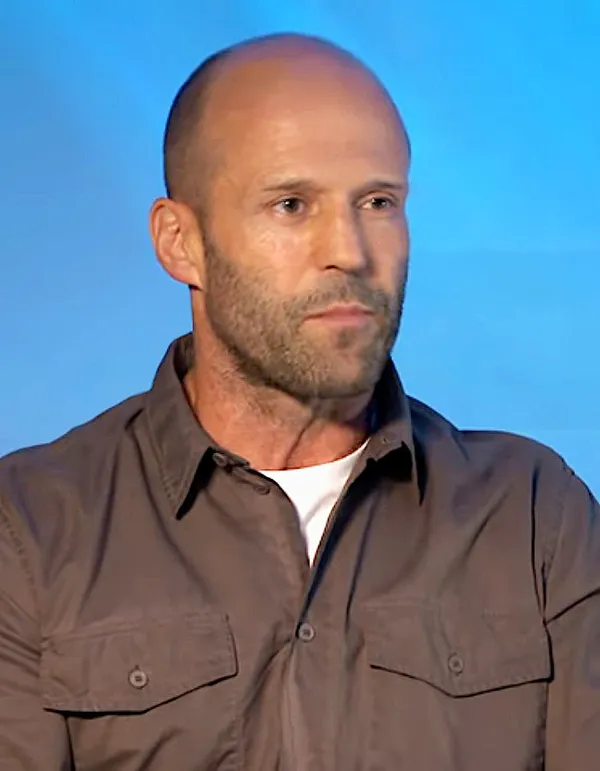 ProfileJason StathamActor
Related
Randy Quaid Slams Anne Hathaway Casting in Days of Thunder Sequel
Randy Quaid, who appeared in the original 1990 film, took to X to demand Nicole Kidman's return and dismiss the Hathaway announcement.

Eva Mendes' 'de Gosling' Tattoo Is the Only One She's Ever Wanted
Eva Mendes is showing off her wrist tattoo again — a small but meaningful piece of ink that carries a deep cultural significance.
Steven Spielberg's 'War of the Worlds' Returns to Streaming Amid Debate
Steven Spielberg's 'War of the Worlds' is hitting HBO Max next month, reigniting discussions on its mixed reception.