Why 'Prisoners' Remains Hugh Jackman's Most Demanding Performance

Denis Villeneuve's 2013 crime thriller gave Hugh Jackman the role of a lifetime — a portrait of grief curdling into something monstrous.
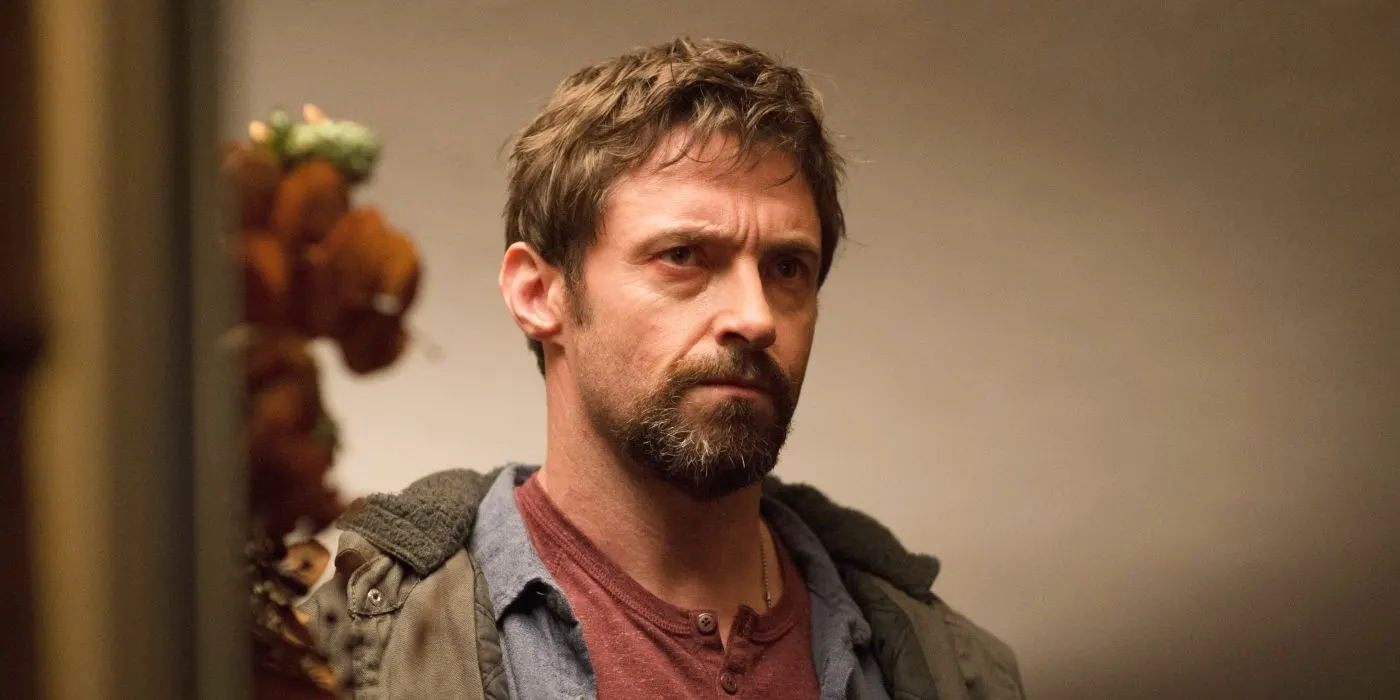
Denis Villeneuve's Prisoners (2013) occupies a rare space in contemporary crime cinema — a studio thriller willing to sit with moral ugliness rather than resolve it neatly. For Hugh Jackman, the film represents something equally uncommon: a vehicle that demanded everything the actor had and refused to let him coast on charm.
A Career-Defining Role Hidden in Plain Sight
Jackman has built one of the more eclectic filmographies in modern Hollywood. Audiences first encountered him as Wolverine across two decades of X-Men entries, and his range has since taken him from bold dramatic experiments to the showstopping spectacle of The Greatest Showman — a property that continues to evolve, with a stage adaptation heading to London's Drury Lane in 2027. Yet Prisoners stands apart. It is the performance least cushioned by spectacle, the one that requires Jackman to inhabit a genuinely uncomfortable moral position and hold it without flinching.
He plays Keller Dover, a Pennsylvania father whose daughter Anna and her friend Joy vanish after Thanksgiving dinner. When the primary suspect, a young man named Alex Jones (Paul Dano), is released for lack of evidence, Dover does not wait for the legal process to work. He abducts Jones and subjects him to prolonged torture, acting on a conviction the evidence does not fully support. Villeneuve and screenwriter Aaron Guzikowski frame Dover not as a villain but as something more troubling — a man whose love for his child has been transfigured by desperation into something indistinguishable from cruelty.
Two Investigators, Two Methods, One Moral Labyrinth
Prisoners runs dual storylines with unusual discipline. While Dover descends into his private campaign of violence, Detective Loki (Jake Gyllenhaal) pursues the case through methodical police work, following a chain of clues through the community's darker corners. The contrast is pointed, according to Collider: Gyllenhaal plays Loki with a quieter, more internalized intensity, a man whose professional precision has come at personal cost. Neither approach is validated cleanly by the film's outcome, which is what gives Prisoners its lasting unease.
The genre architecture Villeneuve and Guzikowski are working against is worth noting. The grieving father with practical skills who takes matters into his own hands is familiar territory — it's the DNA of countless revenge thrillers. Prisoners systematically dismantles that fantasy. Dover's certainty is wrong in crucial ways, and his brutality yields nothing the investigation couldn't have uncovered through legitimate means. It's a structural argument as much as a dramatic one.
A Difficult Production That Almost Looked Very Different
The film's path to production was lengthy and contingent. Guzikowski completed the screenplay in 2009, and the project circulated among major players for years. Leonardo DiCaprio and Christian Bale were both considered for lead roles, and Antoine Fuqua was at one point attached to direct. It was Mark Wahlberg who proved instrumental in getting the project moving, with Guzikowski crediting his early championing of the script as pivotal in securing studio interest.
That Villeneuve ultimately claimed the director's chair turned out to be one of the more consequential casting decisions of that period. Prisoners announced him as a filmmaker of the first order — patient, visually authoritative, and capable of extracting performances of real psychological depth. The ripple effects extended to his later work: Timothée Chalamet has recalled auditioning for Prisoners without success, then spending years working his way into Villeneuve's orbit before eventually landing the role of Paul Atreides in Dune.
Why It Still Demands Attention
More than a decade on, Prisoners retains its capacity to disturb. Jackman's performance — particularly a scene in which Dover threatens Jones with a hammer, his expression locked in something between grief and savagery — belongs in any serious discussion of the actor's body of work. It's the kind of role that redefines how audiences perceive a star, stripping away the more comfortable qualities that made him famous and replacing them with something rawer. For anyone mapping Jackman's range as a performer, Prisoners is not an optional stop.
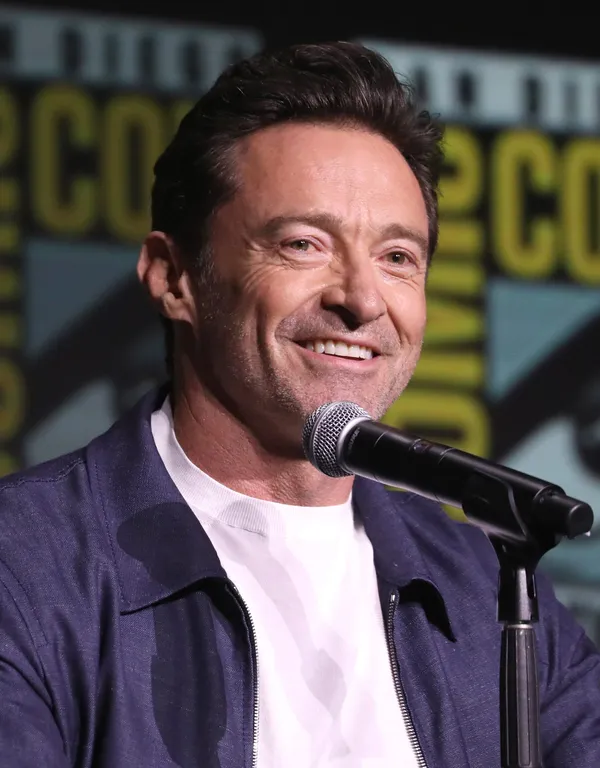 ProfileHugh JackmanActor, singer, and performer
Related
Randy Quaid Slams Anne Hathaway Casting in Days of Thunder Sequel
Randy Quaid, who appeared in the original 1990 film, took to X to demand Nicole Kidman's return and dismiss the Hathaway announcement.

Eva Mendes' 'de Gosling' Tattoo Is the Only One She's Ever Wanted
Eva Mendes is showing off her wrist tattoo again — a small but meaningful piece of ink that carries a deep cultural significance.
Steven Spielberg's 'War of the Worlds' Returns to Streaming Amid Debate
Steven Spielberg's 'War of the Worlds' is hitting HBO Max next month, reigniting discussions on its mixed reception.