Tracing the Roots of Hugh Jackman's 'Real Steel'

Hugh Jackman's 'Real Steel' draws inspiration from Richard Matheson's 'Steel.' Explore its connections with 'The Twilight Zone.'
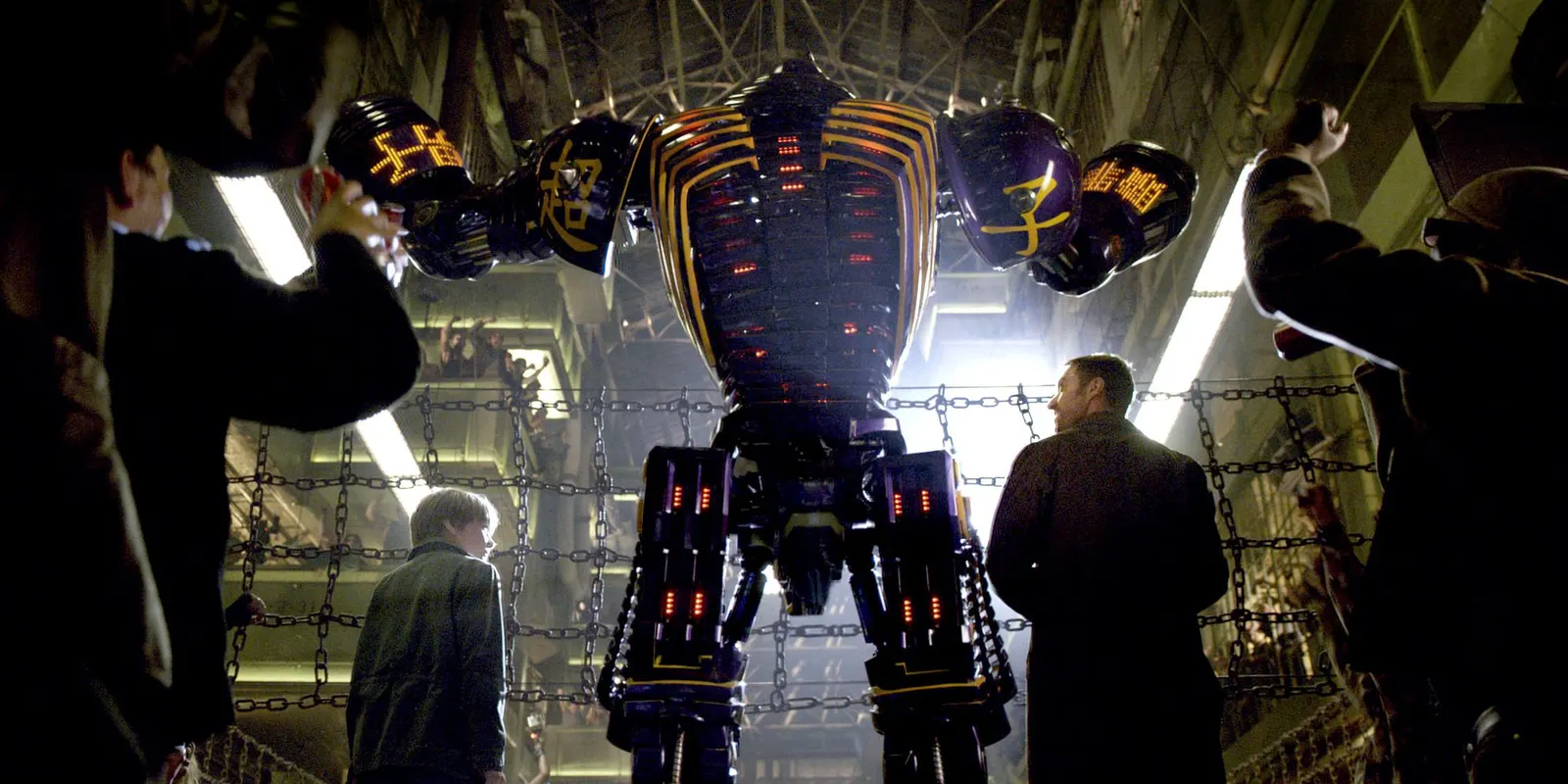
Hugh Jackman has endeared himself to audiences with a remarkable range, from his charismatic performances in musicals to his grittier roles in action films. A notable contribution to his filmography is the 2011 science fiction drama, Real Steel, where he plays Charlie Kenton, a former boxer turned robot trainer. While the film updated the classic boxing narrative through a technological lens, its roots trace back to Richard Matheson's timeless tale embedded in The Twilight Zone a staggering fifty years earlier.
The Legacy of Richard Matheson
Matheson’s influence on science fiction and horror is profound, and his story "Steel", which aired as a celebrated episode of The Twilight Zone in 1963, brilliantly foreshadows the very themes that Real Steel would later explore. In both adaptations, we meet Tim "Steel" Kelly, a fighter turned trainer in a future where human boxing is essentially obsolete due to automated machines. In its original context, 1963 was a time fraught with controversy in the sport; the untimely deaths of boxers such as Benny Paret and Davey Moore had raised serious questions about boxing's viability and ethics, making Matheson’s dystopian vision scarcely a stretch for viewers of the era.
The Enduring Appeal of ‘Steel’
What makes Matheson's work particularly compelling is its emotional depth and relatability. Both and Real Steel and Steel tap into the gritty perseverance of their characters. Matheson himself likened Kelly to Captain Ahab from Moby Dick—a man so consumed by his quest for glory that it risks consuming him entirely. This essence of human determination against seemingly insurmountable odds resonates strongly, providing a shared thread between the two stories.
In Real Steel, Jackman’s character attempts to reclaim his past triumphs through his relationship with his son, suggesting that the narrative extends beyond mere physicality into deeper familial bonds. Jackman's gritty performance complements the legacy laid by Lee Marvin’s portrayal in the original Twilight Zone episode, showcasing a fighter’s stubborn resolve in the face of technological advancement.
The Twilight Zone’s Cultural Significance
The Twilight Zone remains an iconic touchstone in American television history—an anthology that delved into the strange and often unsettling aspects of human existence. Matheson’s Steel episode, in particular, weaves an intricate narrative that reflects the fragility of human ambition in an increasingly mechanized world. It starkly illustrates the notion that the spirit of man may be labeled antiquated in a future dominated by machines, a sentiment that echoes within the framework of Real Steel.
The Journey from Page to Screen
Interestingly, the concept of sports and automation was yet to be thoroughly examined in filmmaking when Matheson penned "Steel." His foresight into the societal and moral dilemmas posed by technology is a testament to his literary genius. Matheson’s vivid storytelling has left an indelible mark on the genre, influencing countless authors and filmmakers since. This idea of competition evolving in response to societal changes brings forth philosophical questions about identity and value—a theme that resonates through various adaptations, including Jackman’s Real Steel.
As audiences revisit Real Steel or explore the original Twilight Zone episode, it becomes increasingly clear that the profound impact of Matheson’s short story endures. The exploration of human resilience and technological encroachment remains as relevant today as it was decades ago. Jackman’s work in this context not only serves as entertainment but as a discussion starter on the implications of our robotic futures.
In a world where Jackman continues to captivate, as evidenced by his recent work in movies like The Sheep Detectives, it’s clear that the legacy of earlier narratives, including Matheson’s, continues to inform and inspire contemporary storytelling. Whether through exploring addiction in Human Resources or taking on roles that blend humor and gravity, Jackman graces the screen with the same unwavering commitment that characterized the fighters of yesteryear.
Related on Ni4o: Hugh Jackman's 'The Sheep Detectives' Becomes a Prime Video Hit · Stephen King Praises 'The Sheep Detectives': 'Loved It' · Hugh Jackman and Sutton Foster Retreat to North Carolina This Summer
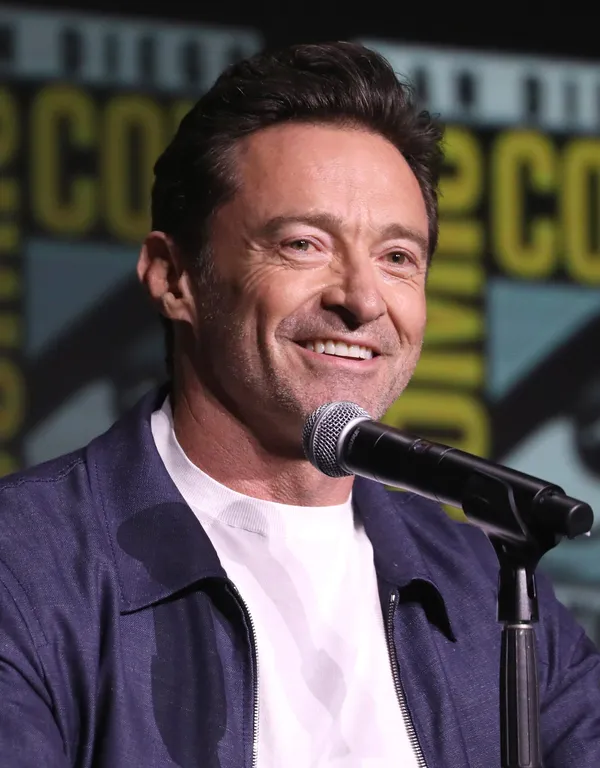 ProfileHugh JackmanActor, singer, and performer
Related

Randy Quaid Slams Anne Hathaway Casting in Days of Thunder Sequel
Randy Quaid, who appeared in the original 1990 film, took to X to demand Nicole Kidman's return and dismiss the Hathaway announcement.

Eva Mendes' 'de Gosling' Tattoo Is the Only One She's Ever Wanted
Eva Mendes is showing off her wrist tattoo again — a small but meaningful piece of ink that carries a deep cultural significance.
Steven Spielberg's 'War of the Worlds' Returns to Streaming Amid Debate
Steven Spielberg's 'War of the Worlds' is hitting HBO Max next month, reigniting discussions on its mixed reception.