Why Fast Five Remains the Crown Jewel of the Fast & Furious Saga

As Fast Five returns to Netflix, it's worth examining why this 2011 heist thriller still stands as the franchise's finest achievement.
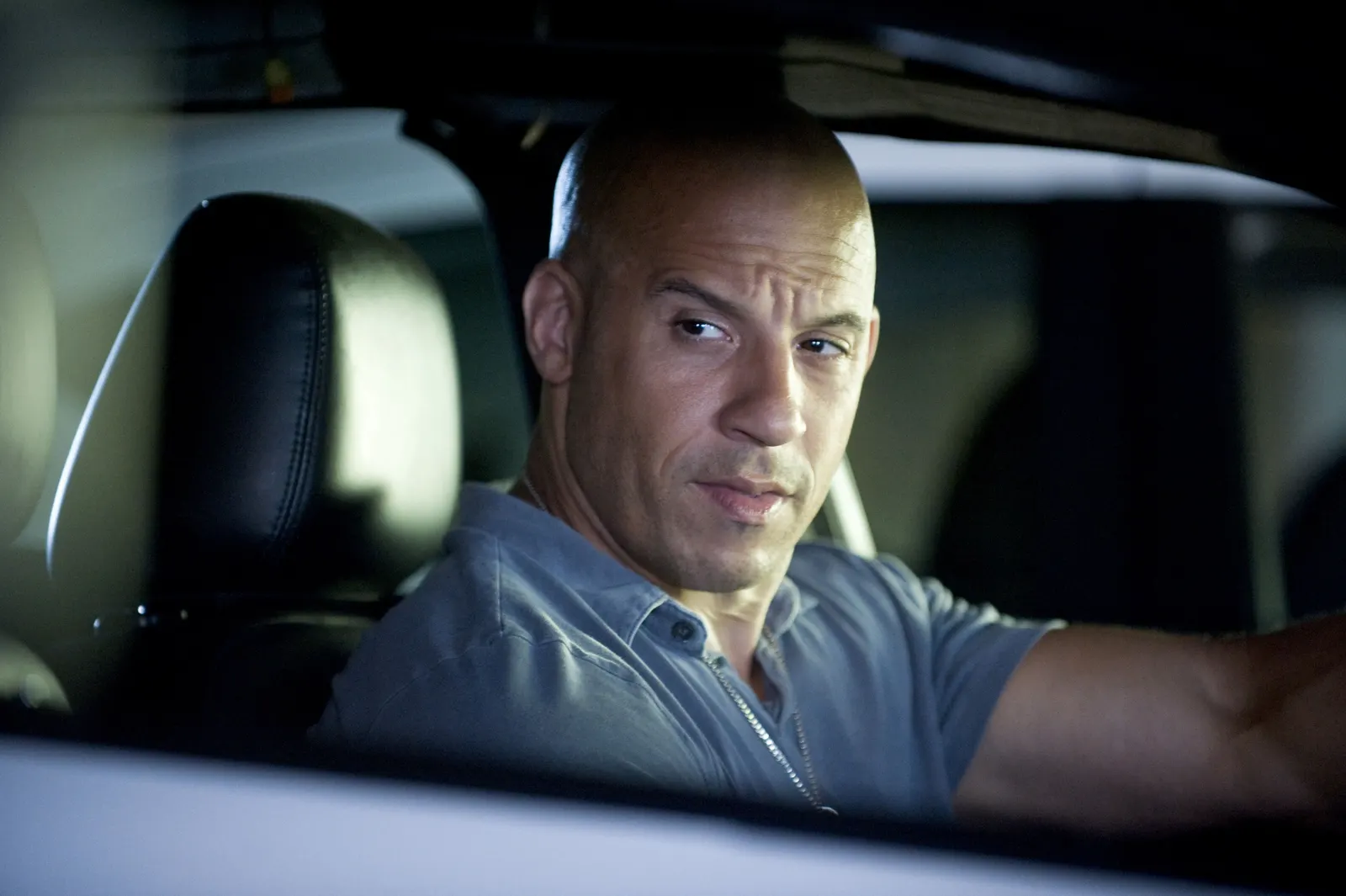
There are films that define a franchise, and then there are films that redefine one entirely. Fast Five, the fifth installment in Universal's seemingly unstoppable racing saga, belongs firmly in the latter category — and its return to Netflix as of August 1 offers a timely reminder of just how precisely crafted it remains, according to Polygon.
A Pivot That Changed Everything
The early Fast & Furious entries were, at their core, street-racing pictures — a subgenre with a ceiling, both narratively and cinematically. By the fourth film, that ceiling was becoming uncomfortably apparent. Fast Five broke through it by abandoning the racing circuit almost entirely and transplanting Vin Diesel's Dominic Toretto and Paul Walker's Brian O'Conner into the grammar of the heist film — a genre with a rich Hollywood lineage running from Rififi through The Italian Job to Heat. The result was a movie that felt genuinely alive in ways its predecessors only occasionally managed.
Set largely in Rio de Janeiro, the film follows Dom, Brian, and an assembled crew of familiar faces as they scheme to relieve a corrupt businessman of $100 million, all while being hunted by a tenacious DSS agent played by Dwayne Johnson in what amounted to a franchise-revitalizing piece of casting. The plot mechanics are straightforward enough — outlaws stealing from a villain, a structure as old as the Western — and that simplicity is precisely what gives the film its propulsive clarity.
Practical Craft in a CGI Era
What separates Fast Five from the spectacle-heavy installments that followed it is a commitment to tangible, location-grounded filmmaking. The centerpiece vault heist — two Dodge Chargers dragging an enormous bank safe through the streets of what was actually Puerto Rico standing in for Rio — was executed with a functioning, destructible vault prop. Real cars smashed into real things, and the camera captures that weight and consequence in a way that digital compositing rarely replicates. As the later films escalated toward the surreal — culminating most notoriously in F9's brief detour into low Earth orbit — the series traded that physical authenticity for a kind of cartoon grandeur. Impressive at times, certainly, but something fundamentally different.
The Brotherhood at the Center
Beyond its action architecture, Fast Five works because it earns its emotional stakes. It is the first film in which Dom and Brian spend the entire runtime genuinely on the same side, and the revelation that Mia — Dom's sister, Brian's partner — is pregnant transforms their partnership into something irreversible. They become family in the literal sense, cementing the theme that the franchise has always insisted upon but rarely dramatized so effectively. Walker's natural ease and charm made Brian O'Conner one of cinema's more underappreciated action protagonists, and Fast Five is arguably his finest hour in the role. His absence in subsequent entries, necessitated by his tragic death during production of Furious 7, left a gap that no amount of creative workaround has fully filled.
Looking Ahead to Fast Forever
With Vin Diesel having kicked off production on the franchise's final chapter and calling the Fast Forever script the best he has read in decades, expectations are understandably high. Diesel has publicly stated that he wants the concluding film to return to Los Angeles, revisit street racing, and feature a reunion between Dom and Brian. The first wish is reasonable; the second risks retreating to the formula the franchise already outgrew; and the third, while emotionally understandable, raises serious questions about digital resurrection that the poignant farewell of Furious 7 arguably rendered unnecessary — and perhaps inadvisable.
Fast Five's enduring lesson is that the series thrives when it commits to a coherent genre framework, grounds its spectacle in physical reality, and trusts its characters to carry the emotional weight. Whether Fast Forever absorbs that lesson remains to be seen. In the meantime, the vault scene is waiting on Netflix — and it still holds up.
Related on Ni4o: Vin Diesel Kicks Off Production on Final Fast & Furious Chapter
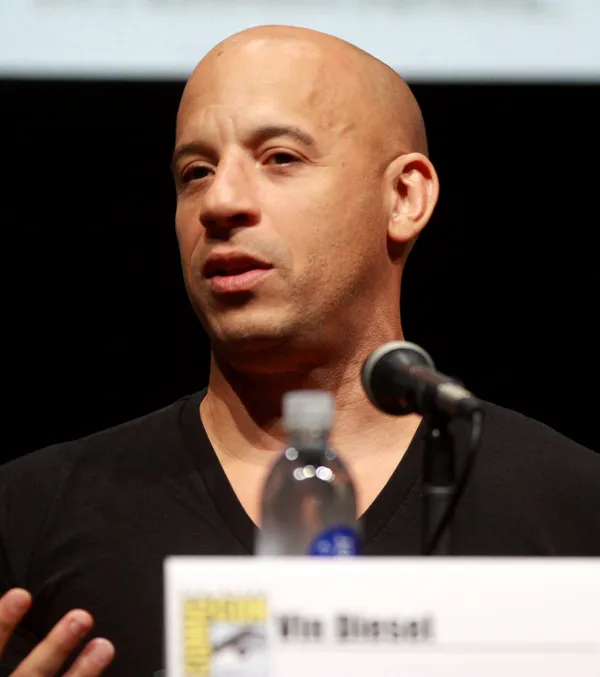 ProfileVin DieselActor & producer
Related

Randy Quaid Slams Anne Hathaway Casting in Days of Thunder Sequel
Randy Quaid, who appeared in the original 1990 film, took to X to demand Nicole Kidman's return and dismiss the Hathaway announcement.

Eva Mendes' 'de Gosling' Tattoo Is the Only One She's Ever Wanted
Eva Mendes is showing off her wrist tattoo again — a small but meaningful piece of ink that carries a deep cultural significance.
Steven Spielberg's 'War of the Worlds' Returns to Streaming Amid Debate
Steven Spielberg's 'War of the Worlds' is hitting HBO Max next month, reigniting discussions on its mixed reception.