Wagner Moura Forces the Audience to Answer for Itself in Edinburgh

The Brazilian star takes on Ibsen in a provocative reimagining at the Edinburgh International Festival that challenges the very idea of spectatorship.
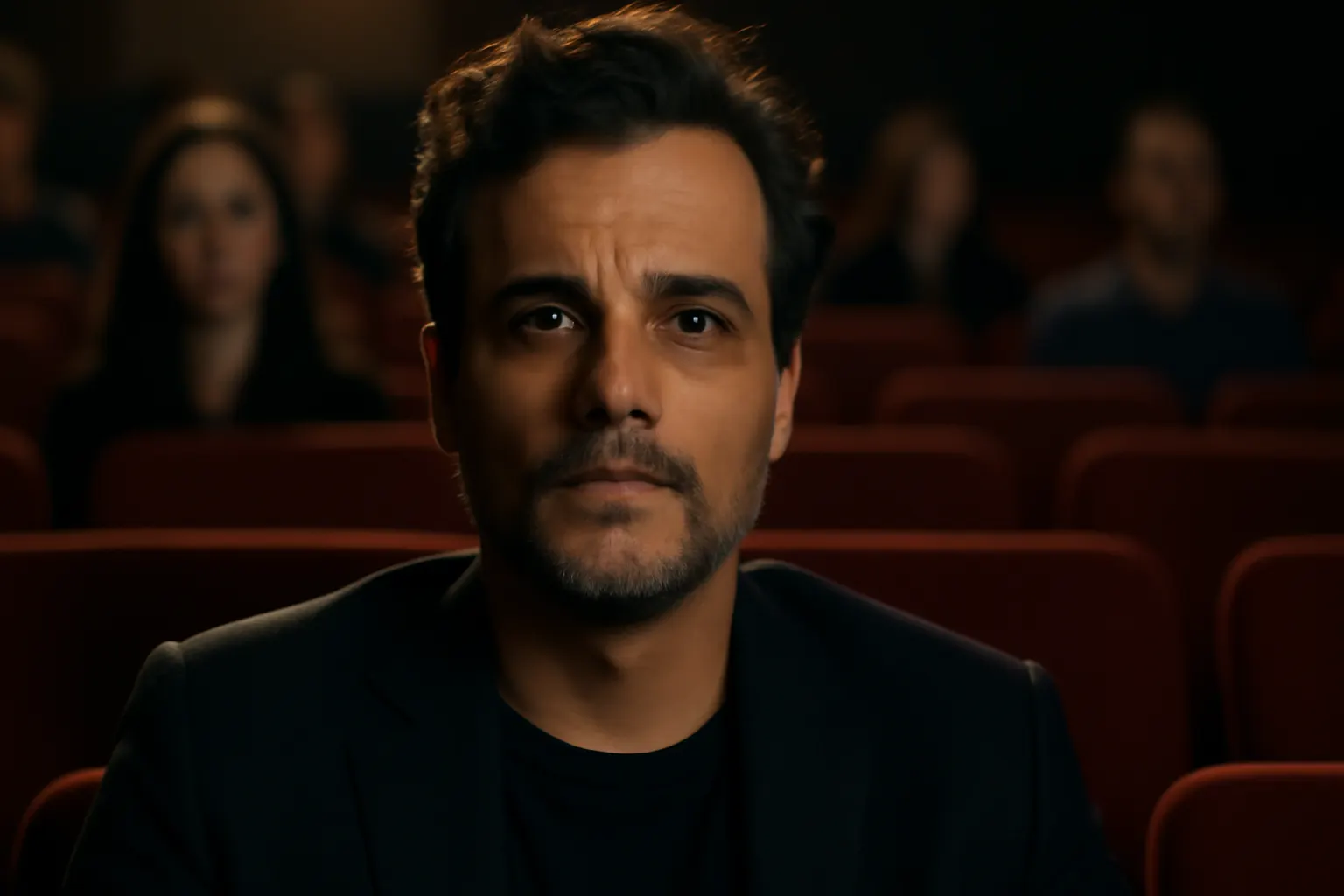
Wagner Moura has never been an actor who plays it safe — from his barnstorming turn as Pablo Escobar in Narcos to his physically demanding work in Elysium, he gravitates toward roles that implicate the audience in something uncomfortable. His latest project suggests that impulse is alive and well, this time on the theatrical stage in Scotland.
A Classic Text, Radically Reimagined
At the Edinburgh International Festival, Brazilian director Christiane Jatahy has mounted a bold, contemporary adaptation of Henrik Ibsen's An Enemy of the People — the 1882 drama in which a principled doctor exposes environmental contamination in his town, only to be turned on by the very community he sought to protect. The play has long served as a touchstone for questions about institutional truth-telling and collective denial, and Jatahy's version places those questions squarely in the laps of the people watching. According to The New York Times Arts, the production — which features Moura in a central role — proved to be a demanding but ultimately rewarding theatrical experience, one that made the distinction between observer and participant feel genuinely unstable.
Ibsen's work has attracted politically engaged artists for well over a century, most notably Arthur Miller, who adapted An Enemy of the People in 1950 as a pointed commentary on McCarthyism. Jatahy and Moura appear to be continuing that tradition of wielding the play as a mirror directed at whatever particular anxieties haunt the present moment.
Moura as a Stage Presence
For audiences who know Moura primarily through screen work, seeing him operate in a live theatrical context is a reminder of just how much his performances rely on physical and vocal presence rather than the camera's capacity to catch micro-expressions in close-up. The Edinburgh staging apparently exploits that quality directly, constructing a format in which the boundary between the drama unfolding onstage and the ethical choices of the assembled crowd becomes deliberately blurred.
This kind of immersive or participatory structure has become more common in European avant-garde theater over the past decade, but it carries a particular charge when the performer at its center has Moura's screen profile. He's the kind of actor — much like those who've recently made waves straddling platform prestige and festival circuit credibility, such as Hugh Jackman in his recent Prime Video hit — whose mainstream recognizability can be turned into a dramaturgical tool, weaponizing the audience's comfort with his familiar face.
The Trial the Audience Doesn't Expect to Be In
What makes Jatahy's concept especially resonant is its insistence that passive consumption is itself a form of complicity. The structure places the theatergoers in the position of the townspeople in Ibsen's original — those who ultimately vote to silence the doctor because the truth he carries is too inconvenient to accept. To sit in that audience is, by design, to feel the weight of that choice.
Moura, who has spoken openly about the political dimension of his creative choices — including in interviews touching on projects like The Last House and its potential continuation — seems ideally suited to a production that refuses to let viewers off the hook. His work has consistently engaged with power, corruption, and the moral costs of looking away.
A Festival Moment Worth Tracking
The Edinburgh International Festival has long been a place where ambitious international theater finds its most receptive audiences, and this production sounds like one of its more genuinely challenging offerings this season. Whether it travels further — to London, New York, or beyond — remains to be seen, but for those in Scotland, Jatahy and Moura appear to have created something that lingers well past curtain call.
In an era when so much screen entertainment is engineered to make watching feel consequence-free, a production that puts the audience itself on trial feels like a necessary provocation.
Related on Ni4o: Wagner Moura Opens Up About The Last House Sequel Prospects
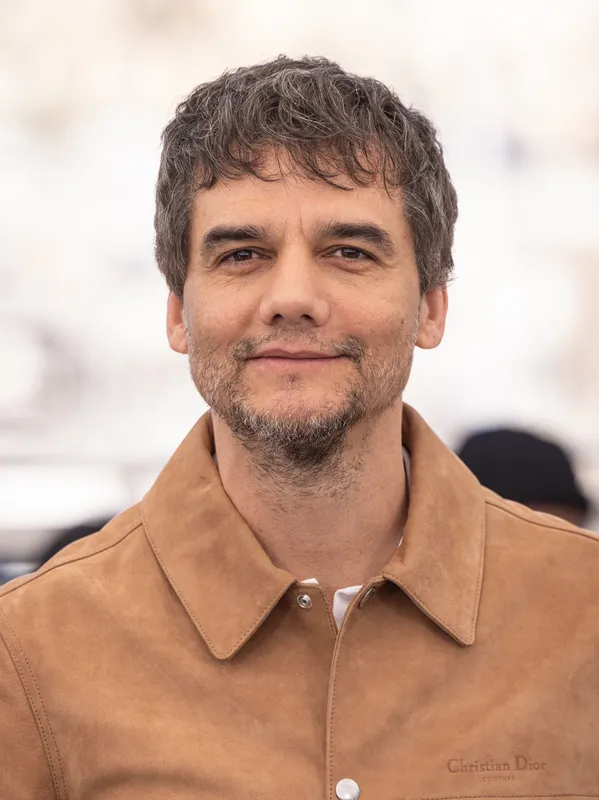 ProfileWagner MouraActor & director
Related
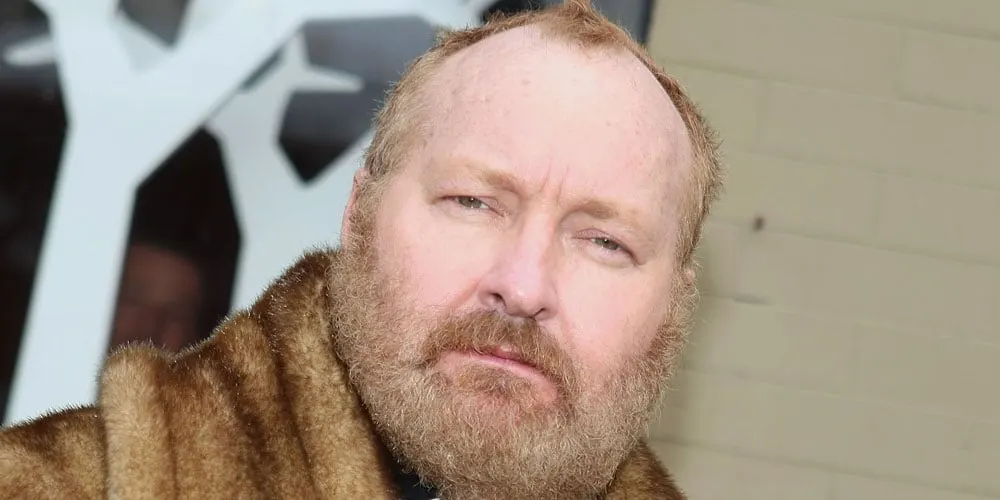
Randy Quaid Slams Anne Hathaway Casting in Days of Thunder Sequel
Randy Quaid, who appeared in the original 1990 film, took to X to demand Nicole Kidman's return and dismiss the Hathaway announcement.
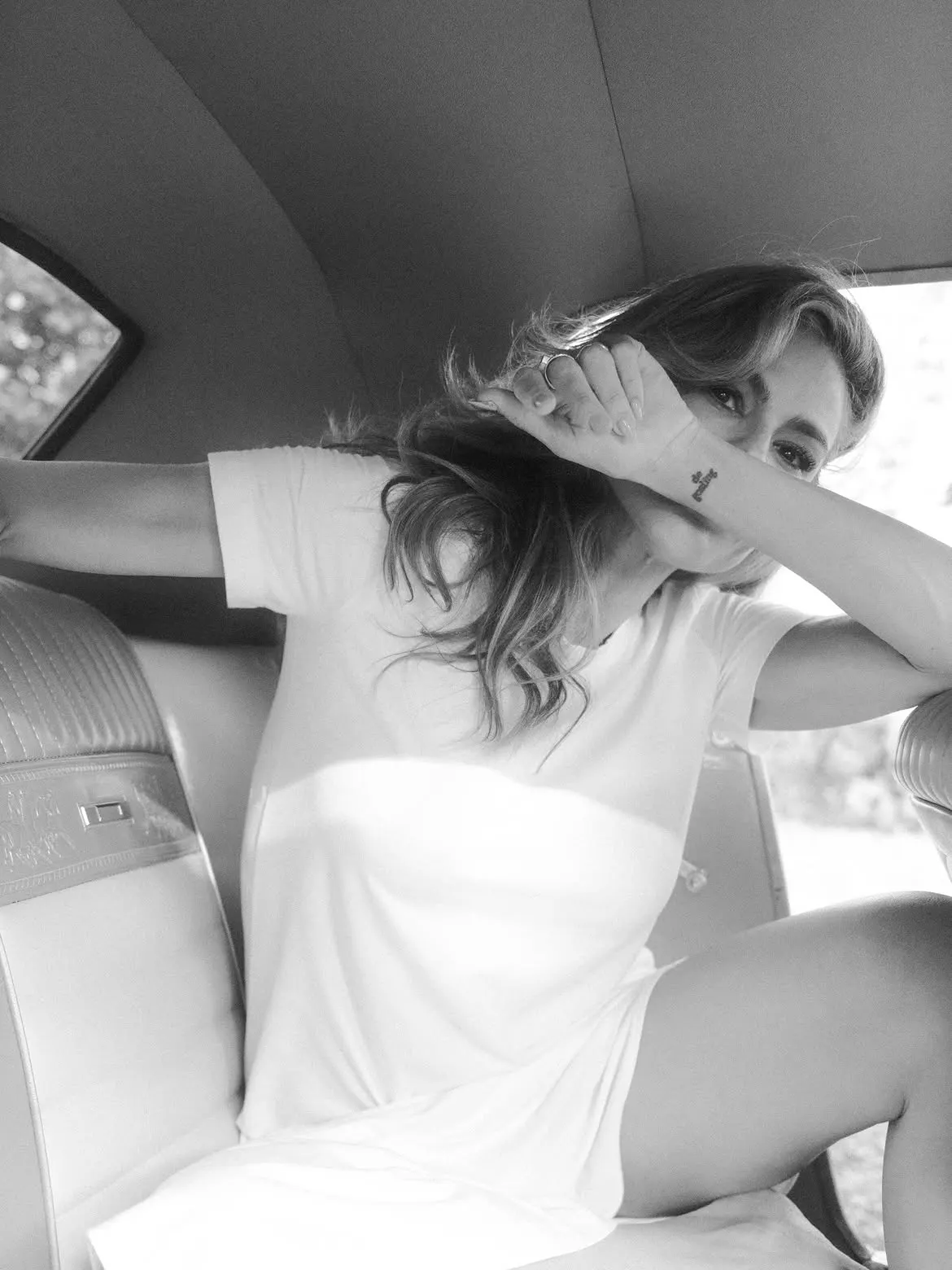
Eva Mendes' 'de Gosling' Tattoo Is the Only One She's Ever Wanted
Eva Mendes is showing off her wrist tattoo again — a small but meaningful piece of ink that carries a deep cultural significance.
Steven Spielberg's 'War of the Worlds' Returns to Streaming Amid Debate
Steven Spielberg's 'War of the Worlds' is hitting HBO Max next month, reigniting discussions on its mixed reception.