Trump Set to Create Board That Could Block 'Woke' NIH Research Grants
A proposed executive order would place a new oversight committee with veto power over NIH biomedical grant awards, bypassing traditional peer review.
The Trump administration is preparing to issue an executive order that would establish an external board with the authority to block National Institutes of Health grant funding deemed inconsistent with the president's political priorities. The move, which has not yet been formally announced, represents one of the most direct attempts yet by the White House to exert ideological control over federally funded scientific research.
What the Proposed Board Would Do
According to reporting by The Guardian World, drawing on accounts first published by the Washington Post and Politico, the proposed oversight committee would have the power to veto NIH biomedical research awards that do not align with the administration's agenda. The board would reportedly include Russell Vought, director of the White House Office of Management and Budget, and NIH Director Jay Bhattacharya, and any decisions would require unanimous agreement among its members.
The framework under discussion would fundamentally alter how the NIH — the world's largest public funder of biomedical research — awards grants. For decades, the agency has evaluated proposals through a process centered on scientific merit and peer review. Placing veto authority in the hands of a politically appointed board would subordinate that process to the ideological priorities of whoever occupies the White House.
'Woke' Funding in the Crosshairs
Senior administration officials raised concerns about NIH-backed research during a meeting on Friday, characterizing certain grants as "woke" initiatives that conflict with Trump's policy goals. Vought, whose office is responsible for implementing presidential directives across the executive branch, reportedly advocated for reshaping federal research spending to reflect the administration's worldview.
Bhattacharya, who leads the NIH, reportedly pushed back on those positions during the Friday meeting, defending the agency's existing grant-making process and expressing resistance to broad cuts in federal research investment.
This tension at the top of the administration mirrors a wider pattern. Since the start of Trump's second term, billions of dollars in federal grants spanning health, nutrition, environmental science, and disaster relief have been frozen or terminated. Research proposals containing terms such as "equity," "gender," "climate change," and "racist" have been flagged for review, effectively stalling or ending funding for entire lines of scientific inquiry. The administration's aggressive posture on federal spending has extended well beyond scientific agencies, as seen in its approach to Trump Stalls Bipartisan Housing Bill Over SAVE Act and repeated confrontations over budget priorities.
Legal Challenge Already Underway
The reported plan arrives as the NIH faces a class-action lawsuit filed by researchers who argue the administration has weaponized its funding authority to suppress scientific viewpoints that conflict with the president's agenda. The plaintiffs contend that terminating and obstructing grants on ideological grounds constitutes a violation of the First Amendment.
"What the First Amendment does not allow is the government's use of its funding power to target or silence the expression of disfavored viewpoints within the biomedical research community," the lawsuit states.
Legal observers note that the establishment of a new veto board could deepen the constitutional questions already before the courts, potentially broadening the scope of ongoing litigation.
Broader Pattern of Executive Control
The proposed NIH board fits into a recognizable pattern of executive action under Trump's second term, during which the White House has moved aggressively to bring federal agencies and their funding streams into closer alignment with the president's priorities. As detailed in reporting on Trump Reports $2.2 Billion in Revenue During Second Term's Initial Year, the administration has maintained a high operational tempo across multiple policy fronts simultaneously.
The Department of Health and Human Services, which oversees the NIH, and the White House did not respond to requests for comment at the time of publication. The executive order had not been formally signed as of the latest available reporting.
Related on Ni4o: Trump Stalls Bipartisan Housing Bill Over SAVE Act
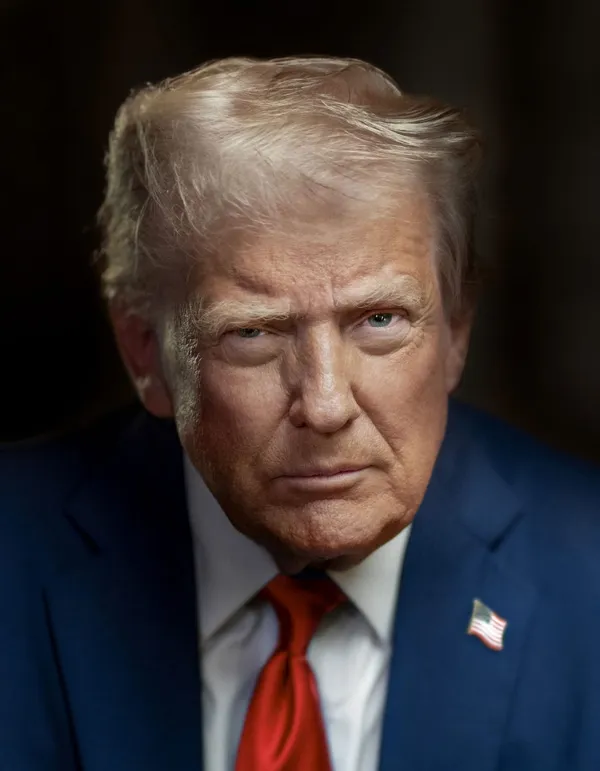 ProfileDonald Trump45th and 47th President of the United States
Related
California Senate Passes Post-Production Tax Bill; Newsom Must Act
SB 2319 cleared the California State Senate 33-5, creating a dedicated post-production tax incentive as the L.A. film industry continues to shrink.

Netanyahu Condemns West Bank Attack on NBC News Team as Settler Violence Escalates
Masked settlers assaulted an NBC News crew and a Palestinian woman in Jalud, injuring four journalists and drawing condemnation from Israel's prime minister.

Park Service Backs Trump Arch Despite Threat to DC Landmark Sightlines
A federal report endorses the proposed 250-foot gilded arch while acknowledging it will disrupt the visual integrity of dozens of historic Washington sites.