Trump Reverses Course on Immigration, Declares 'No Amnesty' After Base Backlash

President Trump walked back remarks suggesting his deportation policy was 'too tough,' firmly stating Monday that no amnesty would be offered under his administration.
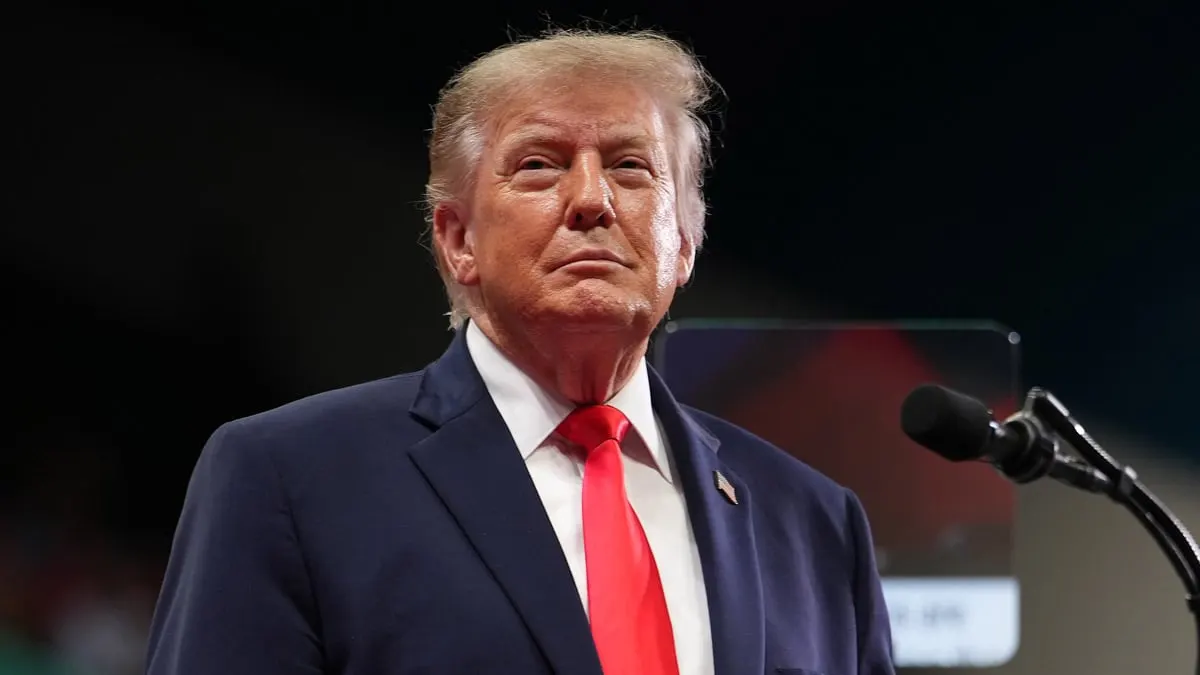
President Donald Trump has moved swiftly to reverse remarks he made during a televised interview in which he appeared to soften his stance on immigration enforcement, following sharp criticism from his core supporters. The about-face came just days after the 2026 midterm elections delivered significant Democratic gains across Congress and state governorships.
The Original Comments
In a wide-ranging sit-down interview with 60 Minutes — his first extended public conversation since the midterm results — Trump offered what many observers read as an unusually conciliatory position on immigration. While he awarded himself an "A+" for border security and removing what he described as dangerous individuals from the country, he acknowledged that his enforcement approach "was too tough" in certain cases.
Trump pointed specifically to undocumented immigrants with stable employment histories and limited legal infractions — people working, in his words, at landscaping companies, hotels, and similar industries, some of whom were paying taxes. He suggested there was genuine division in the country over whether such individuals should face removal, and indicated a willingness to work with the incoming Democratic-controlled Congress on a legislative path forward, according to Just Jared.
The remarks immediately set off alarm bells among immigration hardliners who viewed any concession as a betrayal of one of Trump's most foundational campaign commitments.
The Reversal
By Monday, November 9, Trump appeared at a press conference and drew a firm line. "There's no amnesty," he stated plainly. "There won't be amnesty. Somebody suggested, will there be amnesty? No." He added that his policy had not changed.
The rapid reversal underscores a recurring tension in Trump's second term: balancing governance realities with the expectations of a base that helped return him to the White House on promises of strict immigration enforcement. Any perceived retreat on that front carries measurable political risk, particularly as the administration prepares to navigate a divided legislative landscape.
This dynamic is not unique to immigration. Trump has faced similar crosscurrents on domestic policy in other areas — including disputes over bipartisan legislation on Capitol Hill — where his instincts toward dealmaking have occasionally collided with his political brand.
The Political Stakes
The episode illustrates the delicate position Trump occupies heading into the back half of his second term. Democrats now control both chambers of Congress as well as a majority of governorships, giving them meaningful leverage over any legislative agenda — including immigration reform. Trump's initial suggestion that he could work across the aisle was likely a signal of that new political reality.
However, with a vocal and organized base that views amnesty as a categorical red line, Trump appears to have calculated that the cost of that rhetorical opening was too high. His administration has staked considerable political capital on immigration enforcement as a defining achievement, and any ambiguity on that front risks fracturing a coalition that remains his primary source of political power.
As Trump continues to manage an administration balancing assertive domestic and foreign postures — from escalating trade disputes with European partners to high-stakes diplomatic engagements abroad — immigration is likely to remain one of the most combustible fault lines of his second term.
What Comes Next
Whether Trump's clarification fully quiets the backlash within his base remains to be seen. The 60 Minutes interview covered a broad range of topics beyond immigration, including Iran policy, artificial intelligence, and questions about his potential successors — subjects that may generate additional scrutiny in the days ahead.
For now, the administration's official position is unambiguous: no policy change, no amnesty, no path that could be characterized as leniency for undocumented immigrants regardless of their circumstances in the United States.
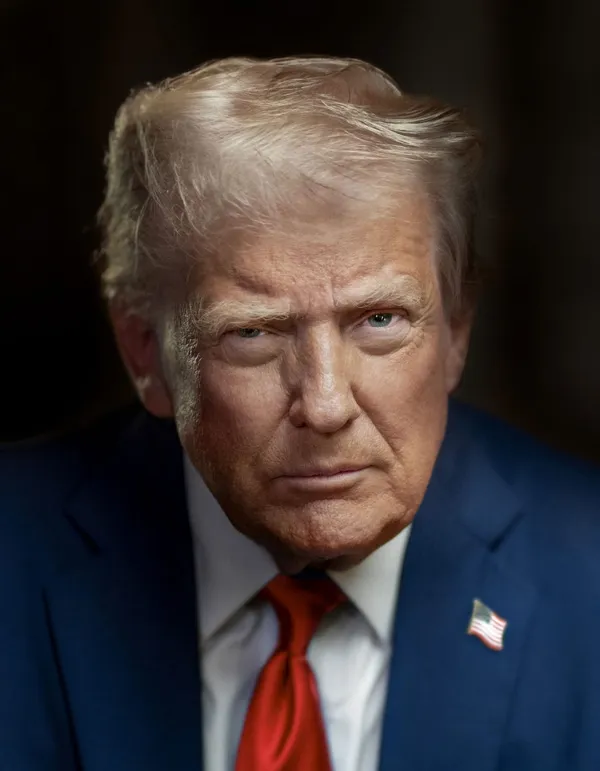 ProfileDonald Trump45th and 47th President of the United States
Related
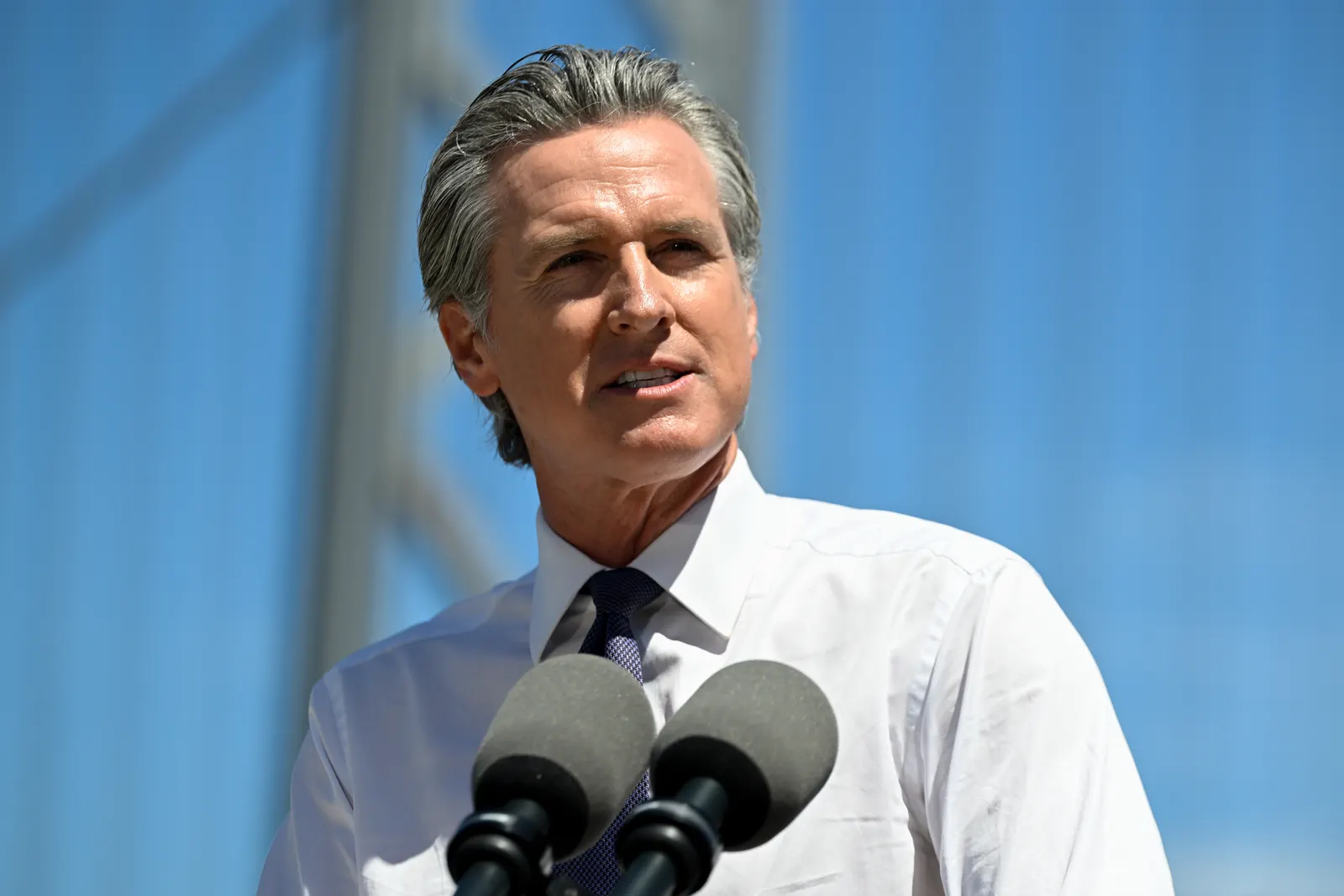
California Senate Passes Post-Production Tax Bill; Newsom Must Act
SB 2319 cleared the California State Senate 33-5, creating a dedicated post-production tax incentive as the L.A. film industry continues to shrink.

Netanyahu Condemns West Bank Attack on NBC News Team as Settler Violence Escalates
Masked settlers assaulted an NBC News crew and a Palestinian woman in Jalud, injuring four journalists and drawing condemnation from Israel's prime minister.

Park Service Backs Trump Arch Despite Threat to DC Landmark Sightlines
A federal report endorses the proposed 250-foot gilded arch while acknowledging it will disrupt the visual integrity of dozens of historic Washington sites.