Trump Media Ban Sparks Major Networks' Response

Major U.S. networks suspend coverage of Trump after administration bans journalists from key outlets. The situation raises concerns over press freedom.
In a significant development regarding media access and press freedoms, several major U.S. television networks have decided to halt their coverage of Donald Trump following a controversial ban placed on journalists from select outlets by the White House. This unprecedented move has not only raised concerns within the media landscape but also highlighted the ongoing tensions between the Trump administration and the press.
Ban on Journalists
The decision to suspend coverage by networks like ABC, CBS, Fox News, and NBC aligns with the recent actions of the White House, which barred reporters from CNN, MS Now, and Politico from entering its premises. This ban was announced by Trump via his social media outlet, Truth Social, where he expressed frustration with what he described as “purposely negative stories.” The action has been interpreted as an escalation of the ongoing battle between the administration and various media outlets.
As a result, the affected outlets have taken legal action, filing a lawsuit against the Trump administration on Monday. They argue that the ban contravenes their First Amendment rights, asserting the fundamental principle of a free press in a democratic society.
A Shift in Coverage
In light of the ban, the collective of networks that usually shares coverage responsibilities decided to cease broadcasting events involving Trump. This long-held practice, in place since 1950, typically ensures that multiple media outlets can access presidential events. However, the White House’s decision to promote its own direct feed, dubbed “Trump TV,” represents a bold shift in how the administration communicates with the public. This alternative feed promises real-time updates and purportedly filters out what the administration considers distracting noise, presenting a curated image of the presidency.
Implications for Press Freedom
The suspension of coverage poses significant implications for press freedom in the United States. The press pool's effectiveness relies heavily on the cooperation between the White House and various media entities, creating a robust framework for informing the public about presidential activities. In a joint statement, the five major networks emphasized, “The public has a vital interest in receiving accurate, independent information about its government. No administration should restrict a news organization because it objects to its reporting.” This stance underlines the essential role of a free press in ensuring governmental accountability.
As part of their protest, several prominent news organizations, including the Washington Post and the New York Times, have also declared their intention not to publish or distribute any photographs from the White House pool until midnight ET, in solidarity with the banned outlets.
Continuing Developments
While broadcast networks have chosen to suspend televised coverage of Trump, print, radio, and other press formats continue to provide ongoing reports about the president's activities. This distinction illustrates the challenges journalists face in navigating the current media landscape under Trump's administration. As the situation unfolds, this confrontation raises questions about the necessary balance between national security concerns and the public's right to information.
As various stakeholders, including First Amendment advocates, voice their concerns over the ban, the response from the media demonstrates a united front in defense of journalistic integrity. The legal battle initiated by CNN, Politico, and MS Now seeks not only to restore access to the White House but also to reaffirm the principles of a free press amidst ongoing political discourse.
Trump’s administration has characterized the ban as a means of addressing purported threats to national security rather than an attack on press freedoms. This assertion complicates the narrative, making it essential to scrutinize both the implications of media restrictions and the underlying motivations driving such unprecedented actions.
In this rapidly evolving situation, the loss of traditional press presence could reshape the way news is disseminated and consumed during Trump’s presidency. As this controversy develops, it remains critical to track the ongoing legal challenges and their potential repercussions on press freedoms in the United States.
For further insights, readers can explore related articles such as Trump Stalls Bipartisan Housing Bill Over SAVE Act and Trump Meets NATO Chief Rutte Amid Europe Tensions.
Related on Ni4o: Trump Stalls Bipartisan Housing Bill Over SAVE Act
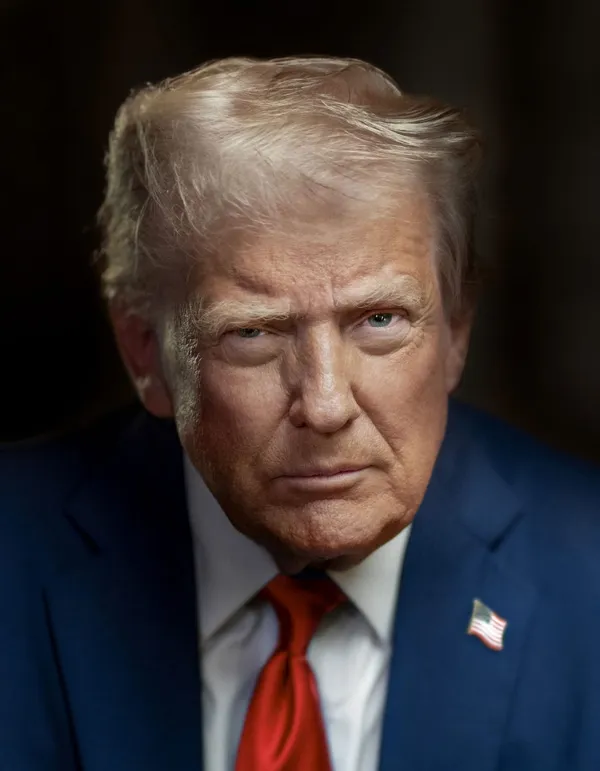 ProfileDonald Trump45th and 47th President of the United States
Related
California Senate Passes Post-Production Tax Bill; Newsom Must Act
SB 2319 cleared the California State Senate 33-5, creating a dedicated post-production tax incentive as the L.A. film industry continues to shrink.

Netanyahu Condemns West Bank Attack on NBC News Team as Settler Violence Escalates
Masked settlers assaulted an NBC News crew and a Palestinian woman in Jalud, injuring four journalists and drawing condemnation from Israel's prime minister.
Park Service Backs Trump Arch Despite Threat to DC Landmark Sightlines
A federal report endorses the proposed 250-foot gilded arch while acknowledging it will disrupt the visual integrity of dozens of historic Washington sites.