Trump Declares New Terminology for AI as 'Super Intelligence'

In a recent executive order, President Trump mandates the term 'Super Intelligence' replace 'artificial intelligence' in all government communications.
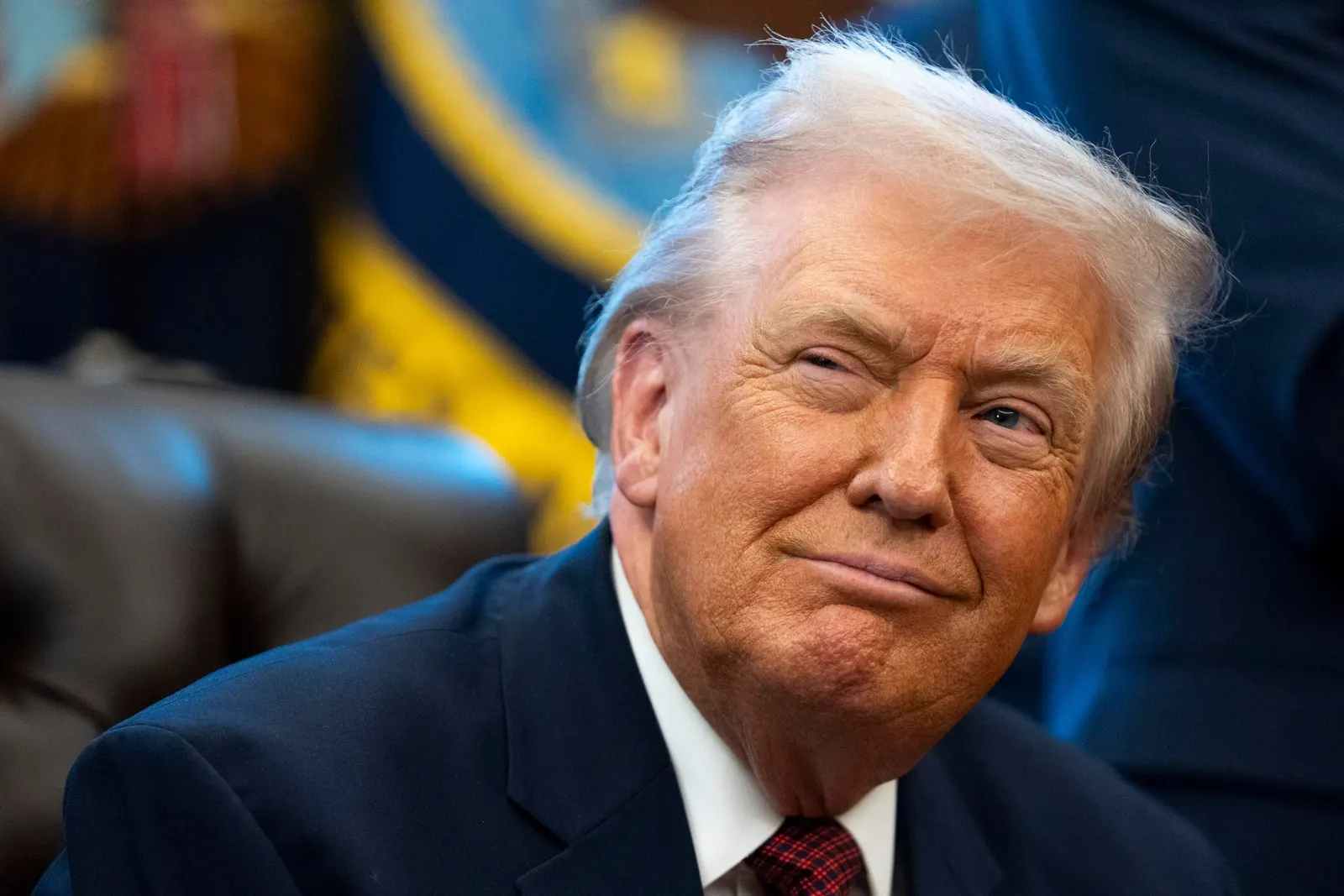
President Donald Trump has signed a new executive order that redefines how the U.S. government will refer to artificial intelligence (AI). From now on, all official communications, including policy documents and press releases, will exclusively use the term "Super Intelligence." This shift aims to provide an optimistic view of the technology, which has become a hot topic among lawmakers and industry leaders alike.
The Reasoning Behind the Shift
During a launch event for America.gov, Trump explained his reasoning: "The word super is the best word of all, and it’s the simplest." He emphasized his belief that the term 'artificial' is misleading, suggesting it diminishes the capabilities of the technology. Trump pointed out that even foreign leaders, including Chinese President Xi Jinping, appreciate this terminological change, stating, "We don’t want to hear artificial. Because it’s not artificial. It’s very powerful, it’s very brilliant."
This directive comes in the wake of a speech Trump delivered at the United Nations General Assembly, where he addressed concerns regarding the rapid advancement of AI. He sought to assuage fears that such technologies might outpace regulations, implying that they would be primarily utilized for positive purposes. "It’s going to mostly be put to good use and we’ll stop the bad use," he declared, framing the narrative in a way that aligns with his administration's approach to technology.
The Implications of 'Super Intelligence'
Under the new policy, federal agencies are not compelled to update existing regulations or documents that reference artificial intelligence. Nevertheless, the move represents a notable and peculiar recalibration of how the government discusses powerful AI technologies. The label of "Super Intelligence" may contribute to a simplistic interpretation of a term used in the tech industry to describe advanced AI systems.
Expectations are high for government officials to refrain from employing terms like "artificial intelligence" in relevant discussions, leading to potential changes in how policies are crafted and communicated.
Discussion with Industry Leaders
The executive order was signed after a meeting at the White House with technology executives and government officials. Trump characterized the discussions as "very productive" and "extremely friendly." Notable attendees included Nvidia CEO Jensen Huang and Tesla’s Elon Musk, both prominent figures in the tech industry.
In these conversations, Trump emphasized a belief in self-regulation within the technology sector, reinforcing the position that oversight from federal agencies like the Department of Justice and the FBI would suffice. He also highlighted the crucial role of local communities in facilitating the expansion of data centers, asserting that these would be beneficial and widely accepted by communities as a source of economic support.
A Changing Landscape
The introduction of the term "Super Intelligence" reflects a broader strategy aimed at reshaping public and governmental perceptions of advanced technologies. By rebranding AI, the Trump administration appears to be working to foster an environment that promotes technological advancement while attempting to address public safety concerns. As this approach takes shape, the practical effects of these changes will be monitored closely by both supporters and critics.
For more developments in Trump’s administration impacting technology and governance, you may be interested in reading about Trump Threatens 100% Tariff on EU Digital Services Tax and Trump Stalls Bipartisan Housing Bill Over SAVE Act.
Related on Ni4o: Trump Stalls Bipartisan Housing Bill Over SAVE Act
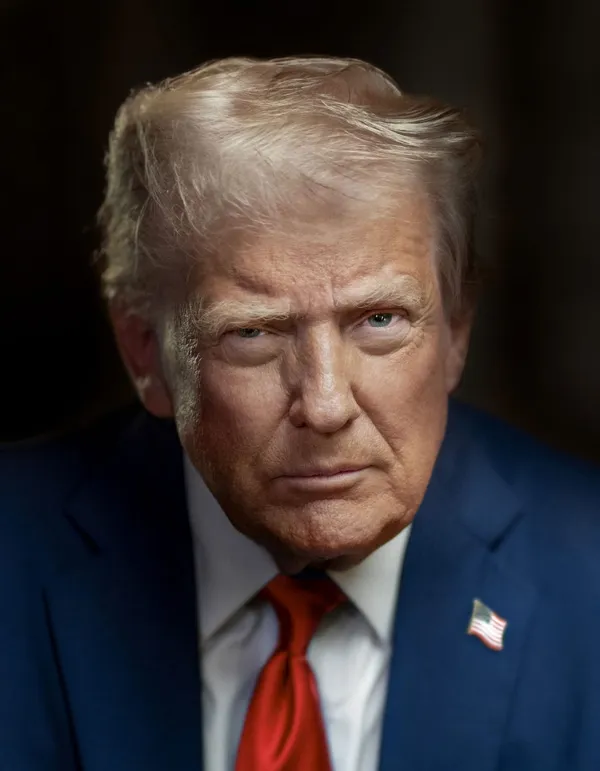 ProfileDonald Trump45th and 47th President of the United States
Related
California Senate Passes Post-Production Tax Bill; Newsom Must Act
SB 2319 cleared the California State Senate 33-5, creating a dedicated post-production tax incentive as the L.A. film industry continues to shrink.

Netanyahu Condemns West Bank Attack on NBC News Team as Settler Violence Escalates
Masked settlers assaulted an NBC News crew and a Palestinian woman in Jalud, injuring four journalists and drawing condemnation from Israel's prime minister.
Park Service Backs Trump Arch Despite Threat to DC Landmark Sightlines
A federal report endorses the proposed 250-foot gilded arch while acknowledging it will disrupt the visual integrity of dozens of historic Washington sites.