Trump Affirms Support for Irish Unification Amid Controversy

Donald Trump has again endorsed the idea of a united Ireland, countering opposition from British officials and reigniting debates about regional stability.
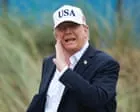
Donald Trump has underscored his backing for the unification of Ireland, dismissing opposition from British political figures during a recent visit to Ireland. The remarks, which some view as politically charged, come at a time of heightened sensitivity regarding Northern Ireland's constitutional status.
Trump's Position on Irish Unification
During his two-day visit, Trump expressed a strong desire to see a united Ireland, stating, "It seems to me that one of the naturals of all time is to put them together." His comments have reignited discussions about the potential for unification in light of the evolving political landscape, particularly following the Brexit referendum.
The president's statements come as he faces criticism from figures like Andy Burnham, the British mayor of Greater Manchester, who has asserted that there is insufficient support for a referendum on unification. Trump, however, seemed unfazed by these views, emphasizing that significant events might unfold regardless of the current political stance.
Reactions from Political Leaders
The responses to Trump's remarks have varied widely. The UK's government, particularly Downing Street, continues to uphold the framework set by the 1998 Good Friday Agreement, which requires considerable backing for a referendum to be feasible. Burnham recently described such a move as being “off the table,” reflecting the apprehensions of some British officials.
At the same time, Irish nationalists celebrated Trump's pronouncement as a reflection of growing support for their cause within the United States. Gerry Adams, former leader of Sinn Féin, stated that these sentiments underscore a broad backing among the Irish diaspora for reunification efforts.
Economic Factors and Tariff Revisions
In tandem with his statements on unification, Trump declared the removal of a 10% tariff on Irish whiskey, a move he described as addressing long-standing complaints from industry representatives. The tariff has been perceived as placing Irish whiskey at a disadvantage compared to its competitors, such as Scotch whisky and domestic Northern Irish brands that are unaffected by such tariffs.
"Everyone's been bugging me," Trump mentioned to an enthusiastic crowd at his golf resort in Doonbeg, affirming his decision to alleviate the tariff burden on Irish whiskey producers. This economic gesture complements his political leanings toward Irish unity, further complicating matters for officials in the UK who favor maintaining current territorial boundaries.
Implications for Irish Politics
Trump's enthusiastic endorsement of unification also puts pressure on the Irish government, which has preferred working on cross-border measures rather than pursuing a referendum on unification. Taoiseach Micheál Martin indicated that such comments might lead to overreactions and emphasized the need for a calm response to controversial statements.
Meanwhile, figures from Northern Ireland's unionist community have expressed discomfort with Trump's remarks. Ian Paisley Jr., a former member of the Democratic Unionist Party, reaffirmed the desire of many in Northern Ireland to remain British, indicating that while everyone may hold personal opinions, such views do not reflect the region's stability or identity.
Broader Political Context
Trump's remarks about Irish unification arrive amidst a backdrop of ongoing discussions regarding sovereignty in various regions, including Scotland, where he deferred comment on independence matters. Such statements emphasize the current volatility in political landscapes across the UK and the potential for significant constitutional changes.
As conversations regarding unification and independence continue, the meetings of parties such as the Scottish National Party and Sinn Féin may shape future discourse on these issues. Whether or not Trump's comments will rally broader support for Irish unification remains to be seen, especially against the longer-standing traditions of bipartisan neutrality maintained by previous U.S. administrations.
In a climate fraught with constitutional questions and economic concerns involving tariffs and trade, the implications of Trump's remarks are likely to reverberate for some time.
For more information on related political dynamics, read about Trump's stance on the EU Digital Services Tax or his recent challenges regarding domestic legislation in the the bipartisan housing bill.
Related on Ni4o: Trump Stalls Bipartisan Housing Bill Over SAVE Act · Trump Meets NATO Chief Rutte Amid Europe Tensions · Trump's Freedom 250 Concert Series Unravels as Vanilla Ice Show Rained Out
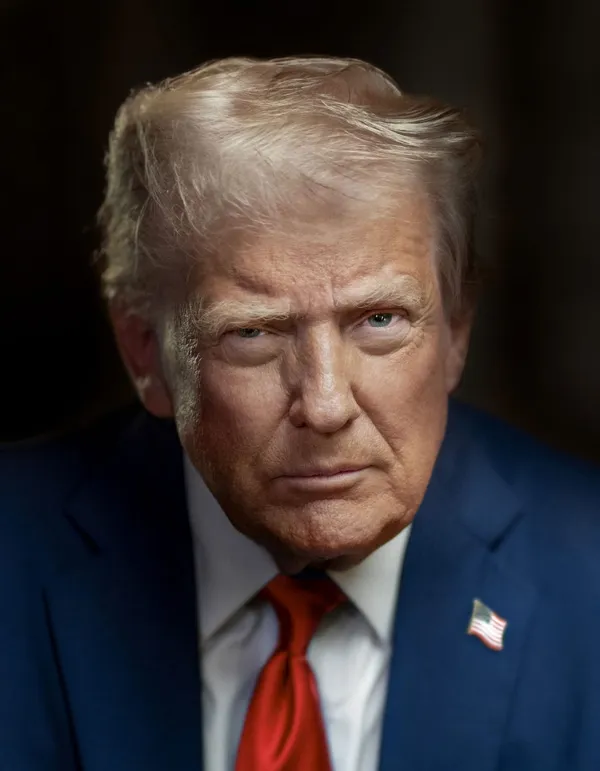 ProfileDonald Trump45th and 47th President of the United States
Related
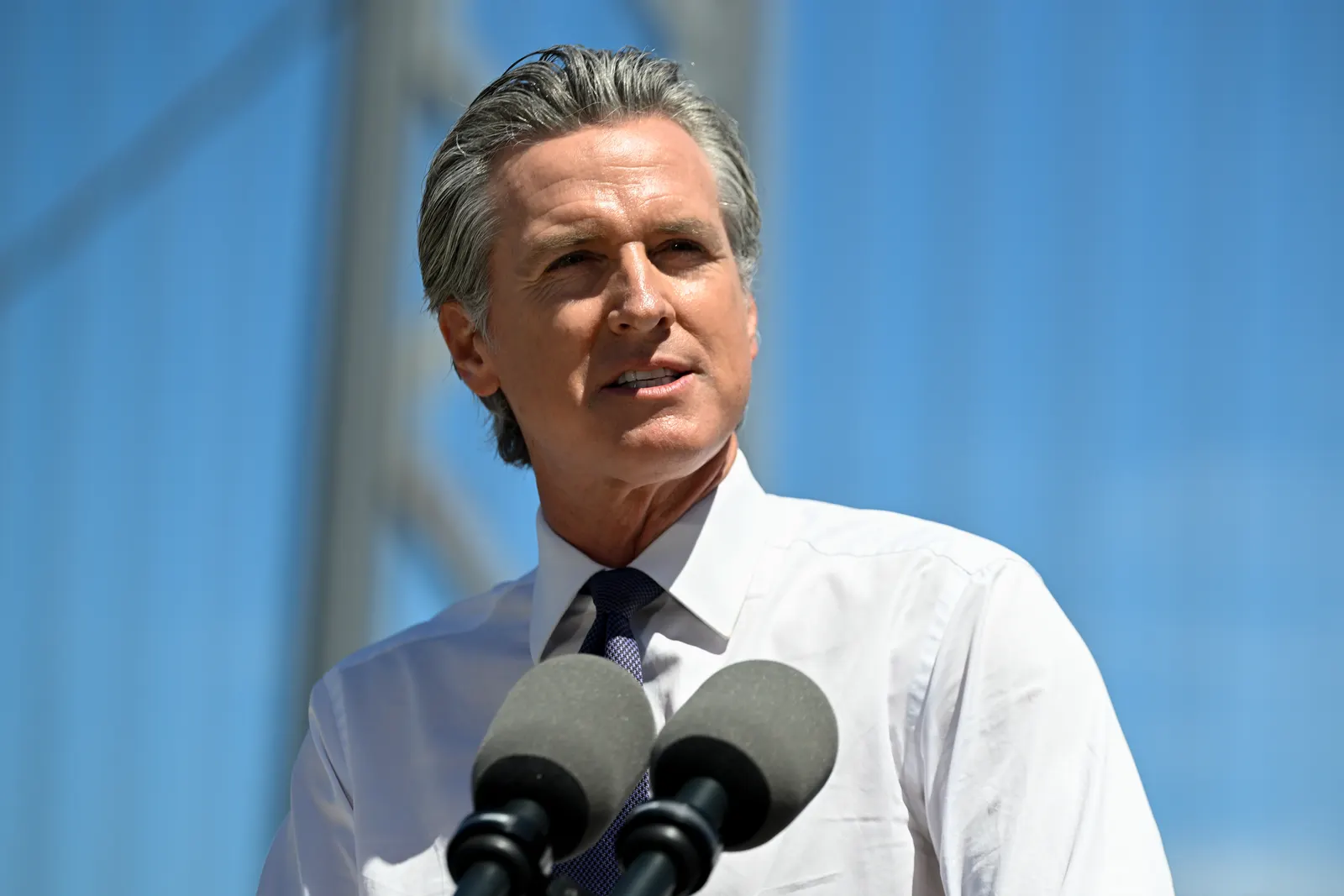
California Senate Passes Post-Production Tax Bill; Newsom Must Act
SB 2319 cleared the California State Senate 33-5, creating a dedicated post-production tax incentive as the L.A. film industry continues to shrink.

Netanyahu Condemns West Bank Attack on NBC News Team as Settler Violence Escalates
Masked settlers assaulted an NBC News crew and a Palestinian woman in Jalud, injuring four journalists and drawing condemnation from Israel's prime minister.
Park Service Backs Trump Arch Despite Threat to DC Landmark Sightlines
A federal report endorses the proposed 250-foot gilded arch while acknowledging it will disrupt the visual integrity of dozens of historic Washington sites.