Travolta on Playing JFK Suspect Roselli: 'He's the Devil'

John Travolta discusses the unsettling distance he felt from his darkest characters, including alleged JFK assassin Johnny Roselli in 'November 1963.'
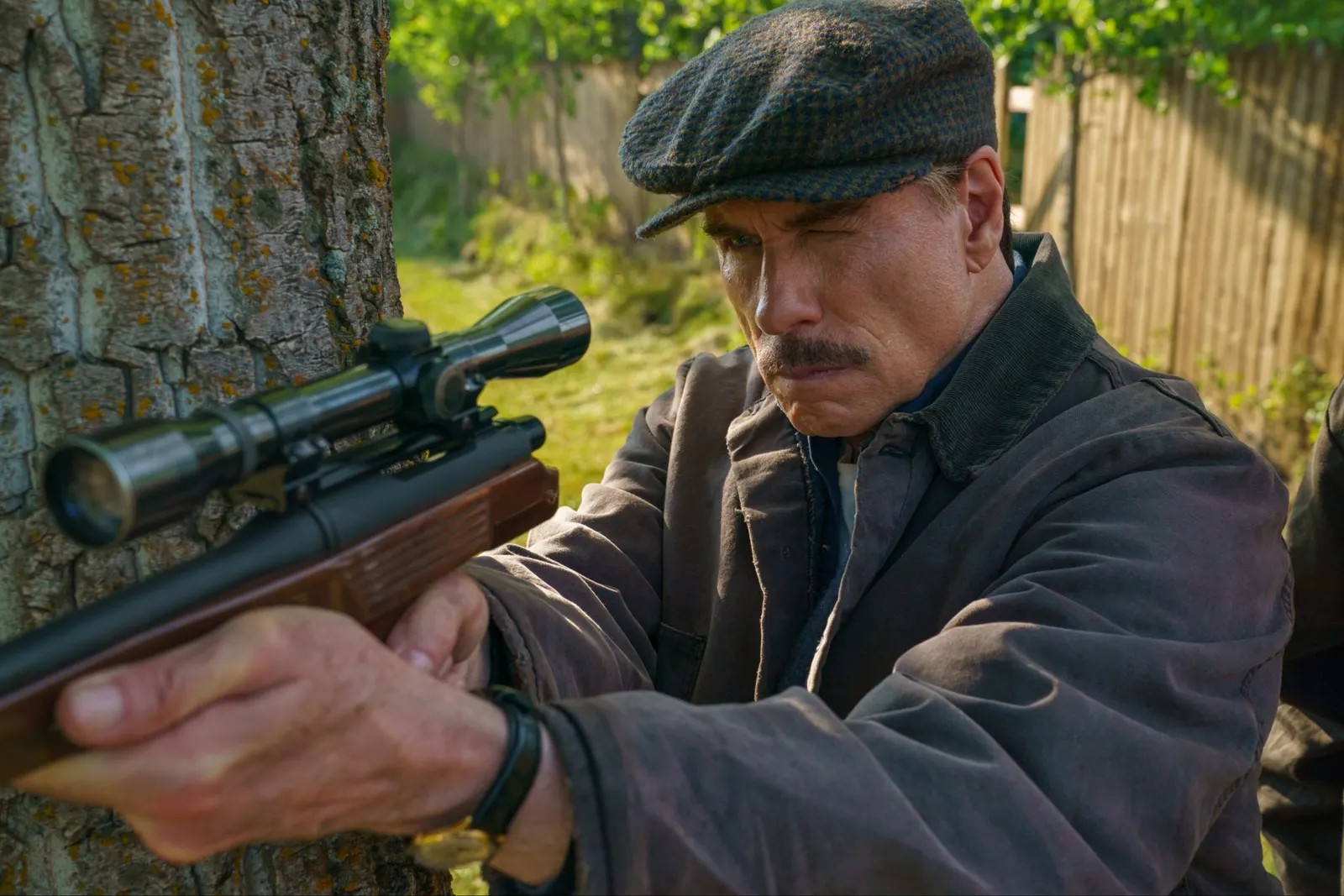
John Travolta has built a career on inhabiting wildly divergent figures — from disco-era dreamers to cold-blooded hitmen — but his latest role may represent his most psychologically demanding departure yet. Speaking candidly about his craft, the actor revealed that emotional identification with a character has never been his professional north star.
A Different Philosophy of Character
Where many actors subscribe to the Stanislavski-adjacent principle of finding personal sympathy within even the most villainous roles, Travolta operates by a different internal logic. According to Variety, he explained that while the industry wisdom holds that performers must locate something to love in every character they play, he has never found that prerequisite personally necessary. What matters to him, he said, is the satisfaction of execution — the quiet triumph of pulling off a convincing transformation. For Travolta, the joy lives not in affection for the person being portrayed, but in the craft of becoming them fully enough to make an audience believe.
It is a distinction that might sound subtle on paper, yet it carries significant implications for how he approaches morally compromised material. Rather than softening a character's edges to find common ground, Travolta appears content — perhaps even energized — by the challenge of embodying people whose worldviews are entirely foreign to his own.
Confronting Johnny Roselli
That philosophy is put to its sternest test in November 1963, in which Travolta portrays Johnny Roselli, the Chicago Outfit figure whose alleged connections to the assassination of President John F. Kennedy have made him one of the most shadowy and debated names in American conspiracy history. By Travolta's own account, the transformation was so complete that, upon watching footage of himself in character, he failed to recognize the person on screen. His reaction, in his own words, was visceral: he reportedly thought he was watching the devil.
That kind of alienation from one's own performance is a rare phenomenon in acting — a sign that the work has crossed from portrayal into something closer to possession. Few roles in recent memory have generated that level of reported dissonance between actor and character, and it speaks to both the intensity of Travolta's preparation and the inherent darkness of the material itself.
A Career Built on Reinvention
What makes this moment particularly interesting in the context of Travolta's filmography is how it echoes earlier pivots that redefined public perception of him. His return to cultural prominence via Quentin Tarantino's Pulp Fiction in 1994 was itself built on a character — Vincent Vega — who required the audience to find charm in moral vacancy. Travolta navigated that tension masterfully, and the instinct he is describing now feels like a matured, more articulate version of the same approach.
The broader landscape of prestige crime and historical drama continues to attract major talent willing to inhabit complex, troubling figures. J.J. Abrams recently spoke about Tom Cruise delivering a similarly boundary-pushing performance in his upcoming project, suggesting that the appetite among A-list actors for psychologically demanding, morally ambiguous work remains strong. Meanwhile, Gal Gadot's turn in In the Hand of Dante on Netflix offers another example of a major star deliberately gravitating toward darker, more demanding material.
The Craft Beneath the Discomfort
Ultimately, what Travolta's comments illuminate is a veteran performer who has long since moved past the need for validation through relatability. For an actor who has navigated decades of cultural peaks and valleys with his reputation for reinvention intact, the ability to look at his own reflection and see a stranger — and to find that disquieting reaction professionally satisfying — is itself a testament to how seriously he continues to take the work. November 1963 may well be the role that reminds wider audiences exactly why that reputation endures.
Related on Ni4o: Hugh Jackman's 'The Sheep Detectives' Becomes a Prime Video Hit
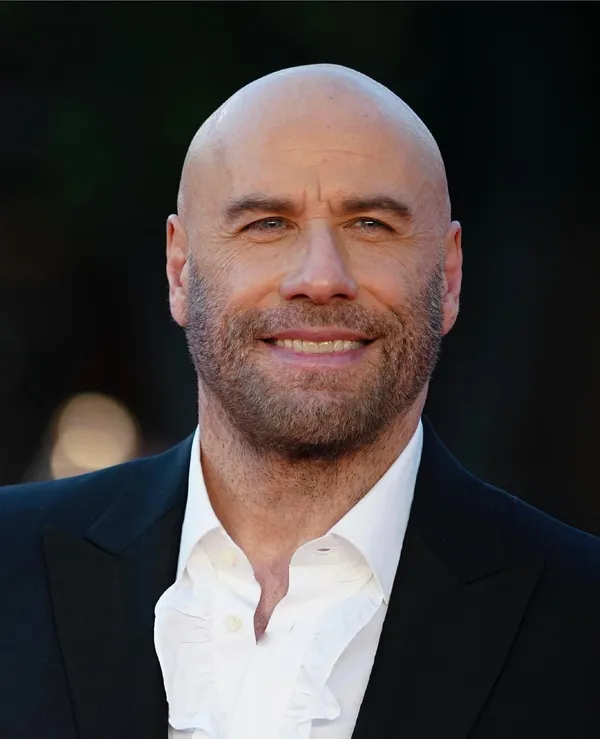 ProfileJohn TravoltaActor
Related
Randy Quaid Slams Anne Hathaway Casting in Days of Thunder Sequel
Randy Quaid, who appeared in the original 1990 film, took to X to demand Nicole Kidman's return and dismiss the Hathaway announcement.
Eva Mendes' 'de Gosling' Tattoo Is the Only One She's Ever Wanted
Eva Mendes is showing off her wrist tattoo again — a small but meaningful piece of ink that carries a deep cultural significance.
Steven Spielberg's 'War of the Worlds' Returns to Streaming Amid Debate
Steven Spielberg's 'War of the Worlds' is hitting HBO Max next month, reigniting discussions on its mixed reception.