Shutter Island's Ending, Fully Unpacked: What Scorsese's Film Really Says

More than a decade on, Martin Scorsese's psychological thriller still provokes debate. Here's a close reading of what the ending genuinely means.
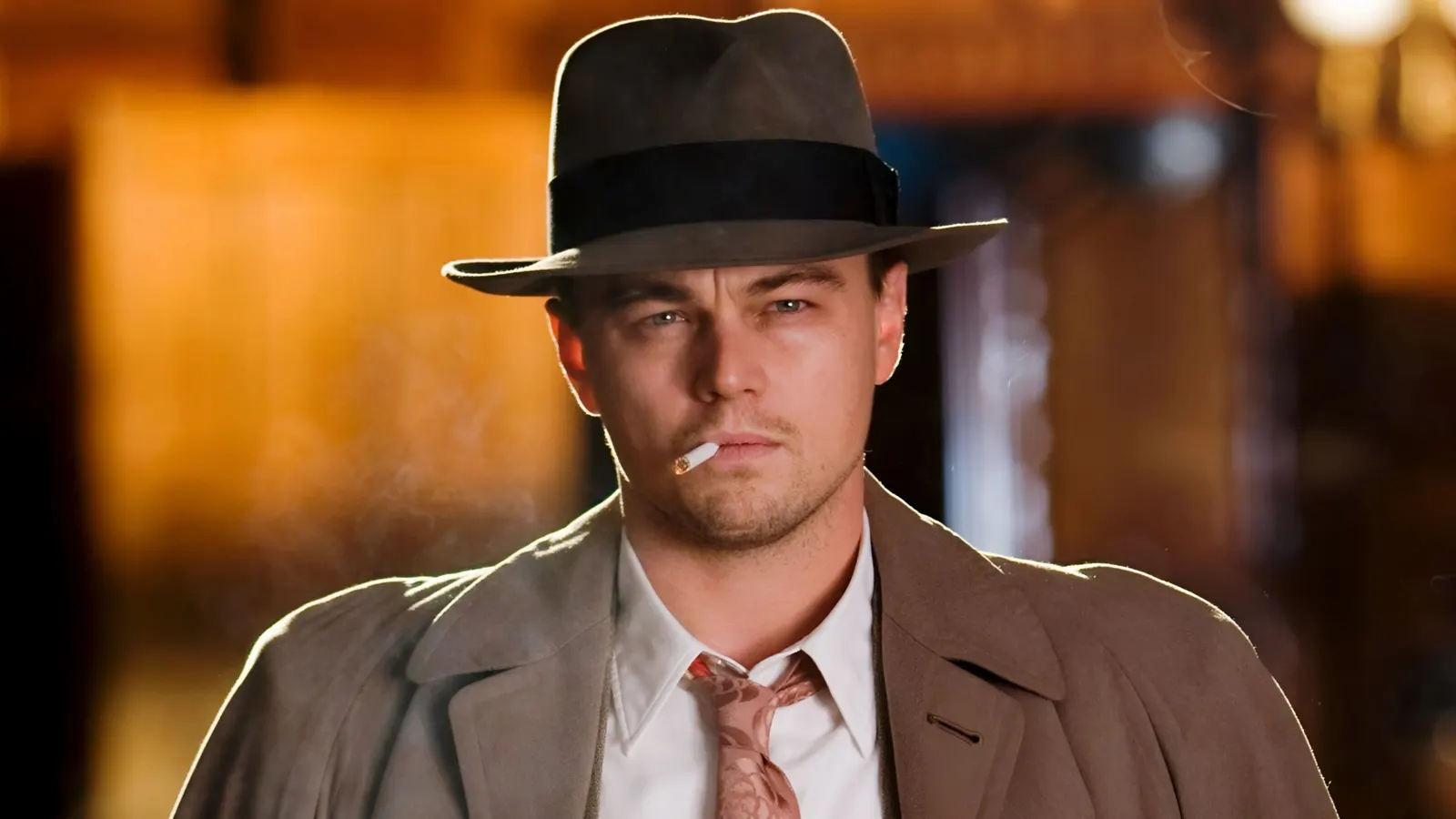
Few films released in the past fifteen years have generated as persistent a conversation about their conclusions as Martin Scorsese's Shutter Island (2010). Adapted from Dennis Lehane's novel, the picture operates as both a classically styled period thriller and a deeply layered psychological study — and its final act continues to divide audiences who encounter it for the first time and those revisiting it with fresh eyes.
The Central Truth the Film Is Building Toward
According to ScreenRant, the seemingly open question at the heart of Shutter Island is actually resolved with considerable clarity once you examine the full architecture of the narrative. Leonardo DiCaprio's character, who presents himself as U.S. Marshal Teddy Daniels, is in reality Andrew Laeddis — designated Patient 67 at the Ashecliffe psychiatric facility on the island. His elaborate identity as a federal investigator is not a government conspiracy or an institutional frame-up; it is a delusion, carefully constructed by a traumatized mind seeking refuge from an unbearable truth. Laeddis killed his wife, Dolores, after she drowned their children — a catastrophic unraveling rooted in his failure to confront her severe depression, a failure compounded by his own alcoholism and the post-traumatic damage he carried home from World War II.
The Therapeutic Gamble at the Story's Core
What makes Shutter Island more sophisticated than a standard twist thriller is the moral complexity woven into its institutional setting. Dr. Cawley, played with quiet authority by Ben Kingsley, and the man posing as Teddy's partner Chuck — actually Andrew's primary psychiatrist, Dr. Sheehan (Mark Ruffalo) — design an elaborate role-playing scenario as a final effort to draw Laeddis back to reality through immersion rather than force. It is, in clinical terms, a radical and risky gambit, and it exists in direct opposition to the philosophy held by Dr. Naehring (Max von Sydow) and the facility's Warden (Ted Levine), who favor pharmacological suppression and, ultimately, lobotomy. Scorsese, a filmmaker always attuned to institutional power — a quality visible throughout his career, as explored in discussions like Scorsese, Tarantino Open Up in Robert Richardson Documentary — frames this tension between compassion and control as the film's genuine moral spine.
The Anagram Architecture and the Law of Four
The screenplay plants its clues through language itself. "Edward Daniels" is an anagram of "Andrew Laeddis," and "Rachel Solando" — the name of the missing patient Teddy has been sent to find — rearranges into "Dolores Chanal," Dolores's maiden name. The missing Patient 67 that Teddy pursues turns out to be himself, a closed loop that ensures the fantasy remains self-sustaining as long as the investigator never looks inward. The name Rachel Laeddis — Andrew's deceased daughter — haunts the film's dream sequences, where a small girl in Holocaust imagery implores him to have saved her. She is the one node of truth Andrew's mind cannot fully dissolve; she keeps surfacing because guilt, unlike paranoia, does not obey the logic of its own architecture.
Fire as the Film's Recurring Motif
Visually, Scorsese and his collaborators use fire as a recurring signal of Andrew's fracturing grip on his constructed identity. Each moment DiCaprio's character encounters flame — lighting matches in the hospital's most dangerous ward, sitting beside a cave fire with the woman posing as a doctor, detonating Dr. Cawley's car — a hallucination follows. Fire marks the boundary between fabrication and reality, a motif that rewards the kind of close visual attention that Scorsese's cinematographic partnerships have always invited. Robert Richardson: Celebrating a Cinematic Visionary offers useful context for understanding how Scorsese thinks through the camera.
What the Final Scene Actually Confirms
The film's closing exchange is its most debated passage, and rightly so. Andrew, seemingly lucid and aware of his true identity, calls Dr. Sheehan by his real name — then immediately slips back into the Teddy Daniels persona, asking whether it is better to live as a monster or to die as a good man before walking toward the lighthouse and a certain lobotomy. Whether this is a final regression into psychosis or a deliberate, clear-eyed choice to escape into oblivion rather than carry the weight of what he has done is the question Scorsese leaves genuinely open — the one authentic ambiguity in a film that otherwise resolves its mechanics with precision. That is the mark of a filmmaker operating at the height of his craft, much as Juliette Lewis Reflects on Scorsese's 'Cape Fear' Legacy and New Series Role reminds us has always been Scorsese's particular gift: psychological intensity that lingers long after the credits roll.
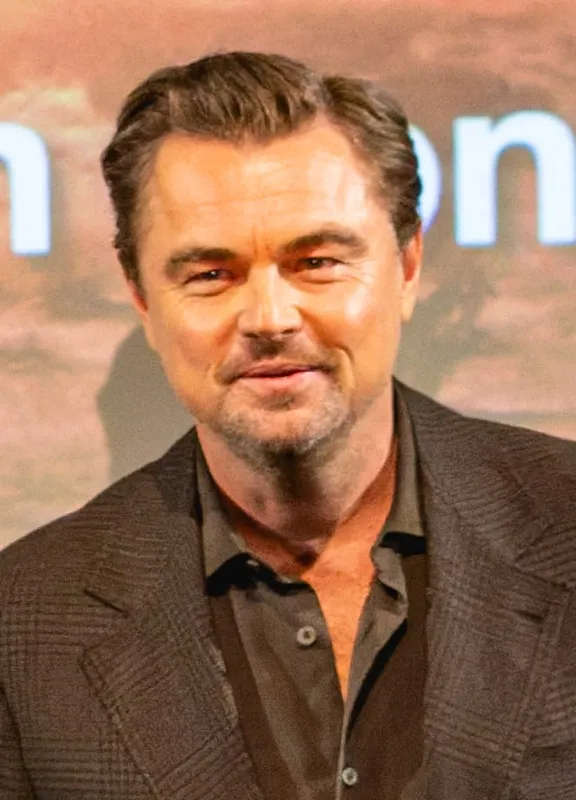 ProfileLeonardo DiCaprioOscar-winning actor and environmental advocate
Related
Randy Quaid Slams Anne Hathaway Casting in Days of Thunder Sequel
Randy Quaid, who appeared in the original 1990 film, took to X to demand Nicole Kidman's return and dismiss the Hathaway announcement.

Eva Mendes' 'de Gosling' Tattoo Is the Only One She's Ever Wanted
Eva Mendes is showing off her wrist tattoo again — a small but meaningful piece of ink that carries a deep cultural significance.
Steven Spielberg's 'War of the Worlds' Returns to Streaming Amid Debate
Steven Spielberg's 'War of the Worlds' is hitting HBO Max next month, reigniting discussions on its mixed reception.