Juliette Lewis Reflects on Scorsese's 'Cape Fear' Legacy and New Series Role

Juliette Lewis returns to the Cape Fear universe three decades on, crediting Scorsese's 1991 film as the foundation for her latest chapter.
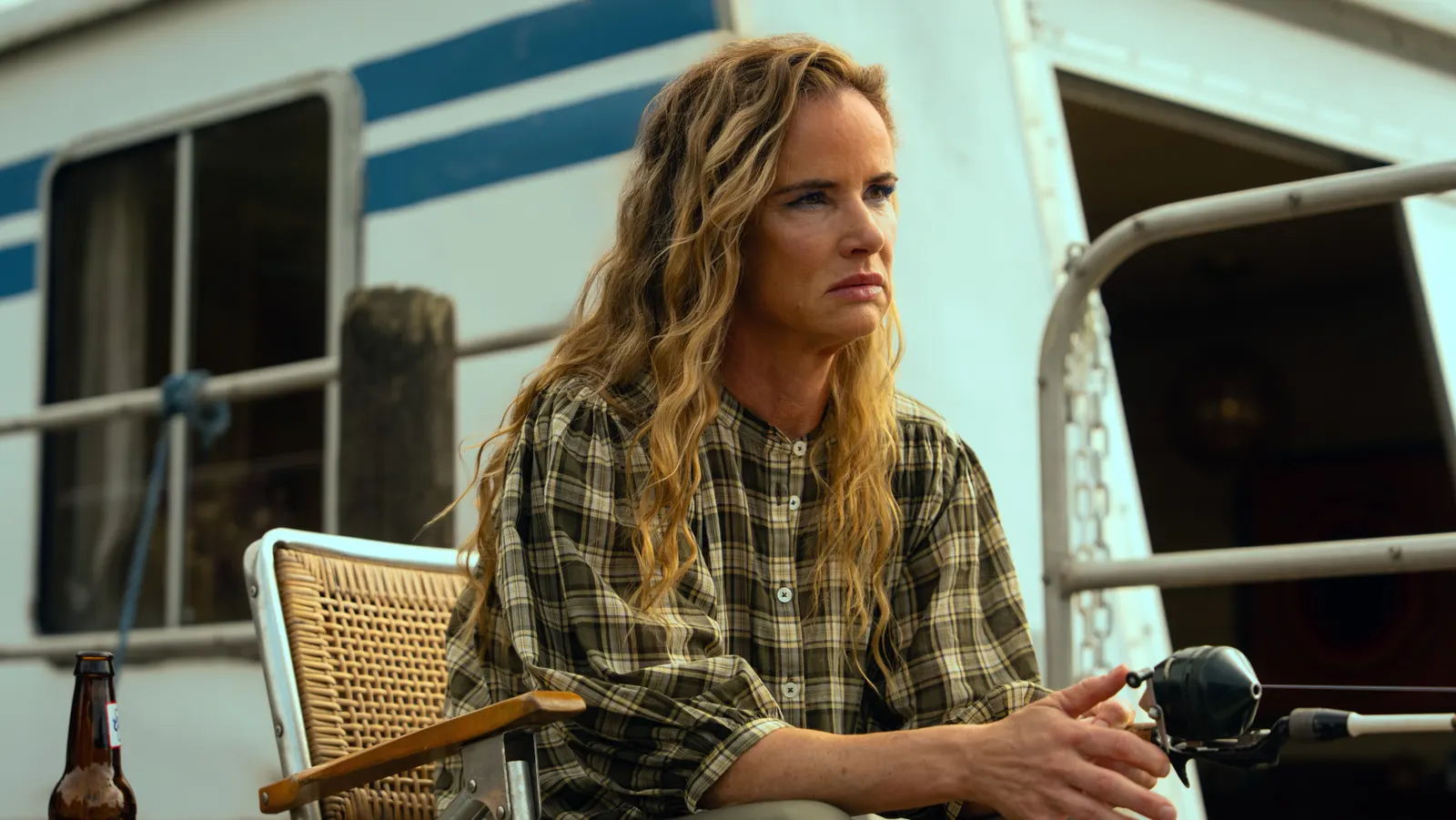
Juliette Lewis has spent more than three decades carrying the weight of a single, indelible performance — her Oscar-nominated turn in Martin Scorsese's 1991 psychological thriller Cape Fear — and now, with Apple TV+'s ambitious series reimagining of the same source material, she finds herself circling that legacy from an entirely new angle. The actress, who originated the role of teenage daughter Danielle Bowden in Scorsese's film, has returned to the Cape Fear world not as a reprisal but as something far more unexpected: a brand-new character with her own disturbing psychology.
From Danielle to Crystal: A Full-Circle Reinvention
In the Apple TV+ series, Lewis plays Crystal, the sister of convicted killer Max Cady — a role now filled by Javier Bardem in place of Robert De Niro's iconic film portrayal. It is a casting choice that recontextualizes her entire relationship to the material. Rather than inhabiting the vulnerability of an adolescent caught in a predator's orbit, Lewis is now operating as a figure of comparable menace, someone whose psychological history with Cady is murky enough that, as she explained, you are never quite sure who holds power over whom at any given moment.
Speaking according to Deadline, Lewis was emphatic in her praise for series creator Nick Antosca, crediting him with engineering a role that gave her genuine dramatic latitude. Crystal is not a supporting presence designed merely to illuminate Bardem's Cady — she destabilizes him, gets beneath his skin in ways that complicate any easy reading of the character hierarchy. "You don't know who the lion is and who the mouse is at any given time," Lewis described, capturing the essential instability of their dynamic.
Scorsese's Enduring Influence on the Material
It would be difficult to overstate the significance of Scorsese's 1991 adaptation as a reference point for everything that has followed in the Cape Fear lineage. Working from John D. MacDonald's 1957 novel The Executioners, Scorsese transformed what was already a taut thriller into something approaching a baroque nightmare — a film obsessed with guilt, institutional failure, and the terrifying inadequacy of the law to protect the innocent. The collaboration between Scorsese and cinematographer Robert Richardson gave the picture much of its hallucinatory visual texture, and it remains one of the more formally daring studio films of its era. Fans of that creative partnership will find further context in Scorsese, Tarantino Open Up in Robert Richardson Documentary, as well as a broader appreciation of Richardson's singular career in Robert Richardson: Celebrating a Cinematic Visionary.
Scorsese's continued support of Lewis — a relationship that clearly began during the original film's production — speaks to the director's well-documented loyalty toward the actors who have moved through his work. It is a quality that has defined his professional relationships across decades, and one that continues to shape his public profile even as he has expanded beyond directing into cultural ambassador territory, as seen in projects like Martin Scorsese Steps in Front of the Camera for Lavazza's 'Family Blend'.
Season 2 and What Comes Next
With the Season 1 finale, titled "The Executioners" — itself a deliberate nod to MacDonald's original novel — now behind audiences, the question of the series' future naturally arises. Lewis was characteristically measured when pressed on the possibility of a second season, offering a diplomatic "we will see" that suggests cautious optimism without overcommitment. Given the twists the show has already navigated and the ambiguity baked into Crystal's arc, there is clearly narrative territory left to explore should Apple TV+ elect to continue.
For now, the more resonant takeaway is what Lewis's dual relationship to Cape Fear represents: a rare instance of an actress being granted permission to deconstruct her own legacy in real time, supported by a filmmaker — Scorsese — whose investment in her career has never wavered. That kind of long-form artistic mentorship is increasingly uncommon in an industry defined by short cycles and rapid reinvention.
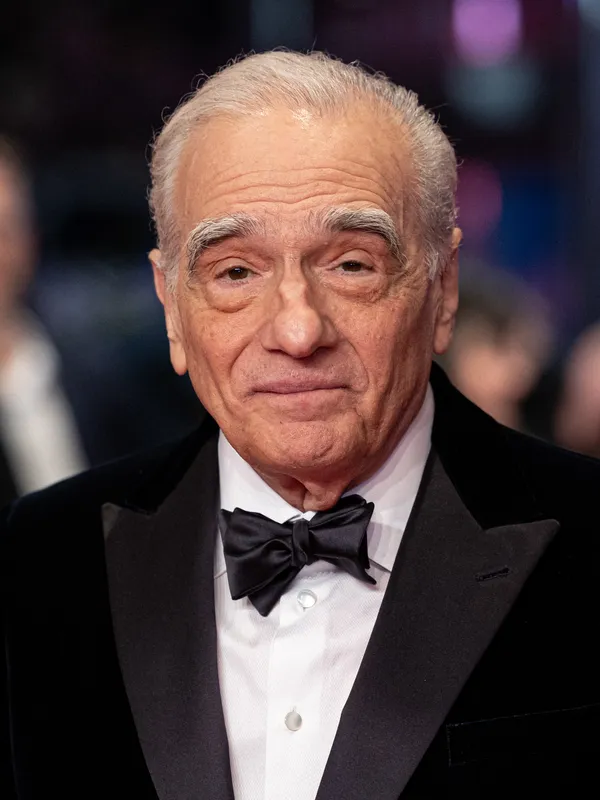 ProfileMartin ScorseseDirector & producer
Related
Randy Quaid Slams Anne Hathaway Casting in Days of Thunder Sequel
Randy Quaid, who appeared in the original 1990 film, took to X to demand Nicole Kidman's return and dismiss the Hathaway announcement.

Eva Mendes' 'de Gosling' Tattoo Is the Only One She's Ever Wanted
Eva Mendes is showing off her wrist tattoo again — a small but meaningful piece of ink that carries a deep cultural significance.
Steven Spielberg's 'War of the Worlds' Returns to Streaming Amid Debate
Steven Spielberg's 'War of the Worlds' is hitting HBO Max next month, reigniting discussions on its mixed reception.