Rubio Defends Trump's 'America First' in Acropolis Speech to Europe
Secretary of State Marco Rubio invoked ancient history from Athens to press Europe to embrace Trump's nationalist foreign policy vision.
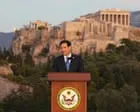
Secretary of State Marco Rubio delivered a sweeping, heavily staged speech at the Acropolis in Athens on Wednesday, using the backdrop of the Parthenon to make the case for Donald Trump's "America first" foreign policy before an audience of roughly 250 Greek and European officials and journalists. The address drew on ancient history, personal biography, and pointed warnings to a Europe Rubio characterized as dangerously complacent.
A Civilizational Argument for American Nationalism
Rubio framed the current moment in explicitly civilizational terms, arguing that the western world stands at an "inflection point" where it must either assert itself or accept long-term decline. According to The Guardian World, Rubio told the audience that the West must choose between maintaining its global standing or resigning itself to "a future of atrophy, servitude and decline." He attributed Europe's difficulties — including illegal immigration and deindustrialization — to the same globalist political consensus that Trump has targeted throughout his presidency.
"The word nationalism became a dirty word, so we tore down our monuments," Rubio said, adding that children had been taught to feel ashamed of their national inheritance. He described the Trump administration's response as "the unapologetic pursuit of national power," encompassing supply chain control, reindustrialization, defense spending, and technological dominance.
The speech's production values were notable even by diplomatic standards — four cameras, including one on a crane, captured the address — leading observers to suggest it was structured with an eye toward Rubio's own political future, potentially including a 2028 presidential run.
Europe's Relationship with Washington Under Strain
The Athens address comes at a difficult moment in transatlantic relations. U.S.-European ties are under pressure from multiple directions, including Washington's posture on the war in Ukraine, internal NATO disputes, and the Trump administration's assertion of sovereignty over Greenland. Those tensions have been compounded by economic friction, including disputes over trade policy — context familiar to anyone following Trump's threats over EU digital services taxes. Separately, Trump's recent meeting with NATO Secretary General Mark Rutte underscored how unsettled the alliance's internal dynamics remain.
Rubio sought to temper the adversarial tone that Vice President JD Vance struck at last year's Munich Security Conference, where Vance accused European leaders of being "terrified of their own people." Rubio's message was less confrontational but carried the same underlying demand: Europe must modernize its defense posture, expand manufacturing, and align more closely with Washington.
He cited Greece specifically as a model partner, praising its cooperation with the U.S. on energy, migration, and defense. He also referenced what he described as a new agreement between the U.S., Denmark, and Greenland — framing it as a security asset for NATO as a whole.
Historical Sweep and Selective Parallels
To buttress his argument, Rubio drew a sweeping historical line from ancient Athens through Rome, medieval Europe, and the English Enlightenment to the American founding. That lineage, he argued, defines the spirit of the West and explains America's continued vitality. He also cited Christopher Columbus and Spanish conquistador Hernán Cortés as embodiments of a frontier spirit rooted in antiquity — choices that critics noted glossed over the violent consequences of both figures' expeditions in Latin America.
Rubio also wove in his own family history, describing himself as "a great-grandson of settlers who arrived in the new world from Spain" and using that lineage to claim a personal debt to the civilization he was invoking.
Implications for the Trump Doctrine's Durability
Perhaps the speech's most significant dimension was what it suggested about continuity. Both Rubio and Vance — two of the most prominent figures in the current Republican orbit — have now delivered forceful messages to Europe that the Trump era's foreign policy assumptions are not a temporary aberration. For European governments still searching for ways to manage the relationship, that signal carries real weight. As the administration's second term continues to take shape — including its financial and political consolidation documented in Trump's reported $2.2 billion in revenue during his second term's first year — the Acropolis speech stands as a marker of how the administration intends to project power abroad.
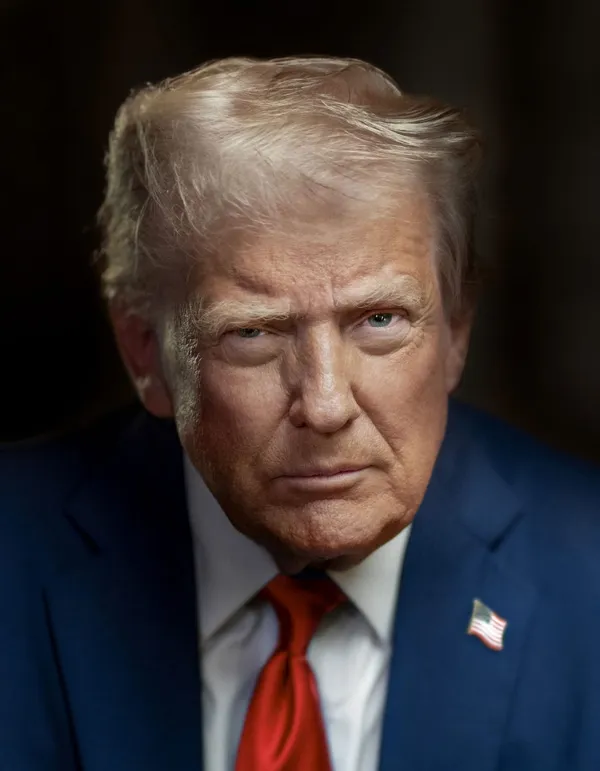 ProfileDonald Trump45th and 47th President of the United States
Related
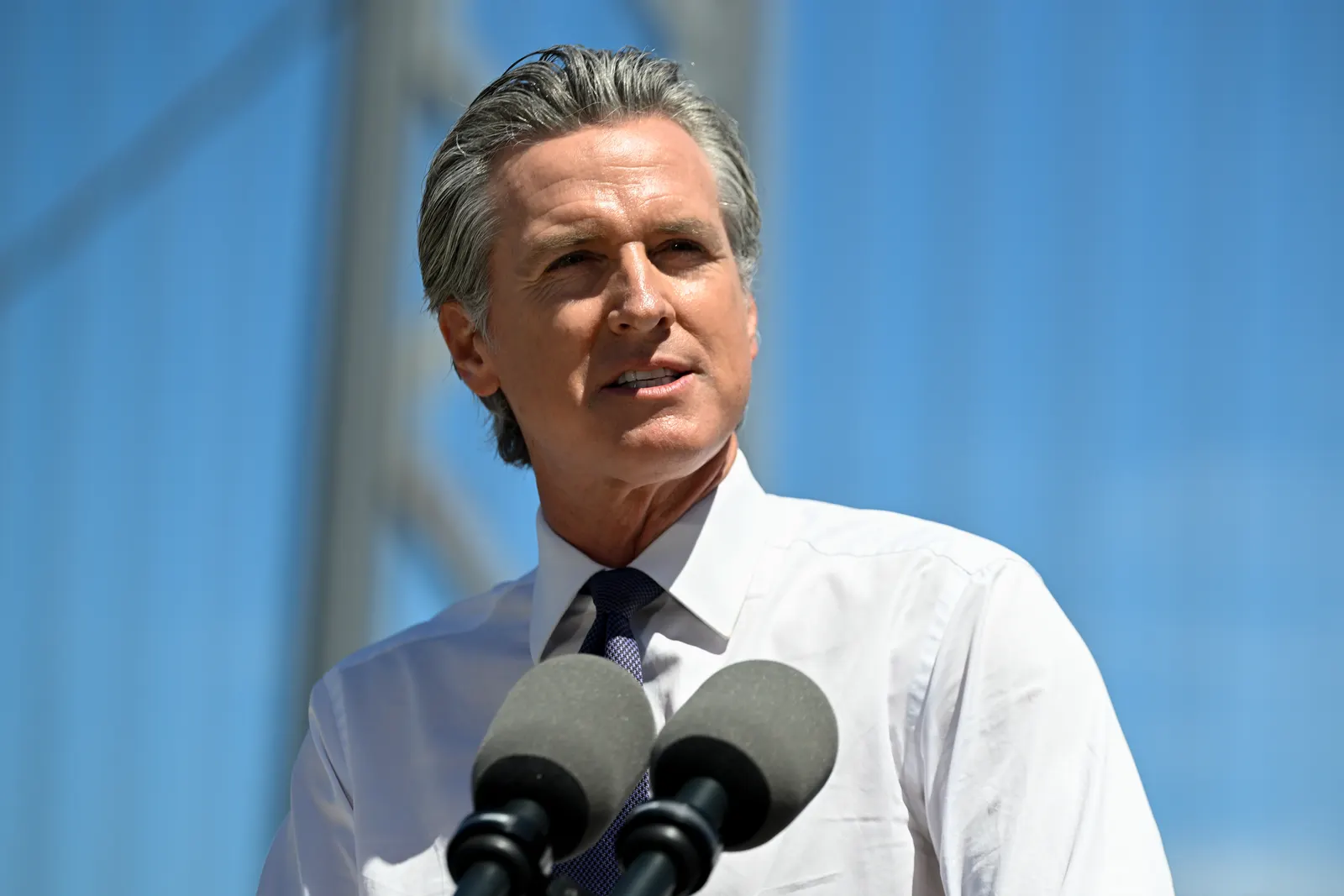
California Senate Passes Post-Production Tax Bill; Newsom Must Act
SB 2319 cleared the California State Senate 33-5, creating a dedicated post-production tax incentive as the L.A. film industry continues to shrink.
Netanyahu Condemns West Bank Attack on NBC News Team as Settler Violence Escalates
Masked settlers assaulted an NBC News crew and a Palestinian woman in Jalud, injuring four journalists and drawing condemnation from Israel's prime minister.
Park Service Backs Trump Arch Despite Threat to DC Landmark Sightlines
A federal report endorses the proposed 250-foot gilded arch while acknowledging it will disrupt the visual integrity of dozens of historic Washington sites.