Nolan's 'The Odyssey' Reframed as a Foil to India's 'Ramayana' Epic

A glowing review of Nitesh Tiwari's mythological spectacle positions it as a vivid, joyful counterpoint to Christopher Nolan's famously bleak summer blockbuster.
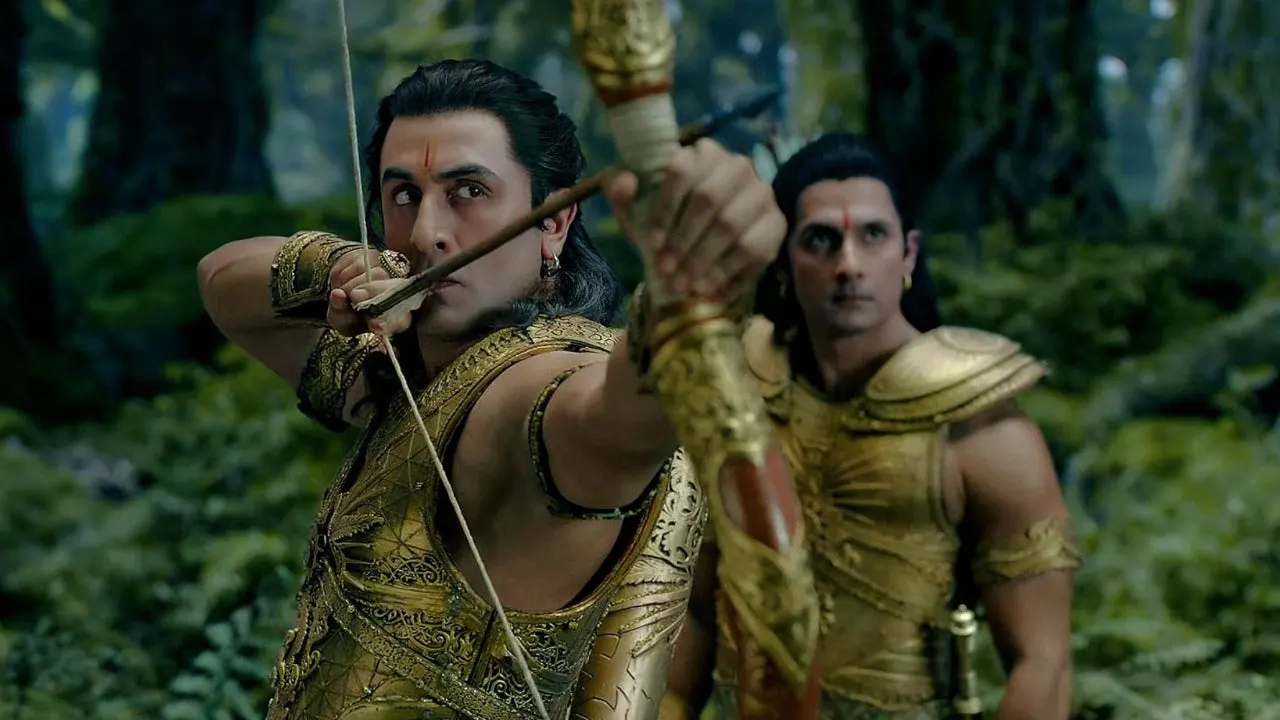
Christopher Nolan's "The Odyssey" has spent much of this summer dominating the cultural conversation — a monumental, storm-grey adaptation of Homer that has drawn both fervent admirers and audiences who found its relentless gravity a little exhausting. Now, a new point of comparison has emerged from an unexpected corner of world cinema, one that reframes Nolan's film not as a standalone achievement but as one pole in what is shaping up to be a genuinely fascinating year for ancient-epic adaptations.
A Tale of Two Epics
According to TheWrap, Nitesh Tiwari's "Ramayana: Rise of a Legend" — a sweeping, three-hour Bollywood retelling of Valmiki's revered Hindu poem — arrives in theaters as something close to a tonal antidote to Nolan's vision. Where Nolan's film leans into shadow, psychological weight, and a kind of austere grandeur, Tiwari's work is described as an "electric rainbow," saturated with color, romance, and unrestrained spectacle. The contrast is instructive, not just aesthetically but as a broader statement about what big-budget mythological filmmaking can be when it refuses to treat darkness as the default register of seriousness.
Nolan's approach to "The Odyssey" — an all-star production notable for its dour, monster-laden atmosphere — has already generated considerable discussion. Tom Holland, who stars in the film, has spoken about the demanding nature of working under Nolan's precise creative vision, and the director himself has shown little interest in softening his choices in response to mixed reactions. Nolan has essentially cited the long arc of his own career, including the polarizing early reception of "The Dark Knight," as evidence that challenging audiences rarely constitutes a mistake.
The Craft Argument
What makes the "Ramayana" comparison genuinely useful from a filmmaking standpoint is that it resists the lazy framing of one approach being superior to the other. Tiwari's film, whatever its tonal brightness, is no less formally ambitious — reviewers note its success in sustaining momentum across an episodic, three-hour runtime without numbing the audience with constant action. That is a legitimate directorial achievement, and one that sits in productive dialogue with Nolan's own formalist discipline, the kind he has advocated broadly in his vocal support for technically ambitious, large-format filmmaking.
Both directors, in other words, are working in the tradition of cinema as a genuinely immersive experience — one that demands scale, commitment, and a willingness to hold an audience inside a constructed world for an extended duration. The difference lies in which emotional frequencies each filmmaker trusts to carry that weight.
Context and Cultural Stakes
There is also something worth noting about the cultural dynamics at play. American audiences arrive at Homer's "Odyssey" with a lifetime of prior exposure baked in — high school curricula, literary references, countless film and television echoes. Valmiki's "Ramayana" carries no such accumulated familiarity for most Western viewers, which means Tiwari's film must do the harder work of world-building from scratch for a large portion of its global audience. That it apparently succeeds on those terms says something about the universality of the underlying material, but also about the craft invested in its presentation.
For Nolan watchers, the more intriguing long-term question may be how "The Odyssey" settles into the broader canon of his work — whether it ultimately reads as a natural extension of his thematic preoccupations or as something more deliberately stripped down. The film's ending, in particular, has already provoked substantial interpretive debate among critics trying to parse what exactly Nolan is arguing about the nature of heroism and return.
In the meantime, the emergence of "Ramayana: Rise of a Legend" as a genuine critical event broadens the conversation in a healthy direction — a reminder that the vocabulary of mythological cinema is far larger, and far more varied in its emotional possibilities, than any single summer blockbuster can contain.
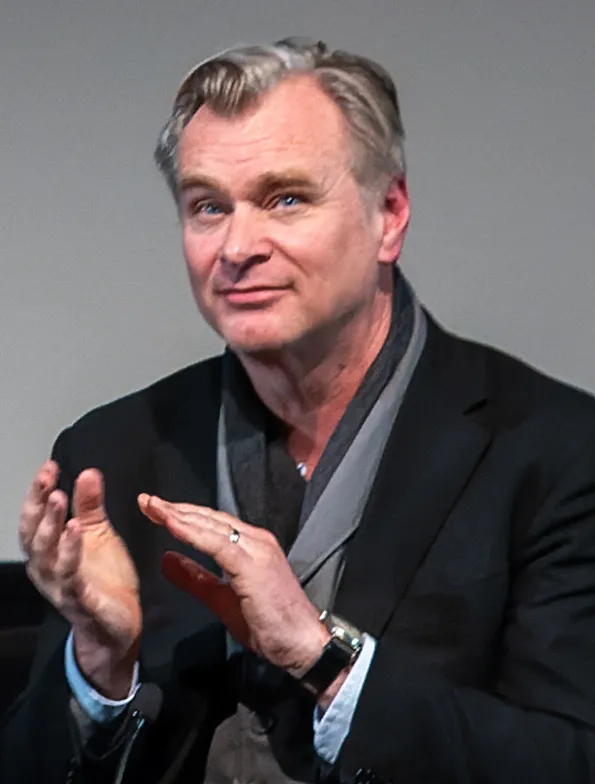 ProfileChristopher NolanFilmmaker
Related

Randy Quaid Slams Anne Hathaway Casting in Days of Thunder Sequel
Randy Quaid, who appeared in the original 1990 film, took to X to demand Nicole Kidman's return and dismiss the Hathaway announcement.

Eva Mendes' 'de Gosling' Tattoo Is the Only One She's Ever Wanted
Eva Mendes is showing off her wrist tattoo again — a small but meaningful piece of ink that carries a deep cultural significance.
Steven Spielberg's 'War of the Worlds' Returns to Streaming Amid Debate
Steven Spielberg's 'War of the Worlds' is hitting HBO Max next month, reigniting discussions on its mixed reception.