Nolan Pushes Back on Critics Who 'Invalidate' Storytelling Mechanics

While promoting The Odyssey in Beijing, Christopher Nolan challenged the notion that identifying a narrative device somehow diminishes its power.
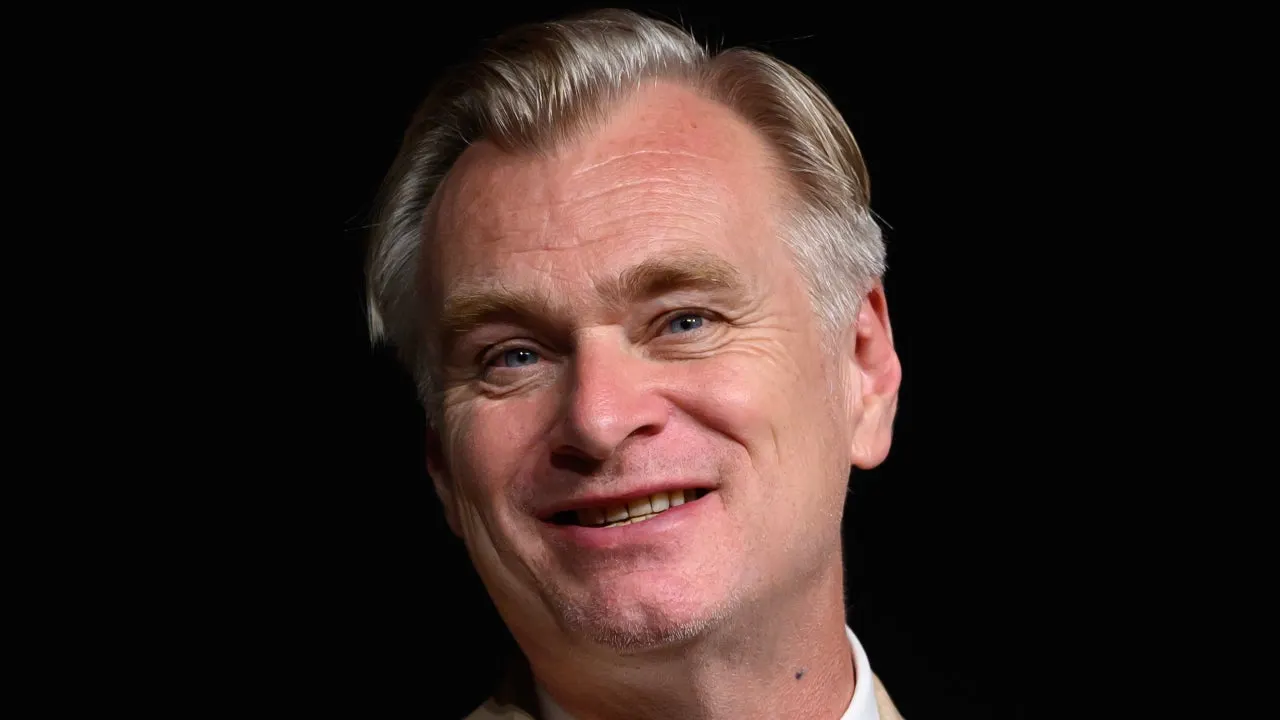
Christopher Nolan has never been shy about defending the architecture of his films, but during a recent promotional stop in Beijing for The Odyssey, the director extended that instinct into a broader meditation on how storytelling itself is misread — and misgraded — in contemporary criticism. Speaking with political philosophy lecturer and podcast host Zhong Shu in a wide-ranging interview posted to the Chinese video platform Bilibili, Nolan articulated a position that cuts to the heart of an old tension in film discourse: the difference between recognizing how something works and judging whether it works at all.
The Criticism Nolan Finds Most Troubling
At the center of Nolan's argument is a complaint that will resonate with anyone who has spent time in the wilder corners of amateur film commentary. According to TheWrap, Nolan specifically took issue with the line of thinking that concludes, because a viewer can identify why a scene or character choice elicits an emotional response, that response is somehow invalid — a manipulation rather than an achievement. "To be able to identify the mechanism does not invalidate the mechanism," Nolan said plainly, calling it "a real problem in criticism today."
The remark arose in the specific context of how his adaptation portrays Odysseus — played by Matt Damon — as a figure who must ultimately reckon with and atone for his own military genius, a framing that departs meaningfully from ancient Greek cultural attitudes toward cunning and martial excellence. When pressed on whether that modernization constituted an anachronism, Nolan reframed the question entirely: any responsible adaptation must exist "in conversation with the expectations of the audience," drawing on a shared cinematic grammar to make ancient material legible and emotionally resonant in the present.
Hollywood's Hundred-Year Language
Nolan's defense of his adaptive choices led him into a more expansive argument about the lingua franca that Hollywood has constructed over roughly a century of filmmaking — a visual and narrative vocabulary so thoroughly absorbed by global audiences that it now functions, in his words, as something "effectively universal." This is familiar terrain for Nolan, who has long been interested in the relationship between formal convention and formal rupture, whether bending chronology in Memento or staging warfare without traditional heroic catharsis in Dunkirk. The filmmaker's point is that conventions are not crutches; they are a shared language, and fluency in that language is a precondition for meaningful deviation from it.
"You can break those conventions. You can bend them. You can move them. But you have to be aware of them," he noted, carefully distinguishing between amateur criticism — which he identified as the primary source of the mechanical-invalidation fallacy — and professional criticism, which he suggested more reliably understands why such mechanisms exist in the first place. It's a distinction worth taking seriously, particularly at a moment when algorithmic platforms give outsized amplification to reactionary takes. For more on how Nolan operates within and against cinematic tradition, his own creative origin story remains instructive: Christopher Nolan's forgotten debut Following is now free to stream.
The Academic Pushback
The Beijing interview was not conducted in a vacuum. Earlier in the week, classicist Emily Wilson — whose 2017 translation of Homer's epic has become the definitive modern English rendering — published a pointed review arguing that The Odyssey filters its themes through "contemporary American ideas about the importance of philanthropic charity" in a way that ultimately fails to cohere on its own terms. The interviewer, while not citing Wilson directly, did playfully flag that Nolan has attracted skeptical readings from classicists and academics, making the full 17-minute conversation his most sustained public response yet to that strand of criticism.
Nolan is no stranger to riding out a backlash until the longer critical arc catches up. Readers curious about how he has navigated similar pressures with this project can find more context in Nolan dismisses Odyssey backlash, cites Dark Knight lesson. Meanwhile, the film's ensemble has been building its own narrative around the production — Tom Holland reflects on his challenging first day with Nolan in The Odyssey — as the director completes a global rollout ahead of the Chinese theatrical release on August 14, with preview screenings already underway.
For those eager to work through the film's more cryptic final movements before or after seeing it, decoding Christopher Nolan's adaptation of The Odyssey's ending offers a close reading worth consulting.
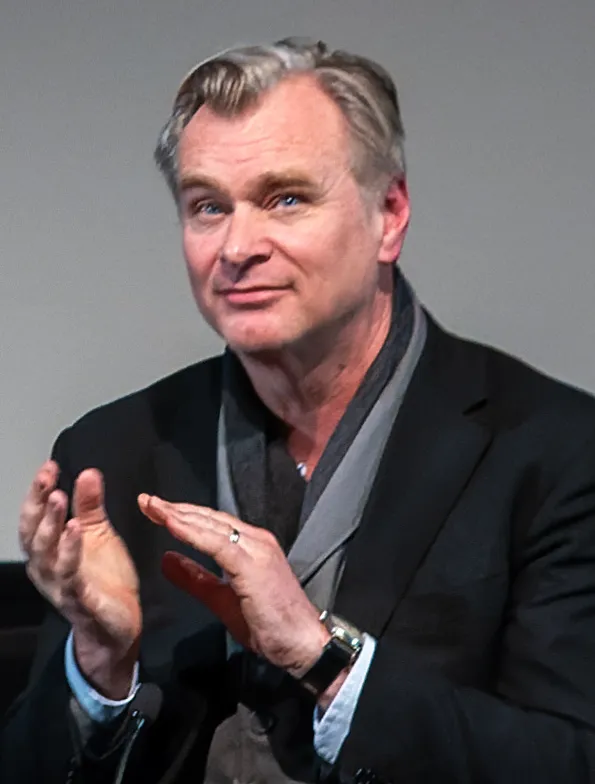 ProfileChristopher NolanFilmmaker
Related
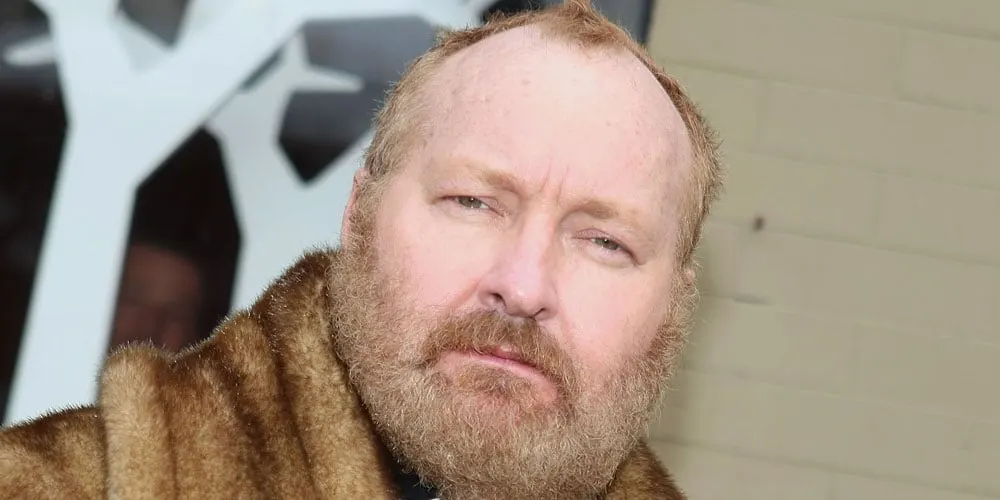
Randy Quaid Slams Anne Hathaway Casting in Days of Thunder Sequel
Randy Quaid, who appeared in the original 1990 film, took to X to demand Nicole Kidman's return and dismiss the Hathaway announcement.

Eva Mendes' 'de Gosling' Tattoo Is the Only One She's Ever Wanted
Eva Mendes is showing off her wrist tattoo again — a small but meaningful piece of ink that carries a deep cultural significance.
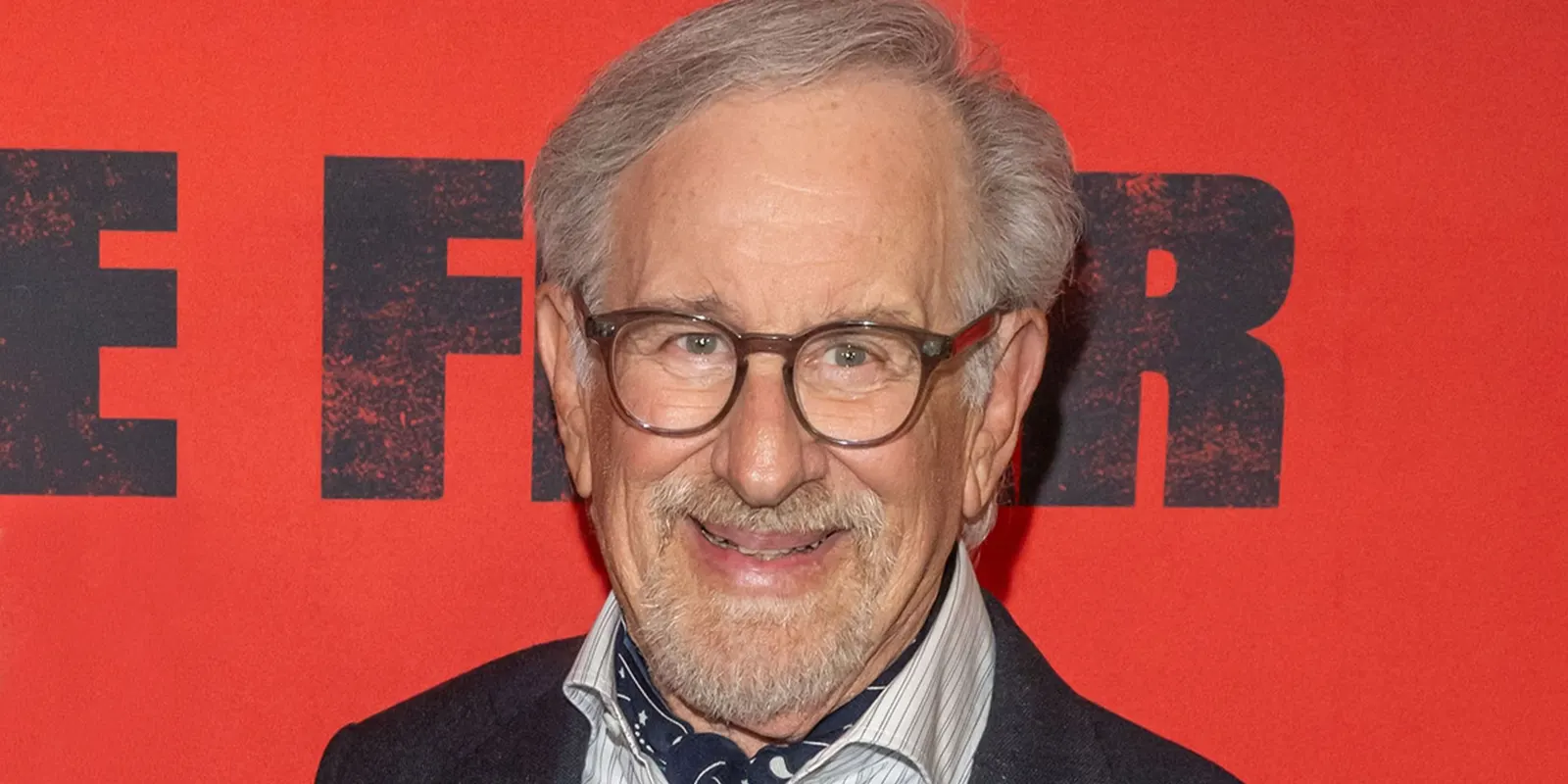
Steven Spielberg's 'War of the Worlds' Returns to Streaming Amid Debate
Steven Spielberg's 'War of the Worlds' is hitting HBO Max next month, reigniting discussions on its mixed reception.