Meta Unveils Muse Charm: A Standalone AI Device

Meta's new Muse Charm aims to make AI interactions simpler and more accessible.
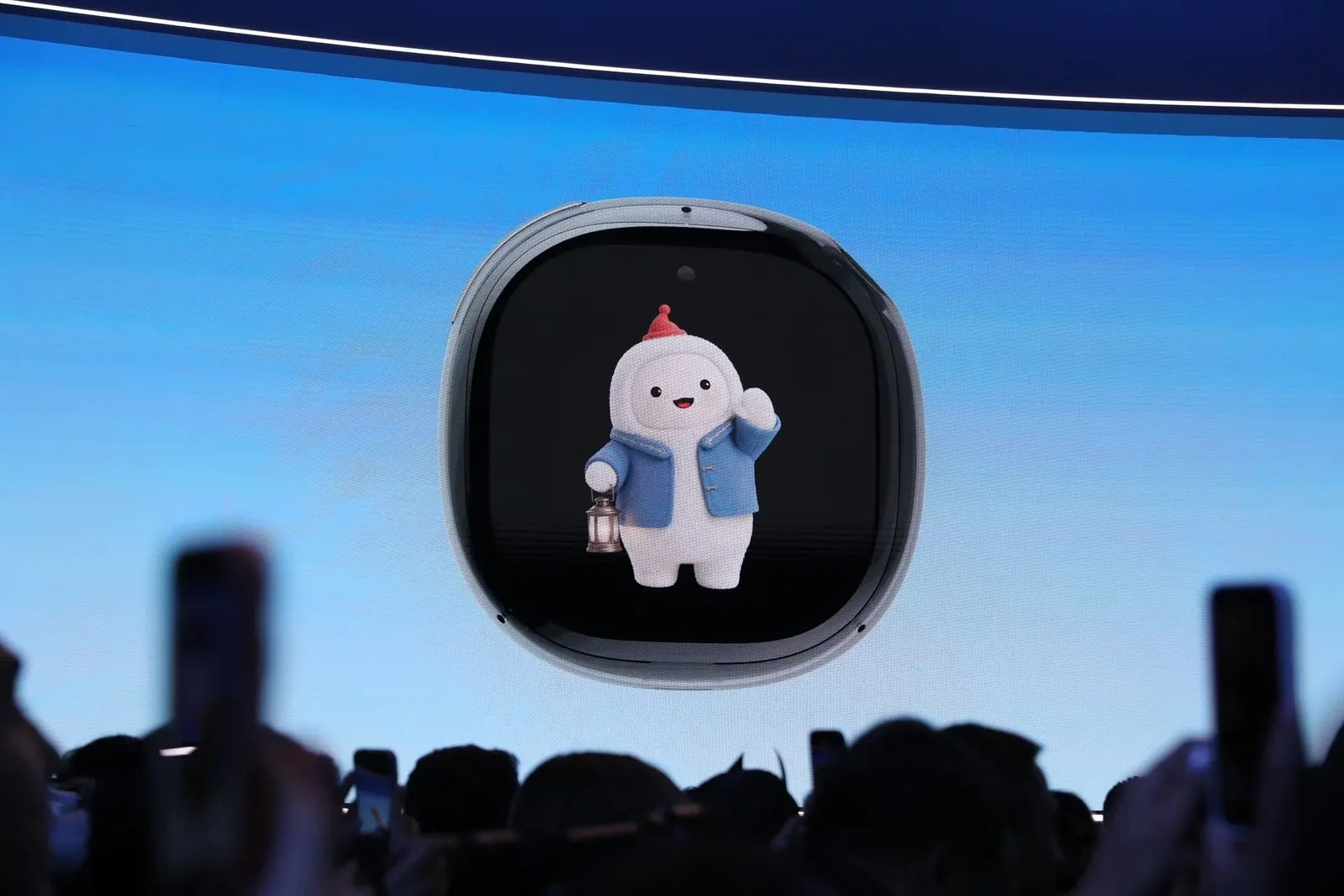
Meta is making strides in the AI hardware landscape with its latest announcement of the Muse Charm, a dedicated device designed to interface seamlessly with its Muse AI agent. This gadget was showcased by Meta’s CEO, Mark Zuckerberg, during the recent Meta Connect event, signaling the company’s serious commitment to AI integration in everyday technology.
The Muse Charm: A Quick Overview
The Muse Charm resembles a chunky smartwatch, featuring a prominent screen without a wrist strap, and comes equipped with a lanyard for portability. What sets it apart is its standalone functionality—users don’t need a mobile phone to operate the device. This could potentially simplify access to AI-powered functions, which is a key aspect of Meta's vision.
According to Zuckerberg, the device includes a fingerprint sensor for activation, alongside a small camera and multiple microphones. However, details on how it connects to Meta's servers remain vague. While Zuckerberg emphasized the convenience it offers by eliminating the need to unlock a phone or launch an app, the underlying technology for connectivity was not disclosed.
The Timing of Release
Meta has announced plans to ship the Muse Charm in December, just in time for the holiday season. Currently, the production is in its early stages; Zuckerberg mentioned that they have only built a small number of prototypes. There's still work to be done, particularly concerning the choice of materials as well as the aesthetic aspects, like a translucent casing that would expose some of the internal components, described by Zuckerberg as an “elevated hacker aesthetic.”
The AI Landscape and Competition
The Muse AI agent, which has gained considerable traction since its launch, is designed to perform tasks on behalf of users. Zuckerberg utilized part of the Meta Connect presentation to highlight upcoming features, such as enhanced Mac integration and managing email accounts. However, the AI hardware space is becoming increasingly crowded, with various companies vying to establish their own footholds.
Comparatively, the Muse Charm might be likened to the Rabbit R1, a previous attempt at a compact AI device. Although the Rabbit R1 garnered some interest, it ultimately fell short in terms of practical capabilities, leaving users questioning its necessity. As Meta pushes forward with the Charm, it's notable how the company is accelerating its efforts to define what could be the next significant hardware platform, building on the success of its AI initiatives.
Why It Matters
Zuckerberg's ambitions for Meta extend beyond just being a social network; the introduction of the Muse Charm is illustrative of the company’s broader strategy in AI and hardware. The success of this project could redirect the course of Meta's development and influence the gadget landscape significantly. Whether Muse and its associated hardware will find a market remains to be seen, particularly as Meta continues to face scrutiny in other areas, such as privacy concerns linked to AI technology. To add context, the challenges surrounding Muse AI's image-related applications serve as a reminder of the complexities involved in launching AI-driven products successfully. For instance, CAA has raised privacy concerns about Muse’s image AI.
As Meta makes strides with its AI efforts, it's clear that Mark Zuckerberg is focused on building tools that simplify user experience. However, the rapid pace and competitive nature of tech innovation may raise questions about the long-term viability of these ventures. If Meta can strike the right balance, it may well carve out a lasting presence in the evolving AI ecosystem.
For readers interested in deeper insights into Zuckerberg's journey with AI, you might find it valuable to explore how his vision for personal AI agents offers both promise and challenges.
Related on Ni4o: Zuckerberg Greenlights Meta Prediction Market App 'Arena' · Meta's AI Progress Slows as Zuckerberg Addresses Staff Concerns · Jesse Eisenberg Says He No Longer Wants to Be Linked to Zuckerberg
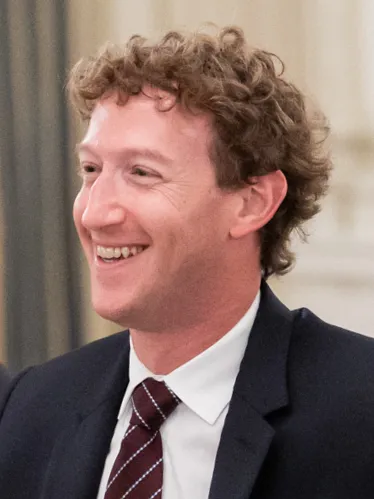 ProfileMark ZuckerbergCo-founder and CEO of Meta Platforms (Facebook)
Related
Jensen Huang's Call from Trump Disrupts Nvidia's All-Hands Meeting
During Nvidia's recent all-hands meeting, CEO Jensen Huang received an unexpected call from Donald Trump, sparking employee buzz about its implications.

Jane Fonda Supports Mark Ruffalo Amid Controversy Over Antisemitism Claims
Jane Fonda stands by Mark Ruffalo after he was labeled antisemitic by Paramount for criticizing Larry Ellison's ties to Israel and a major merger.

Mark Ruffalo Ties Oracle's Military Tech to Paramount Deal, Studio Fires Back
The Hulk actor linked Larry Ellison's Oracle to Israel's military operations, prompting an unusual public response from Paramount calling the remarks antisemitic.