Andreessen Defends Targeted AI Regulation, Slams Red Tape

Marc Andreessen drew a line between bureaucratic AI red tape and useful safety rules, arguing the right kind of regulation makes complex systems usable at scale.

Marc Andreessen is rarely mistaken for a friend of regulators. The Netscape co-founder turned venture capitalist, whose firm Andreessen Horowitz has become one of the loudest champions of building fast and worrying less, has spent years arguing that bureaucracy is the enemy of progress. So it was notable when he drew a sharper line than usual between the rules he despises and the rules he can live with. According to Metaverse Post (mpost.io), Andreessen distinguished between harmful bureaucratic red tape and a narrower form of regulation focused squarely on safety and trust.
Two Very Different Kinds of Rules
Writing on X, Andreessen aimed his familiar fire at oversight he sees as stifling innovation. The report quotes his characteristically vivid framing of bad regulation as "the dead and clammy hand of the commissar - the gentleman who has never in his life built a single thing, drafting rules to govern a thing he cannot define."
But he was careful not to let that broadside swallow every form of government involvement. According to the report, he categorized the harmful variety as "complex administrative procedures, layered compliance systems, or precautionary rules," while singling out a different category he considers genuinely useful:
- basic safety standards
- enforcement of truthful measurement systems
- protections against fraud
The distinction matters because it cuts against the caricature of Silicon Valley as uniformly anti-regulation. In Andreessen's framing, the problem is not that rules exist, but that the wrong rules, written by people with no understanding of what they are governing, crowd out the right ones.
Why Good Regulation Can Be a Feature
Andreessen went further, arguing that functional regulation "makes complex systems usable at scale by reducing uncertainty and preventing abuse, thereby sustaining confidence among users and institutions." In other words, well-designed rules are not merely tolerable; they can be load-bearing, supplying the trust that lets a technology like AI move from early adopters into mainstream use. Markets, in this view, need referees in order to function, just not referees who try to redesign the game.
His worry, per Metaverse Post, is that overly complex regulatory procedures risk entrenching incumbents and slowing newcomers, because only the largest companies can afford armies of compliance staff. That concern has been a recurring theme in his commentary as the United States tightens its controls on frontier AI models.
The Policy Backdrop
The remarks land at a fraught moment. Policymakers around the world are grappling with how to govern increasingly capable AI systems without freezing the competitive landscape or driving development offshore. Every proposal has to balance legitimate fears about misuse against the risk of locking in today's leaders before challengers get a chance.
Coming from one of the industry's most prominent financial backers, a firm that manages tens of billions of dollars and has invested heavily across the AI stack, Andreessen's comments carry weight precisely because of his reputation. When even a vocal deregulation advocate concedes that some safety-first rules are worth keeping, it narrows the debate. The message to lawmakers is less "hands off" than "aim carefully": prioritize clarity, honest measurement, and fraud prevention over sprawling compliance regimes that, in his telling, protect no one and slow everyone down.
Related on Ni4o: Nadella Bets on a 33-Year-Old Exec to Fix Copilot · PewDiePie's Odysseus Turns Local AI Into a Real Workspace · Michael Dell Becomes World's Fifth-Richest on AI Boom
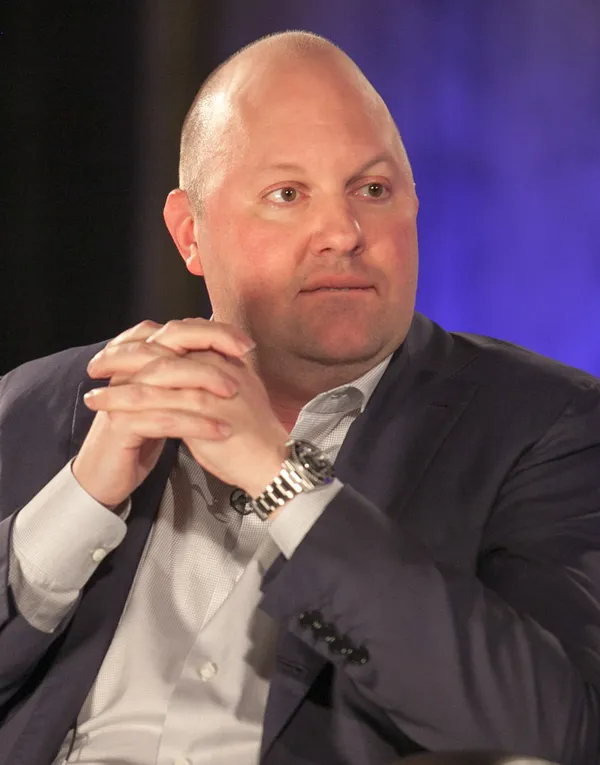 ProfileMarc AndreessenTech entrepreneur, web browser pioneer, and venture capitalist
Related
Jensen Huang's Call from Trump Disrupts Nvidia's All-Hands Meeting
During Nvidia's recent all-hands meeting, CEO Jensen Huang received an unexpected call from Donald Trump, sparking employee buzz about its implications.

Jane Fonda Supports Mark Ruffalo Amid Controversy Over Antisemitism Claims
Jane Fonda stands by Mark Ruffalo after he was labeled antisemitic by Paramount for criticizing Larry Ellison's ties to Israel and a major merger.
Mark Ruffalo Ties Oracle's Military Tech to Paramount Deal, Studio Fires Back
The Hulk actor linked Larry Ellison's Oracle to Israel's military operations, prompting an unusual public response from Paramount calling the remarks antisemitic.