Legal Experts Skeptical of DOJ's Case Against Networks In Trump Probe

The DOJ's investigation into networks that suspended the White House TV pool raises concerns among First Amendment advocates and antitrust experts.
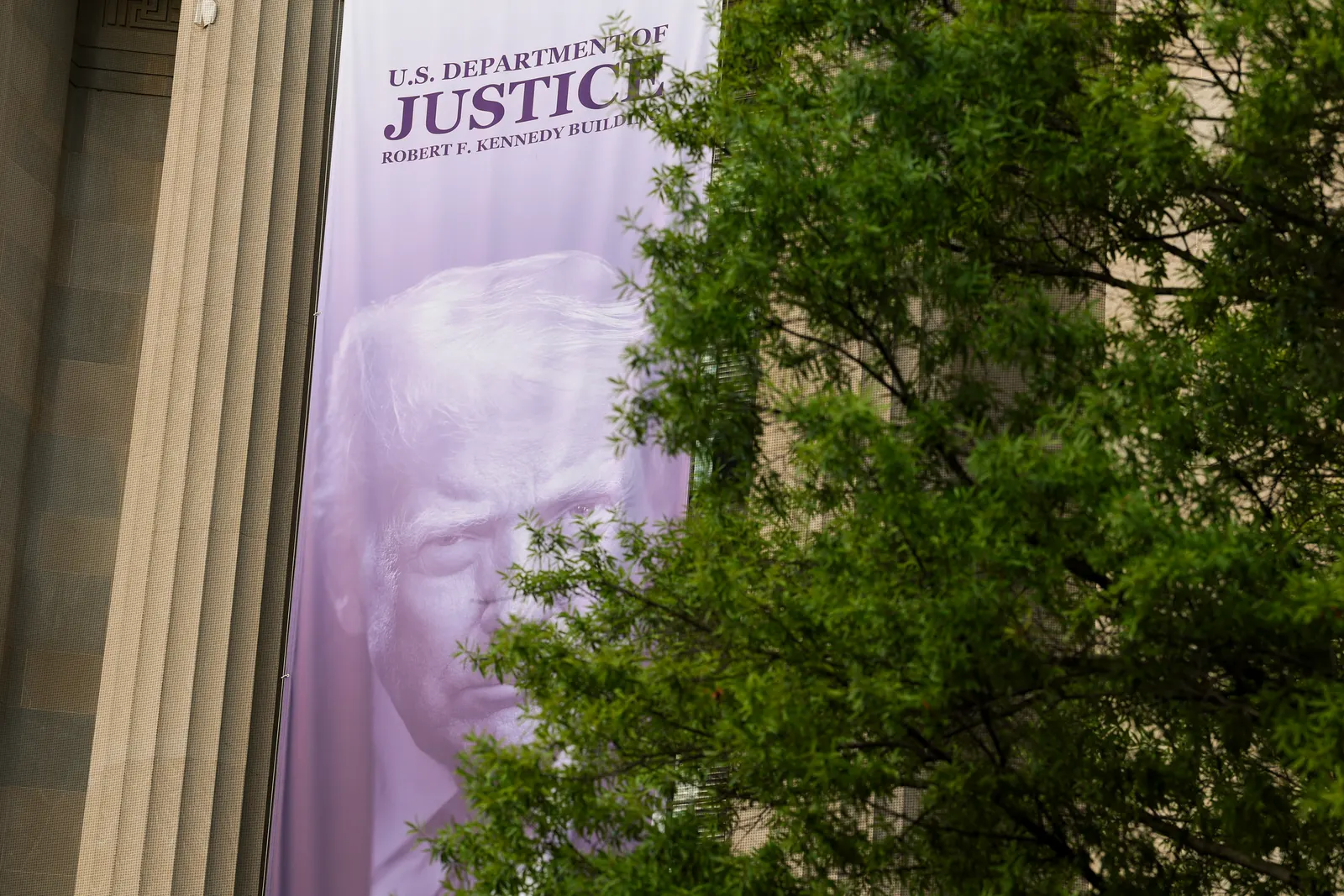
The recent announcement that the Department of Justice (DOJ) is probing five major television networks regarding their decision to suspend coverage of the White House TV pool has sparked controversy and fears of government overreach. Critics argue that this move is indicative of the Trump administration's ongoing hostility toward the media, echoing broader concerns about freedom of the press.
Investigation Details
The DOJ's examination centers on the networks' actions taken last month to halt broadcasting of White House press events. This situation has led to an outcry from various advocacy groups who see this as an alarming threat to First Amendment rights and a chilling effect on media independence. The networks involved have declined to comment directly on the investigation, but the implications of this inquiry could further strain relations between the media and the Trump administration.
Expert Opinions on Antitrust Viability
Despite the intensity of the political and public backlash, antitrust experts have expressed skepticism regarding the legal foundation of the DOJ’s investigation. Many believe that the department may struggle to establish a substantive antitrust case against the networks. The pathways for demonstrating that the networks' collective decision constituted an illegal act are murky at best. Critics suggest that without clear evidence of collusion or market manipulation, the DOJ could face significant challenges.
Moreover, the separation of powers principles entrenched in U.S. law means that the judicial system often provides protections against what could be perceived as retaliatory actions against free press entities.
This investigation raises broader questions about the relationship between government entities and media organizations. For instance, in a separate matter, Trump recently stalled a bipartisan housing bill citing unrelated demands, indicating his administration's pattern of leveraging political power in matters of governance. Such actions can create a problematic precedent where executive power may unduly influence media coverage.
Implications for Press Coverage
The chilling effect on media coverage, stemming from the threat of retaliation, could reshape the landscape of political journalism, especially leading up to significant upcoming events like the U.S. 250th anniversary and national elections. The potential repercussions extend beyond immediate coverage, influencing how journalists conduct their work and what stories may be prioritized or sidelined.
Conclusion
The current investigation by the DOJ into the networks' suspension of the White House TV pool is not only a matter of legal scrutiny but also a flashpoint for discussions about media freedom and government accountability. As the situation develops, both First Amendment advocates and media organizations will be closely monitoring the outcomes, weighing their potential impact on journalistic practices and the public's right to transparent governance. While the legal grounds for this case may be weak, the ramifications for press freedoms remain an urgent concern.
Related on Ni4o: Trump Stalls Bipartisan Housing Bill Over SAVE Act · Trump Meets NATO Chief Rutte Amid Europe Tensions · Trump's Freedom 250 Concert Series Unravels as Vanilla Ice Show Rained Out
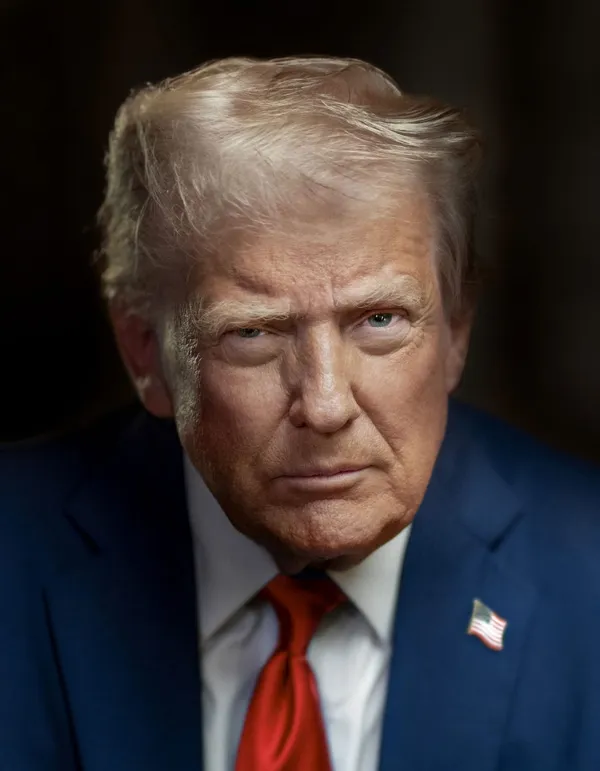 ProfileDonald Trump45th and 47th President of the United States
Related
California Senate Passes Post-Production Tax Bill; Newsom Must Act
SB 2319 cleared the California State Senate 33-5, creating a dedicated post-production tax incentive as the L.A. film industry continues to shrink.

Netanyahu Condemns West Bank Attack on NBC News Team as Settler Violence Escalates
Masked settlers assaulted an NBC News crew and a Palestinian woman in Jalud, injuring four journalists and drawing condemnation from Israel's prime minister.
Park Service Backs Trump Arch Despite Threat to DC Landmark Sightlines
A federal report endorses the proposed 250-foot gilded arch while acknowledging it will disrupt the visual integrity of dozens of historic Washington sites.