Kristen Stewart Gets Candid About the Reality of Making Twilight

Kristen Stewart reflects on the intensity, pretension, and unexpected authenticity of filming the Twilight saga with Robert Pattinson.
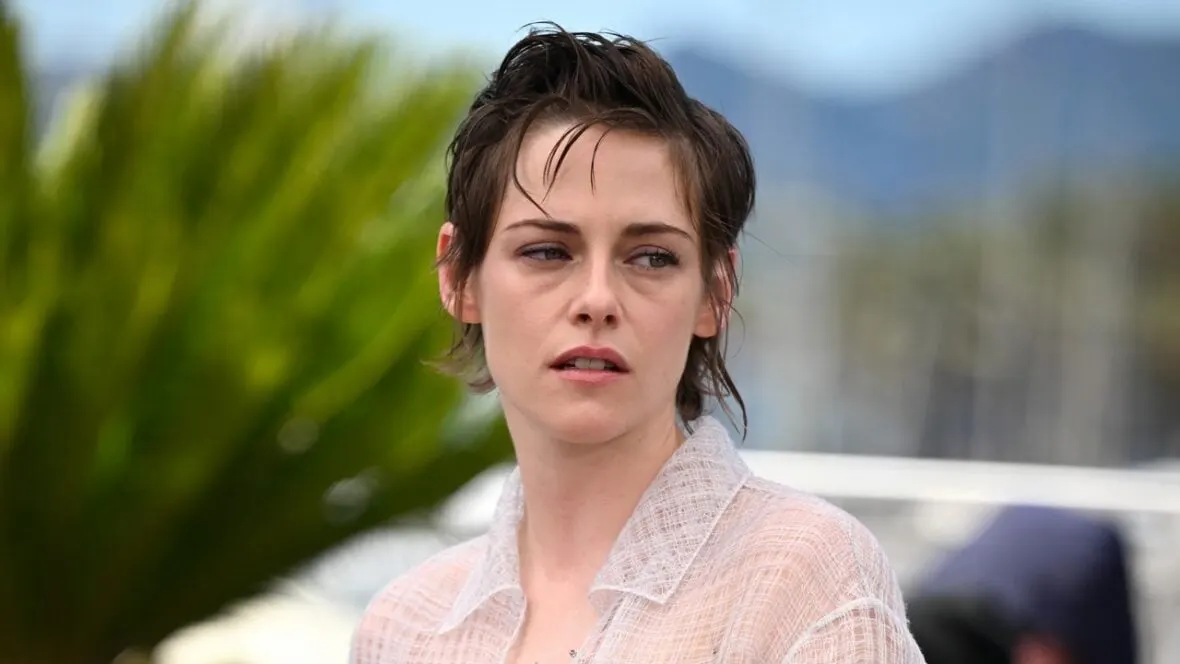
Kristen Stewart has spent nearly two decades building a post-blockbuster filmography that places craft squarely at the center — yet the franchise that launched her into a different stratosphere keeps reasserting itself in the conversation. Rather than deflect, the actress is leaning into the retrospective with surprising clarity and even a measure of affection.
Looking Back Without Regret
Appearing on Owen Thiele's In Your Dreams podcast to promote her upcoming film The Wrong Girls — and ahead of [a busy press run with her co-star]((/article/kristen-stewart-alia-shawkat-hit-nyc-streets-before-the-wrong-girls-opens)) — Stewart addressed the seemingly inexhaustible appetite for Twilight conversation directly. According to Just Jared, she was unequivocal: the questions don't bother her. What strikes her instead is the strange temporal dislocation of having been asked, even while the films were still in production, to assess something she was still living inside. "We were really always being asked to kind of look at it from the outside, which was not possible to do yet," she explained on the podcast — a predicament that will resonate with anyone who has tried to critique a work before it is finished.
It's a perceptive observation. The Twilight saga unfolded across five films and half a decade, a marathon production cycle that left little room for the kind of reflective distance that retrospective criticism demands. Stewart and her collaborators were, in a very real sense, being asked to serve as their own historians while the ink was still wet.
The Earnestness of Youth on a Major Set
Perhaps the most disarming section of Stewart's podcast conversation concerns the attitude she and Robert Pattinson brought to the first film. She described herself, with characteristic self-deprecating bluntness, as a "pretentious little loser" determined to elevate the material — a familiar impulse for any young actor suddenly handed a commercially enormous project and desperate to dignify it with serious intent. The two leads, she recalled, were convinced they could transmute the source material into something weightier than studio franchise fare. The lesson time eventually taught her was simpler and more humbling: commit to the age you are, say the words, and trust the story.
That tension between artistic ambition and tonal sincerity is actually one of the more interesting threads running through the saga's legacy. The first Twilight in particular occupies a peculiar place in the canon of franchise cinema — a low-budget, slightly off-kilter adaptation that succeeded precisely because its leads played it with a seriousness that tipped, at moments, into something almost operatic. Stewart now frames that quality not as a failure of restraint but as an accidental virtue: the heightened emotion, the earnestness bordering on camp, was "so perfect for that period of time" she argued, noting that subtlety has no natural home in a story about teenagers confronting mortality and desire at maximum volume.
Reassessing Camp as a Valid Register
Stewart's evolving read on the franchise — that its excess was, in retrospect, tonally correct — reflects a broader critical rehabilitation of Twilight that has gained considerable momentum over the past several years. A generation of viewers who grew up with the films have returned to them with something approaching scholarly warmth, recognizing in their melodramatic sincerity a kind of emotional honesty that more polished productions often sand away. It is the same quality that has made the films a touchstone in ongoing conversations about genre, gender, and the films made explicitly for young female audiences.
For Stewart personally, the ability to revisit Twilight without irritation speaks to the security of an actor who has, since those years, accumulated work — from Spencer to Crimes of the Future — that has [earned her considerable recognition on the festival circuit]((/article/kristen-stewart-celebrates-grand-prix-win-at-biarritz-film-festival)). She has nothing to disown, and clearly feels no need to.
What Comes Next
With The Wrong Girls on the horizon, Stewart is moving forward rather than dwelling — though her willingness to engage thoughtfully with her past suggests an artist secure enough to let the full arc of her career exist without contradiction. Fans curious about what that next chapter looks like [can track her latest press appearances]((/article/kristen-stewart-supports-queer-slasher-film-at-premier-event)) as the promotional cycle builds. The Twilight questions, it seems, will keep coming — and Stewart, for one, is genuinely fine with that.
Related on Ni4o: Kristen Stewart Celebrates Grand Prix Win at Biarritz Film Festival · Kristen Stewart Supports Queer Slasher Film at Premier Event · Kristen Stewart on Alia Shawkat: 'You Barely Talked' on The Runaways
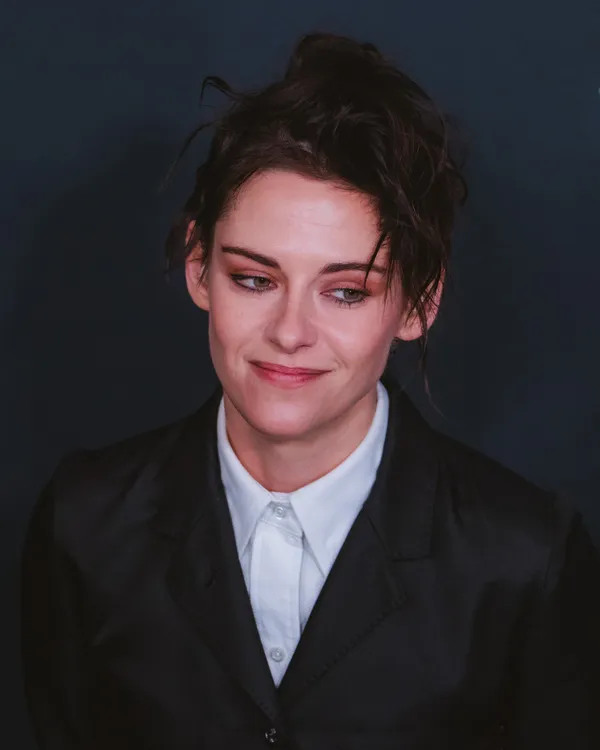 ProfileKristen StewartActress
Related
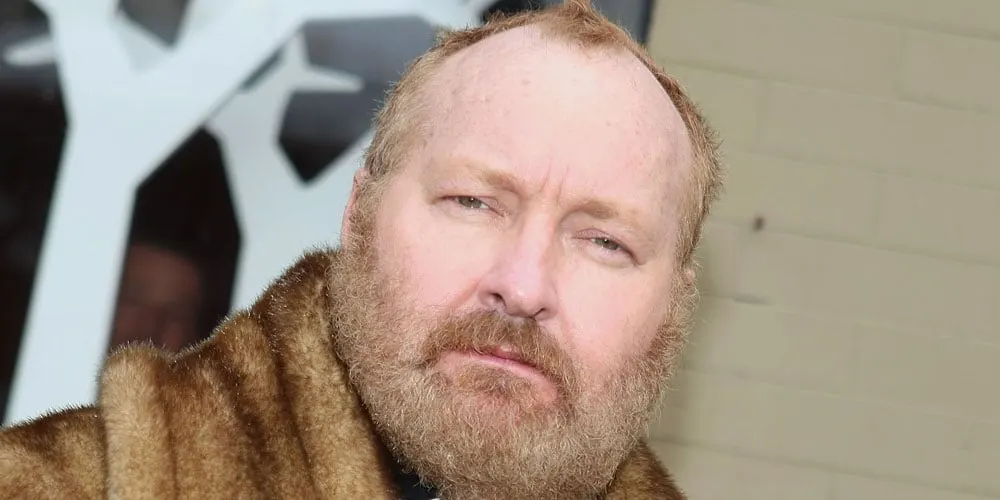
Randy Quaid Slams Anne Hathaway Casting in Days of Thunder Sequel
Randy Quaid, who appeared in the original 1990 film, took to X to demand Nicole Kidman's return and dismiss the Hathaway announcement.

Eva Mendes' 'de Gosling' Tattoo Is the Only One She's Ever Wanted
Eva Mendes is showing off her wrist tattoo again — a small but meaningful piece of ink that carries a deep cultural significance.
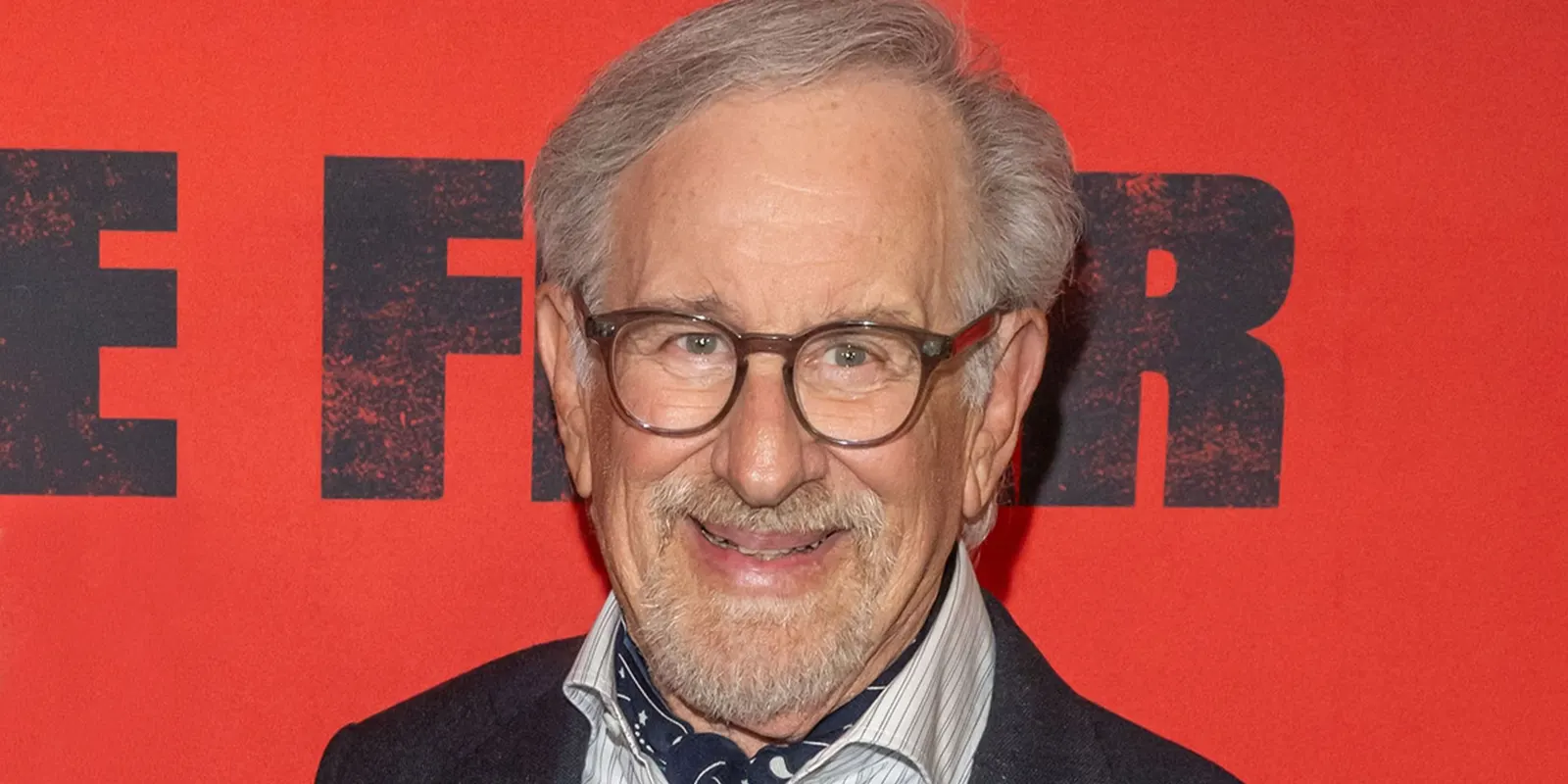
Steven Spielberg's 'War of the Worlds' Returns to Streaming Amid Debate
Steven Spielberg's 'War of the Worlds' is hitting HBO Max next month, reigniting discussions on its mixed reception.