Kevin Feige on Why the Original X-Men Belong in 'Avengers: Doomsday'

Marvel Studios president Kevin Feige explains how reuniting the classic mutant cast in 'Avengers: Doomsday' honors 25 years of superhero cinema.
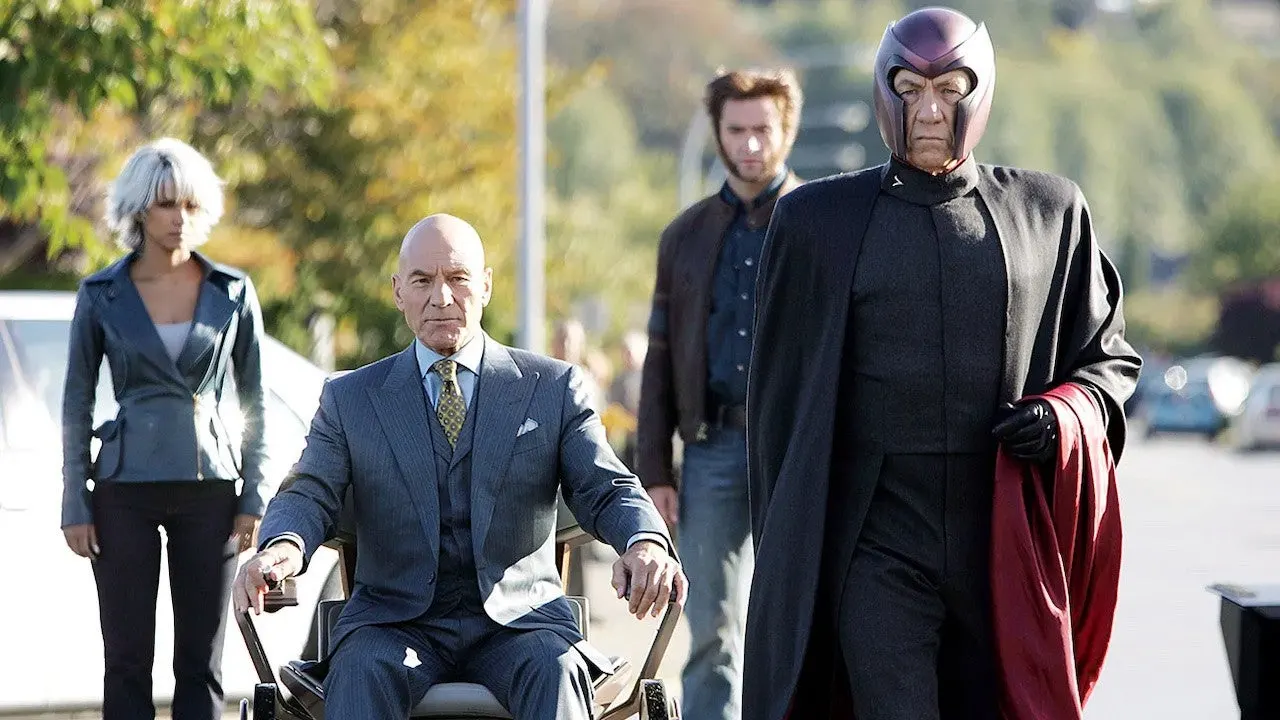
For Kevin Feige, the arrival of the original X-Men cast inside the Marvel Cinematic Universe is not merely a fan-service gesture — it is the closing of a creative loop that stretches back to the very foundations of the modern superhero film. The Marvel Studios president has opened up about the deliberate thinking behind one of the most anticipated ensemble decisions in blockbuster history, framing it as both a personal milestone and a broader cultural celebration.
A Career That Started With Mutants
Long before Feige shepherded Robert Downey Jr. through the doors of a Malibu workshop in 2008's Iron Man — the film that officially launched the MCU — he was on the set of Bryan Singer's X-Men in 2000, working as an associate producer. That film is widely credited with resetting audience expectations for comic-book adaptations, proving that the genre could carry dramatic weight and genuine star power. For Feige, then a young studio executive, the experience was formative. The franchise would eventually span 14 live-action releases, encompassing the central ensemble films, solo outings, and the culturally transformative Deadpool series.
To now be in a position where those same characters — the ones he helped bring to screens a quarter-century ago — are stepping into the universe he built from scratch carries a significance that is difficult to overstate. As Feige himself told Empire, the reunion felt instinctively correct: "It just felt like the fun way to culminate a quarter-century of storytelling."
The Deal That Made It Possible
Of course, the sentimental logic had to wait on corporate reality. For nearly two decades, the X-Men film rights sat with 20th Century Fox, rendering any crossover with Marvel's own productions legally impossible. The landscape shifted in 2019 when Disney completed its acquisition of Fox, clearing the path for Marvel's mutants to migrate into the MCU. That transactional moment, dry as it sounds, was the prerequisite for everything Feige is now assembling. He has spoken separately about how character decisions within the MCU tend to be story-led rather than simply opportunity-driven — a philosophy explored in his comments about Jean Grey's MCU debut in Spider-Man.
Who's Coming Back
The returning cast list, as reported by TheWrap, reads like a curtain call for an era: Patrick Stewart reprising Professor X in what has been described as his final film performance in the role, Ian McKellen returning as Magneto, Rebecca Romijn as Mystique, James Marsden as Cyclops, Alan Cumming as Nightcrawler, and Kelsey Grammer once again inhabiting the erudite, blue-furred Beast. The fact that Feige once recalled Hugh Jackman expressing, in interviews recorded 15 to 20 years ago, that a crossover seemed impossible yet dreamable, lends the reunion an almost elegiac quality. Jackman has remained a consistent presence in the broader conversation around Marvel's expanding roster.
Directing the convergence are Joe and Anthony Russo, whose prior MCU work on Avengers: Infinity War and Endgame demonstrated a facility for managing unwieldy ensemble casts without losing narrative coherence. The central antagonist is Victor Von Doom — Doctor Doom — portrayed by Robert Downey Jr. in a casting choice that itself generated enormous discussion. Feige has addressed the creative rationale for deploying Doom without an extensive build-up period, a subject he has discussed in terms of how Doctor Doom needs no big build-up, and Thanos proves it.
What Comes Next for the Mutants
Avengers: Doomsday is scheduled for a December 18, 2026 theatrical release. It will precede a full franchise reboot in the form of a new X-Men film directed by Jake Schreier, set for 2028, which will introduce a younger generation of mutants built for the MCU's ongoing continuity. The dual-track approach — honoring the original cast while simultaneously seeding its successor — reflects the kind of long-view franchise stewardship that has defined Feige's tenure. It is worth noting that his broader contributions to the industry have drawn recognition beyond box-office metrics; he was recently celebrated as Pioneer of the Year by the Will Rogers Foundation. For now, the reunion of characters once thought to exist in permanently separate universes stands as the most visceral proof of how dramatically the landscape has shifted.
 ProfileKevin FeigeFilm producer & studio executive
Related
Randy Quaid Slams Anne Hathaway Casting in Days of Thunder Sequel
Randy Quaid, who appeared in the original 1990 film, took to X to demand Nicole Kidman's return and dismiss the Hathaway announcement.

Eva Mendes' 'de Gosling' Tattoo Is the Only One She's Ever Wanted
Eva Mendes is showing off her wrist tattoo again — a small but meaningful piece of ink that carries a deep cultural significance.
Steven Spielberg's 'War of the Worlds' Returns to Streaming Amid Debate
Steven Spielberg's 'War of the Worlds' is hitting HBO Max next month, reigniting discussions on its mixed reception.