Karoline Leavitt Discusses Rapid Departure of Trump's Press Secretary

Karoline Leavitt reflects on Katie Zacharia's brief tenure as Trump's press secretary, emphasizing the job's challenges.
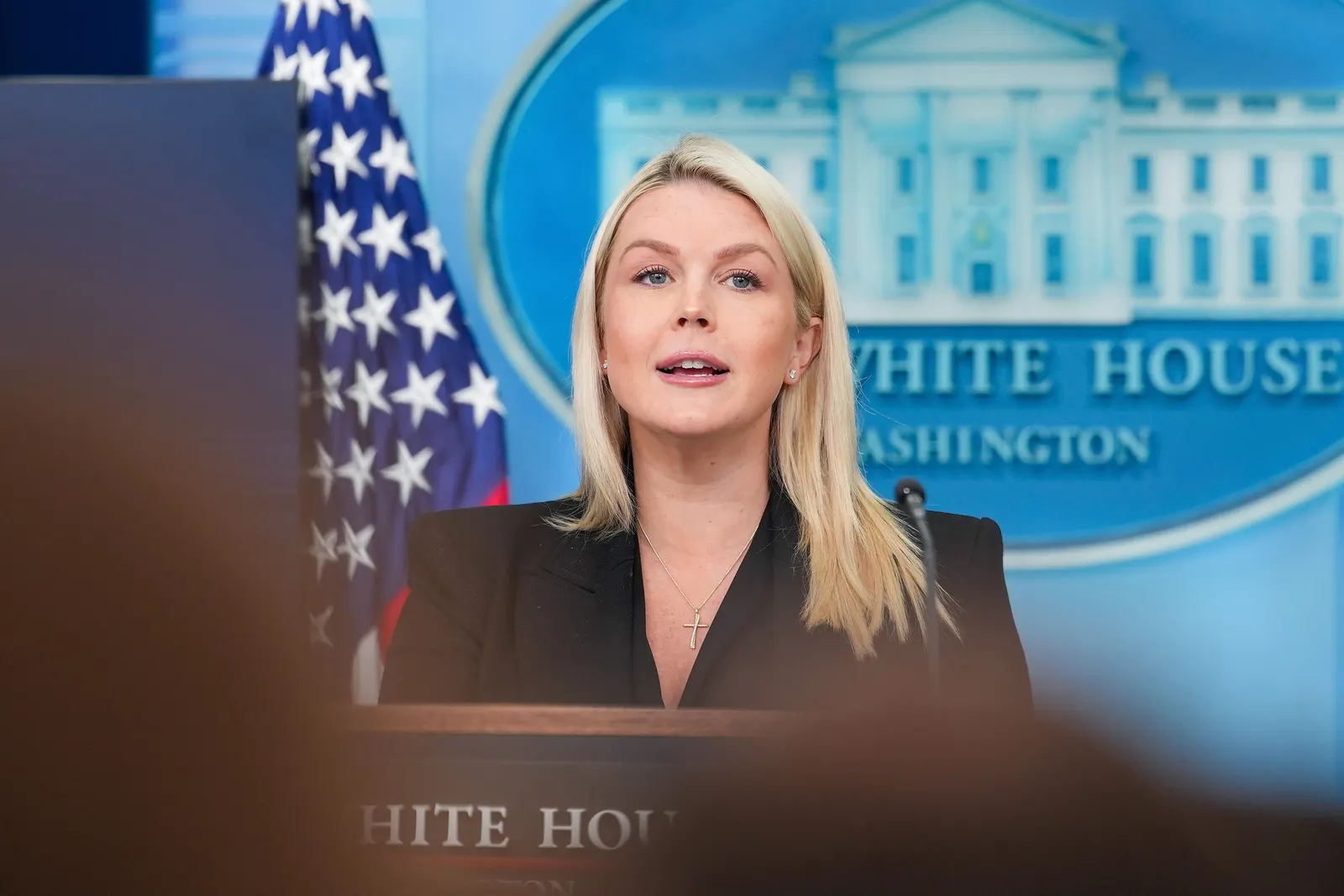
Karoline Leavitt, former White House press secretary for Donald Trump, recently shared her perspective on the abrupt departure of her successor, Katie Zacharia, during an appearance on HBO’s Real Time with Bill Maher. Zacharia, who lasted less than a week in her role, conducted only one press briefing that lasted a mere 14 minutes before being dismissed last Friday.
Challenges of the Press Secretary Role
In her discussion with Maher, Leavitt acknowledged that being a press secretary is notoriously one of the most difficult jobs in Washington. The role often demands quick turnarounds and the ability to manage an ever-evolving narrative, especially in the context of an administration like Trump’s, which is characterized by significant scrutiny and high expectations from both the press and the public.
Leavitt remarked on the challenges inherent in the position, stating, "It’s a tough job," highlighting the pressures that come with the territory. Although she did not delve into specific details regarding Zacharia's dismissal, it is clear that the intense environment surrounding the role can lead to rapid changes in personnel, which Leavitt likened to a format familiar to viewers of The Apprentice.
A Pattern of High Turnover
Trump's administration has often been marked by high turnover rates, particularly among communication staff. This trend continues to raise questions about stability and messaging in a politically charged atmosphere. The comparison to The Apprentice reflects Trump’s well-known approach of evaluating performance swiftly and moving on from personnel who do not meet expectations. This methodology can create an unpredictable work environment, where staff members may sense an imminent threat to their positions.
Looking Ahead
As the political landscape continues to evolve, the implications of such rapid staff changes will undoubtedly be a point of discussion. It raises questions not only about the future of Trump's communications strategy but also about the types of individuals who will be willing to take on roles in such a tumultuous environment.
The conversation around leadership within Trump’s team aligns with broader narratives seen in various aspects of his administration, such as recent reports on how he has influenced legislative actions, like when Trump Stalls Bipartisan Housing Bill Over SAVE Act here and his interactions with European leaders like in the instance of Trump Meets NATO Chief Rutte Amid Europe Tensions here.
As Washington anticipates who might step into press roles in the future, Karoline Leavitt's reflections serve as a reminder of the stakes involved in these positions. The challenges of managing public communication for a figure as polarizing as Trump are substantial and will continue to influence the discourse surrounding his administration.
For now, this episode sheds light on the ongoing complexities of political communication and the expectations placed upon those who serve in such pivotal roles.
Related on Ni4o: Trump Stalls Bipartisan Housing Bill Over SAVE Act
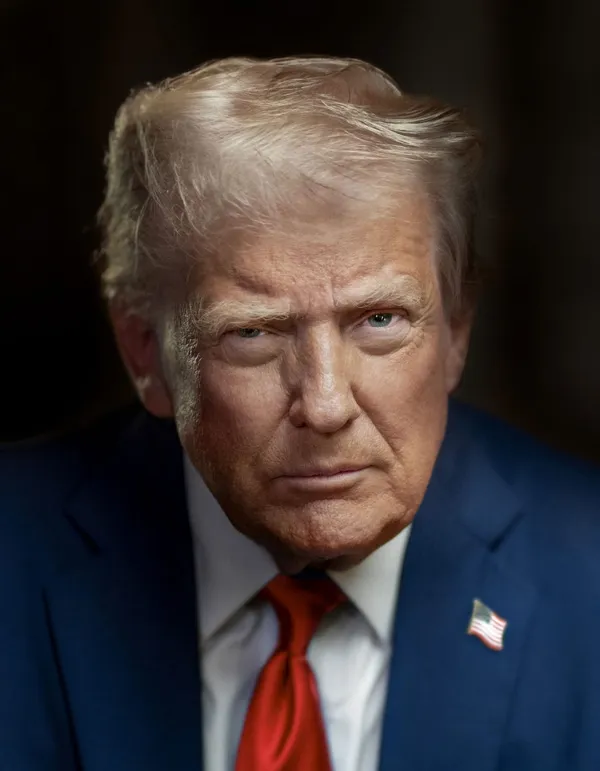 ProfileDonald Trump45th and 47th President of the United States
Related
California Senate Passes Post-Production Tax Bill; Newsom Must Act
SB 2319 cleared the California State Senate 33-5, creating a dedicated post-production tax incentive as the L.A. film industry continues to shrink.

Netanyahu Condemns West Bank Attack on NBC News Team as Settler Violence Escalates
Masked settlers assaulted an NBC News crew and a Palestinian woman in Jalud, injuring four journalists and drawing condemnation from Israel's prime minister.

Park Service Backs Trump Arch Despite Threat to DC Landmark Sightlines
A federal report endorses the proposed 250-foot gilded arch while acknowledging it will disrupt the visual integrity of dozens of historic Washington sites.