Juliette Lewis on 'Cape Fear' Finale and Scorsese's Lasting Shadow

Juliette Lewis revisits the houseboat horror of Scorsese's 1991 classic as Apple TV+'s Cape Fear series reaches its fiery conclusion.
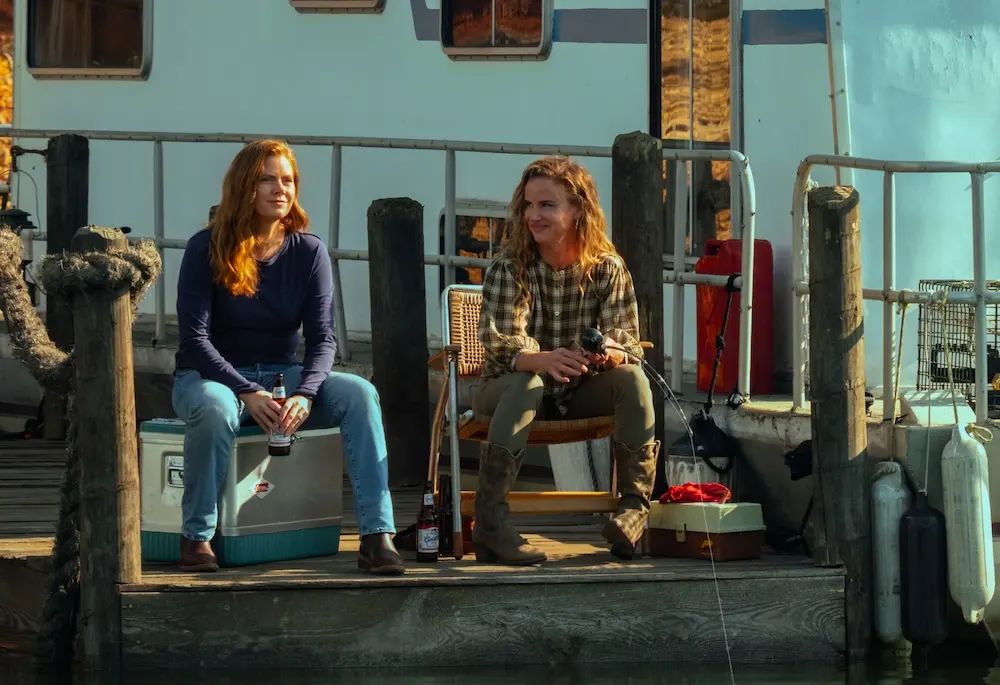
Few filmmakers cast a longer shadow over their source material than Martin Scorsese, and Apple TV+'s new Cape Fear series has spent its entire run living inside that shadow. With the finale, titled "The Executioners," now streaming, the conversation has inevitably circled back to the 1991 film that redefined what a psychological thriller could be — and to the young actress who helped make it unforgettable.
A Houseboat, Then and Now
If there is one image that links both iterations of Cape Fear, it is the houseboat: a vessel that functions less as a setting than as a pressure cooker, a place where escape becomes impossible and character is stripped to its barest nerve endings. Juliette Lewis knows this dynamic intimately. In Scorsese's version, she delivered a performance of raw, trembling authenticity that earned her an Academy Award nomination at just 18 years old — a remarkable achievement that announced her as one of the most instinctive screen performers of her generation. According to Variety, Lewis has weighed in on the Apple TV+ finale and reflected on what she describes as "nostalgic" echoes of the original film woven into the new series.
The Weight of a Career-Defining Role
To understand what Lewis brought to Scorsese's Cape Fear, it helps to consider the film's deliberate architecture. Scorsese and cinematographer Robert De Niro's antagonist Max Cady — shot with predatory precision — needed a counterweight in Danielle Bowden, and Lewis provided it. Her performance was not simply reactive; it was exploratory, capturing an adolescent's terrifying proximity to both danger and a kind of dark fascination she cannot fully articulate. That psychological complexity is precisely what Lewis suggests will resonate in the new series, arguing that the character of Crystal will "haunt" Max in ways that echo Danielle's own ambiguous hold on Cady decades earlier. For a deeper look at the visual language Scorsese brought to that era, Robert Richardson: Celebrating a Cinematic Visionary offers essential context on the director of photography whose lens helped define Cape Fear's menacing atmosphere.
Scorsese's Blueprint Endures
What makes Scorsese's 1991 film so durable as a template — and so difficult to escape — is its insistence on moral ambiguity. The Bowden family are not innocent victims; they are compromised people whose own failures of character give Max Cady the foothold he needs. The new series appears to have absorbed that lesson, structuring its narrative around characters whose culpability is layered rather than clean. Lewis's observations about the finale suggest the Apple TV+ creative team made a conscious effort to honor, rather than simply replicate, that thematic DNA. It is worth noting that Scorsese himself remains one of cinema's most restlessly engaged figures — as seen in projects ranging from documentary subjects to unexpected cameo appearances, including a recent Martin Scorsese Steps in Front of the Camera for Lavazza's 'Family Blend'.
Lewis as Living Bridge
Perhaps the most compelling element of Lewis's commentary is what it reveals about her relationship to the original film — not nostalgia in a sentimental sense, but a genuine reckoning with how a single role can define and complicate a career in equal measure. Her willingness to engage with the new Cape Fear rather than dismiss it speaks to an artistic generosity that mirrors her performance style: open, unguarded, and willing to sit with discomfort. Fans interested in the full arc of her reflections can read more at Juliette Lewis Reflects on Scorsese's 'Cape Fear' Legacy and New Series Role.
For a filmmaker whose influence stretches across generations and genres — something explored in depth in Scorsese, Tarantino Open Up in Robert Richardson Documentary — having a new series productively wrestle with his earlier work is perhaps the sincerest form of cinematic tribute. The houseboat may be a different one, but the dread it carries is unmistakably his.
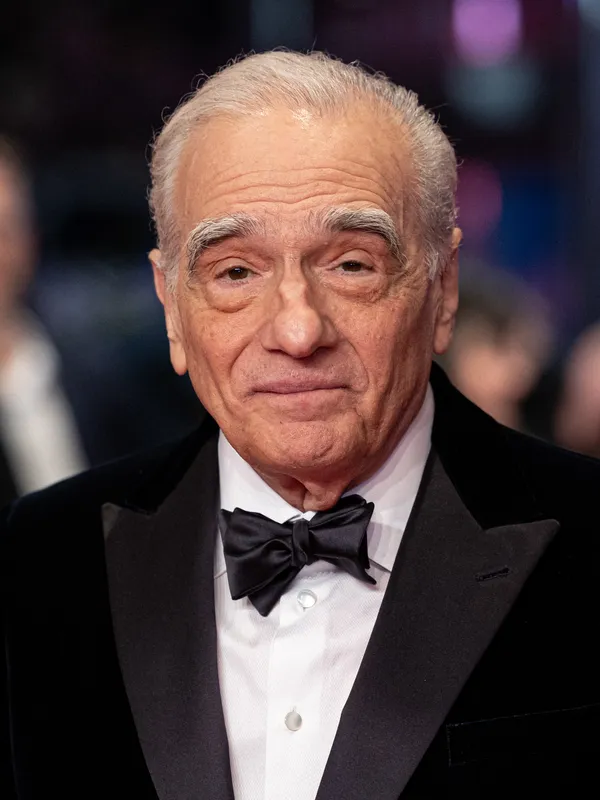 ProfileMartin ScorseseDirector & producer
Related
Randy Quaid Slams Anne Hathaway Casting in Days of Thunder Sequel
Randy Quaid, who appeared in the original 1990 film, took to X to demand Nicole Kidman's return and dismiss the Hathaway announcement.

Eva Mendes' 'de Gosling' Tattoo Is the Only One She's Ever Wanted
Eva Mendes is showing off her wrist tattoo again — a small but meaningful piece of ink that carries a deep cultural significance.
Steven Spielberg's 'War of the Worlds' Returns to Streaming Amid Debate
Steven Spielberg's 'War of the Worlds' is hitting HBO Max next month, reigniting discussions on its mixed reception.