Joseph Gordon-Levitt: Fear AI's Builders, Not the Technology Itself

The actor and UN digital governance advocate argues the real danger lies not in AI itself but in the corporate ambitions shaping its development.
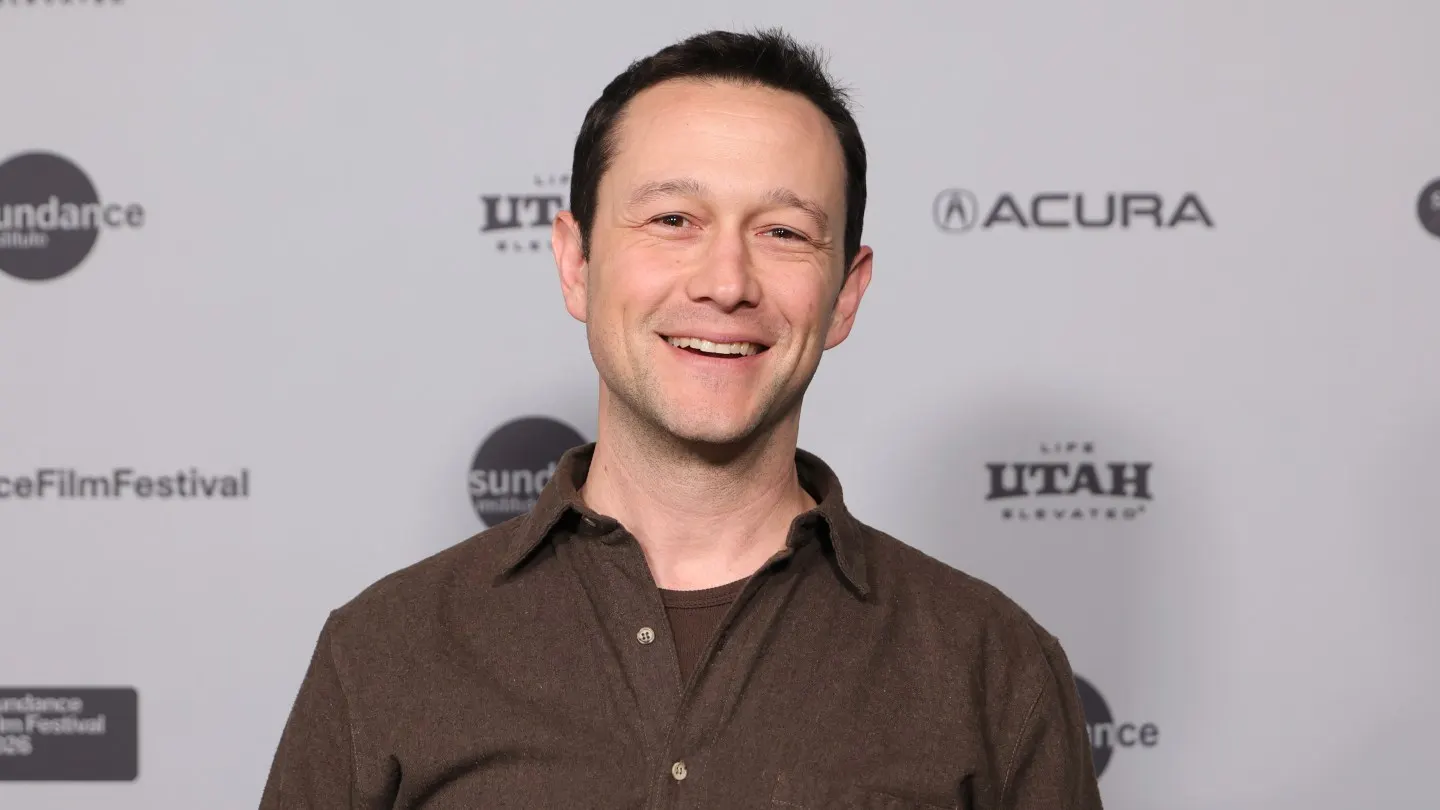
Joseph Gordon-Levitt has spent much of his post-acting energy building a thoughtful public argument about artificial intelligence — one that resists the dramatic, extinction-level framing that tends to dominate the conversation. In a video interview with The New York Times, the actor and filmmaker laid out a critique that is, by his own admission, denser and less cinematic than the headlines typically allow.
Reframing the Question
When asked to name his single greatest fear about AI, Gordon-Levitt pushed back on the premise itself. Reducing a complex, systemic issue to a single sound bite of fear, he suggested, is itself symptomatic of the problem. The apocalyptic scenario — AI wiping out humanity — carries genuine philosophical weight, but he argued it functions more as a cultural shorthand than a rigorous diagnosis. His actual concerns, he explained, are more granular and more structural: the erosion of democratic institutions and the steady diminishment of human empathy in an increasingly mediated world.
It is a perspective that has more in common with the arguments of media theorists than with the techno-thriller genre, and it positions Gordon-Levitt as one of the more analytically rigorous voices Hollywood has contributed to this debate.
Corporate Ambition as the Core Problem
The sharpest point in Gordon-Levitt's argument targets the business logic underpinning the AI industry. The companies developing these systems, he said according to The Hollywood Reporter, are operating on the assumption that they will eventually absorb entire economic sectors — a consolidation of power he characterized plainly as a form of totalitarianism. That framing shifts the conversation away from the machines themselves and toward the institutional structures and incentive systems of the people designing them.
Equally troubling to him is the behavioural engineering embedded in many consumer-facing AI products. These models, he noted, are deliberately trained to cultivate intimacy — to befriend users, to encourage emotional attachment, even romantic feeling. The danger is not that AI will develop its own agenda, but that it will be wielded as an extraordinarily sophisticated tool for shaping human behaviour in service of commercial ends.
A Pattern of Sustained Engagement
This interview is not an isolated comment. Gordon-Levitt has been building his position on AI governance carefully over the past year. At a panel hosted at Sundance, he made the case that any viable AI ecosystem must include ongoing financial compensation for the human creators whose work trains these models — a structural argument that complements the more philosophical points he has raised elsewhere. In March, he was appointed the United Nations' first global advocate for human-centric digital governance, a role that formalises the authority behind his public statements.
Late last year, he also co-founded the Creators Coalition on AI alongside a group of industry figures. The organisation aims to function as a coordinating body for the entertainment sector, working to establish shared definitions, ethical standards, and practical protections for creators navigating a landscape where AI-generated content is becoming increasingly prevalent. It is the kind of institution-building that reflects a long-term commitment rather than a reactive moment of concern — something not unlike the deliberate, craft-focused work that has always distinguished his career, from his early dramatic turns to his directorial debut with Don Jon.
For anyone following how Hollywood is attempting to engage seriously with AI policy — as opposed to simply weathering it — Gordon-Levitt has emerged as one of the field's more substantive contributors. Fans tracking broader shifts in the entertainment industry might also find it worth watching how other emerging voices are navigating cultural institutions, as Jenna Ortega is among the 529 invited to join the Film Academy in 2026, a sign of how the industry is thinking about its next generation of participants.
The Bigger Picture
What makes Gordon-Levitt's position particularly interesting is its refusal of easy narratives. In an era when filmmakers and directors — like J.J. Abrams teasing Tom Cruise's next chapter with 'Digger' — are grappling with AI's creative implications in real time, his insistence on structural and democratic critique offers a different entry point into the conversation. The question, he implies, is never simply about what the technology can do — it is always about who controls it, and toward what ends.
Related on Ni4o: Hugh Jackman's 'The Sheep Detectives' Becomes a Prime Video Hit
 ProfileJoseph Gordon-LevittActor & filmmaker
Related
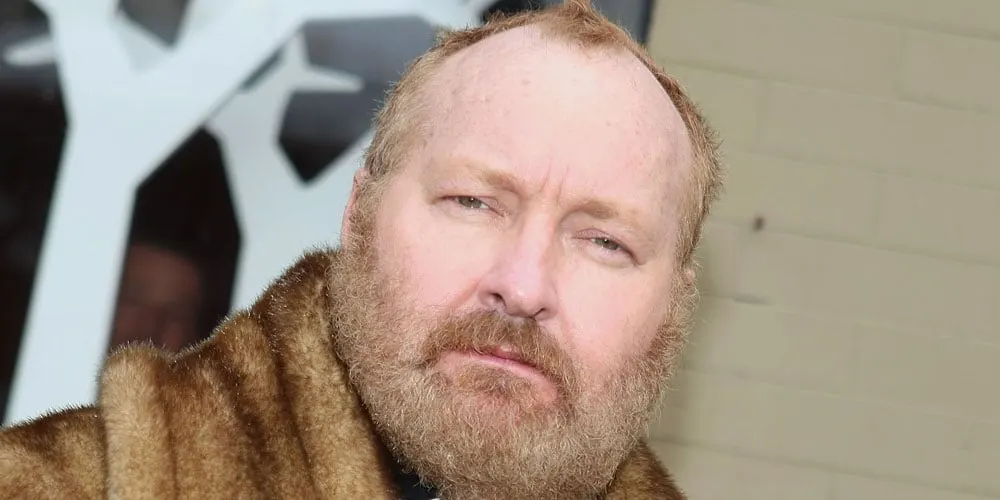
Randy Quaid Slams Anne Hathaway Casting in Days of Thunder Sequel
Randy Quaid, who appeared in the original 1990 film, took to X to demand Nicole Kidman's return and dismiss the Hathaway announcement.

Eva Mendes' 'de Gosling' Tattoo Is the Only One She's Ever Wanted
Eva Mendes is showing off her wrist tattoo again — a small but meaningful piece of ink that carries a deep cultural significance.
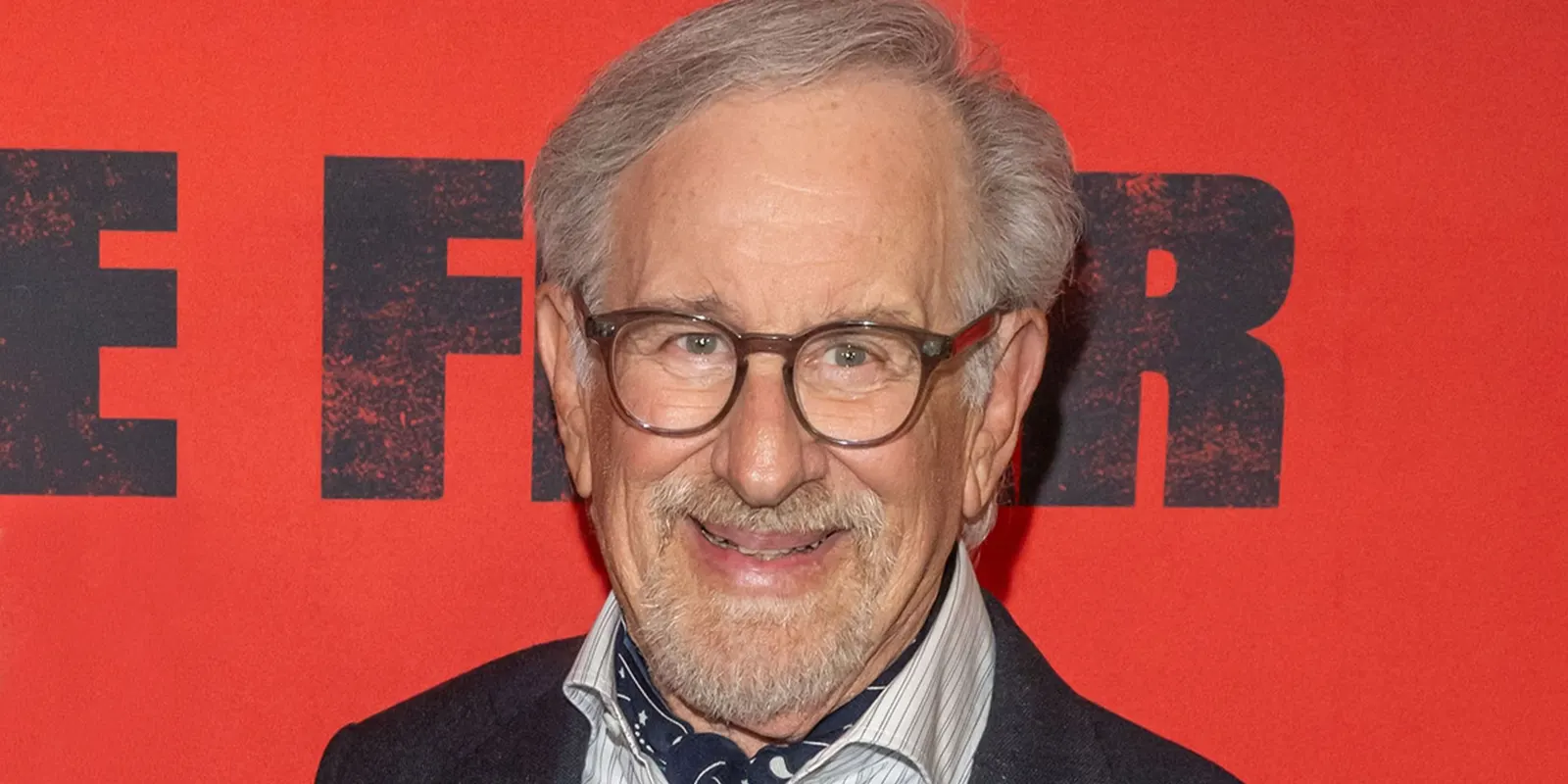
Steven Spielberg's 'War of the Worlds' Returns to Streaming Amid Debate
Steven Spielberg's 'War of the Worlds' is hitting HBO Max next month, reigniting discussions on its mixed reception.