Jason Bateman on Acting vs. Directing: Where His Mind Lives Now

With four Emmy nominations across two limited series, Jason Bateman is navigating a career evolution that few multi-hyphenates manage so gracefully.
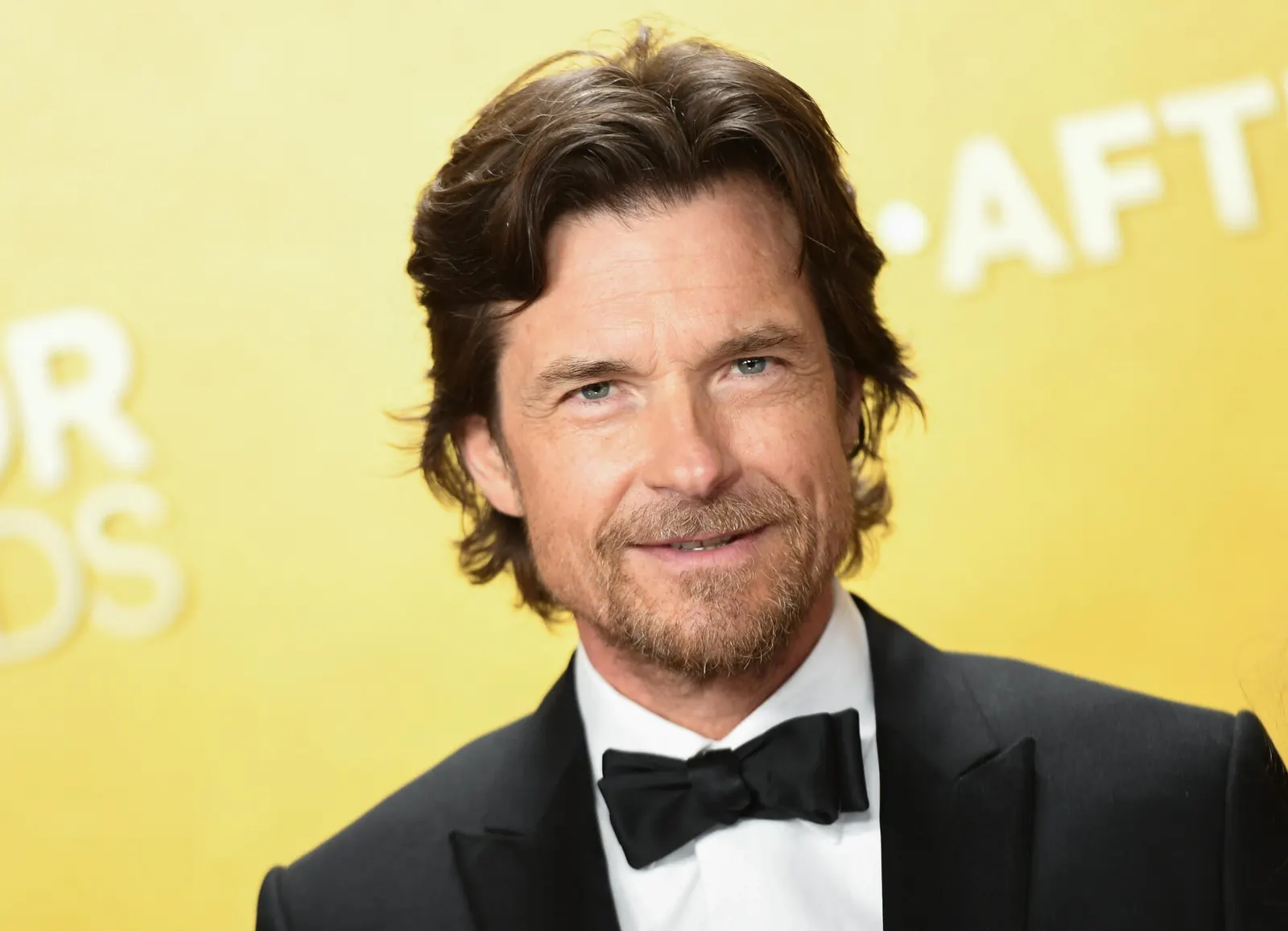
Few performers in contemporary television have made the transition from reliable comedic lead to genuinely authoritative filmmaker as quietly and effectively as Jason Bateman. This Emmy season, that evolution is impossible to ignore — the actor-director is contending in four separate categories across two distinct limited series, a feat that places him in rare company among the industry's working multi-hyphenates.
A Remarkable Emmy Footprint
According to Variety, Bateman earned nominations for lead actor in a limited series and outstanding directing for a limited series for his work on Netflix's Black Rabbit, while simultaneously landing a supporting actor nod and an executive producer credit on HBO Max's DTF St. Louis. The breadth of that recognition — spanning two different streaming platforms, two different creative roles, and two different levels of on-screen responsibility — speaks to a creative range that has been quietly building for years. You can read more about the specifics of his nominations in our earlier piece on Jason Bateman Earns Dual Nominations for the 2026 Emmy Awards.
It's worth noting the historical context here: the actor-director hyphenate is not a new phenomenon in Hollywood. From John Cassavetes to Clint Eastwood to Kenneth Branagh, the tension between inhabiting a character and commanding an entire production has long been one of filmmaking's most intellectually demanding balancing acts. What makes Bateman's current moment particularly interesting is that he isn't simply dipping a toe into one discipline while the other carries his reputation — he appears to be operating at a high level in both simultaneously.
The Central Question: Actor or Director?
The question that naturally emerges from such a crowded nomination slate is one of identity: where does Bateman's creative mind actually reside at this stage of his career? It's not a trivial question. Directing and acting demand fundamentally different cognitive frameworks. An actor is, by necessity, an interior creature — building inward toward emotional truth, serving a character's logic. A director must remain perpetually exterior, holding the whole of a project's architecture in mind, making macro decisions while others do the intimate work of performance.
For someone who spent decades building a persona rooted in dry, understated comic precision — first in Silver Spoons and The Hogan Family, later cemented brilliantly in Arrested Development — the directorial instinct may have always been present in the way Bateman calibrated his own performances. There is something inherently editorial about his acting style: the withheld reaction, the timed pause, the studied nonchalance. These are choices that suggest an awareness of the frame, not just the feeling.
Two Projects, Two Different Creative Modes
What makes his current Emmy campaign genuinely compelling from a craft perspective is how differently the two nominated projects position him. On Black Rabbit, Bateman sits at the center of both the narrative and the production apparatus — a demanding dual responsibility that requires constant context-switching between vulnerability and control. On DTF St. Louis, his role as executive producer suggests a different kind of creative investment: the shepherd rather than the performer, guiding a project from a position of institutional authority rather than front-line execution.
This season has been rich with actors stepping into expanded creative roles. Projects from performers like Hugh Jackman in The Sheep Detectives demonstrate a broader industry appetite for star-driven limited series where the lead has significant creative ownership. Bateman's trajectory fits neatly — and ambitiously — within that pattern.
What the Nominations Reveal
Ultimately, the volume and variety of Bateman's Emmy recognition this cycle says something important about where he is as an artist. Peer recognition across acting and directing categories simultaneously is not the result of momentum or marketing — it reflects a body of work in which both disciplines are being taken seriously on their own terms. Whether his brain lives more fully in one camp than the other may be a question only he can answer. But the nominations alone suggest that wherever his instincts are leading him, they are leading him somewhere worth watching.
Related on Ni4o: Jason Bateman Earns Dual Nominations for 2026 Emmy Awards
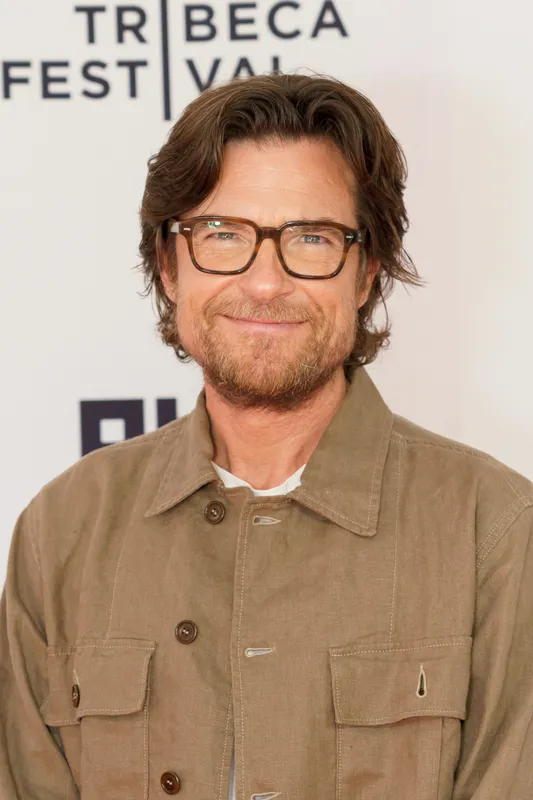 ProfileJason BatemanActor & director
Related
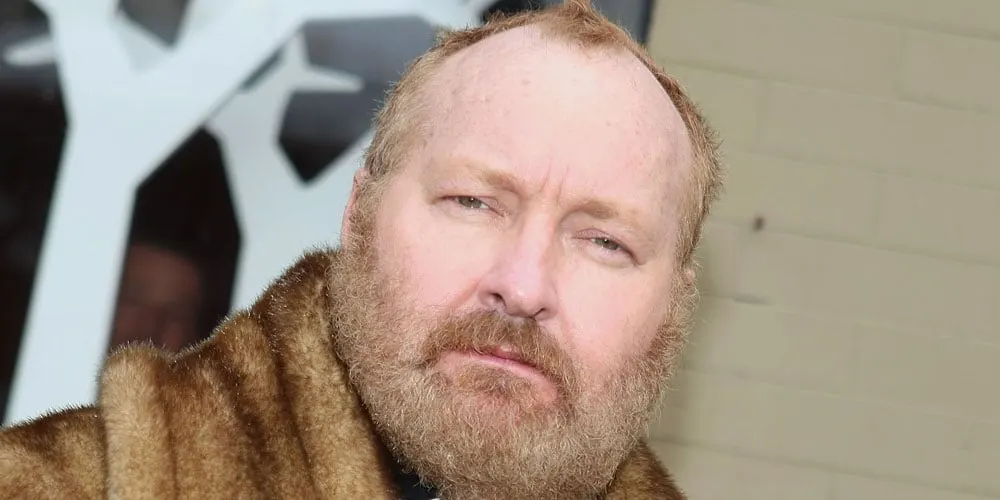
Randy Quaid Slams Anne Hathaway Casting in Days of Thunder Sequel
Randy Quaid, who appeared in the original 1990 film, took to X to demand Nicole Kidman's return and dismiss the Hathaway announcement.

Eva Mendes' 'de Gosling' Tattoo Is the Only One She's Ever Wanted
Eva Mendes is showing off her wrist tattoo again — a small but meaningful piece of ink that carries a deep cultural significance.
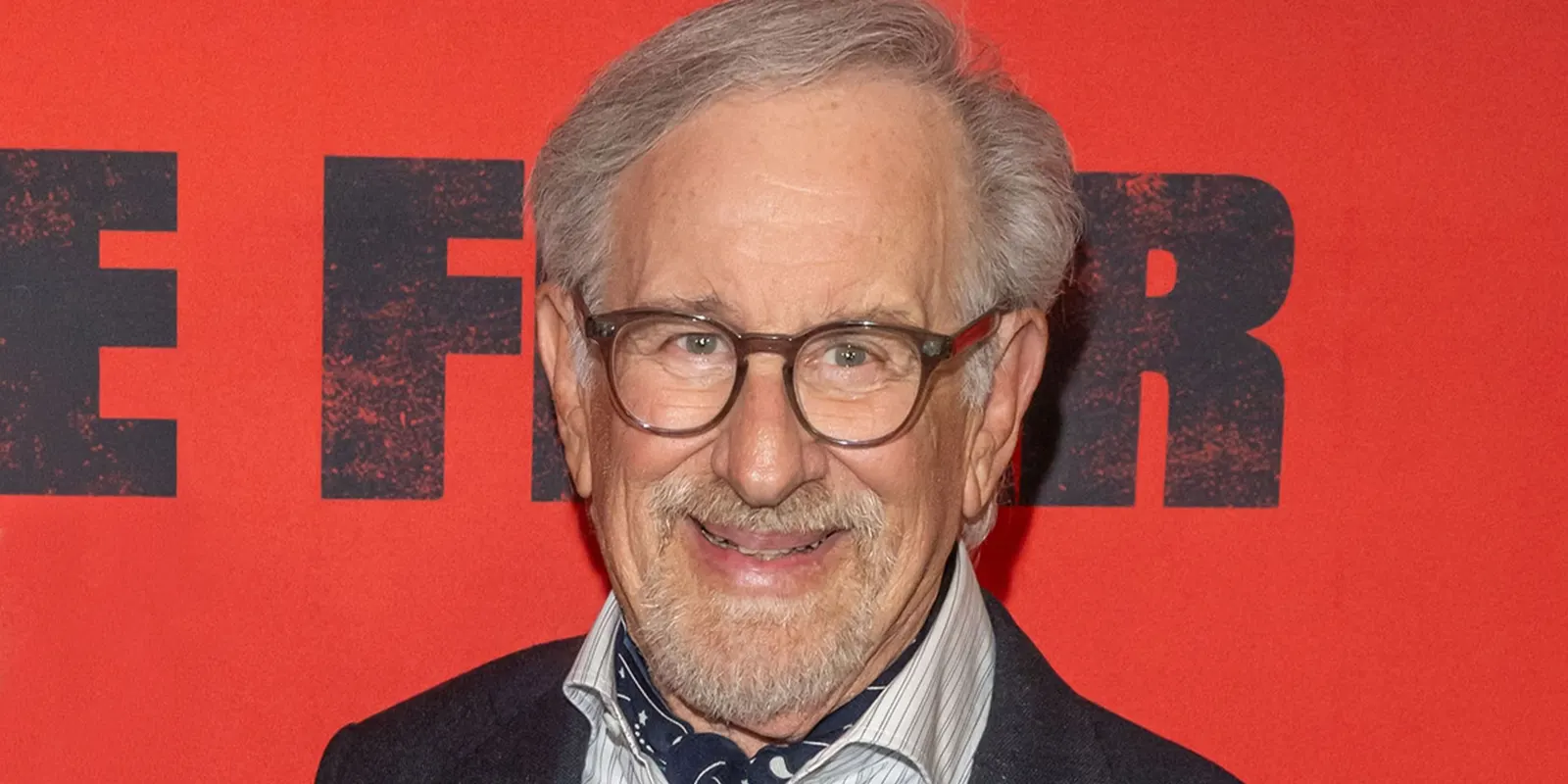
Steven Spielberg's 'War of the Worlds' Returns to Streaming Amid Debate
Steven Spielberg's 'War of the Worlds' is hitting HBO Max next month, reigniting discussions on its mixed reception.