Iran Proposes Strait of Hormuz Opening as Negotiation Leverage with Trump

Iran sends a proposal to Donald Trump to open the Strait of Hormuz in exchange for sanctions relief, emphasizing urgency in nuclear talks.

Iran has recently indicated its willingness to open the Strait of Hormuz within six days, contingent upon several factors related to U.S. sanctions and ongoing conflicts. This proposal marks a significant potential for diplomatic engagement between Iran and the United States, particularly regarding nuclear negotiations.
Proposal Details
According to Iranian officials, the lifting of sanctions on its oil exports, an end to military actions across the region—specifically in Lebanon—and the release of certain frozen assets are prerequisites for the agreement. The proposal aims to fast-track discussions surrounding Iran’s nuclear program which, under the existing memorandum of understanding signed in June, would have taken a considerably longer timeframe to initiate.
Iranian Foreign Minister Abbas Araghchi noted that should these conditions be met, discussions could commence a day following the opening of the Strait. This opening is perceived as a critical step that would not only facilitate oil exports but potentially alleviate global economic pressures caused by current tensions.
Negotiation Pressure on the U.S.
The urgency of the Iranian proposal appears to align with the need for the U.S. to maintain stable oil prices, which are crucial ahead of the midterm elections for Trump. Privately, Iranian officials express belief that an agreement could be reached, despite lingering concerns about Israeli influence potentially obstructing U.S. participation in the negotiations.
Moreover, there is an intricate dynamic at play involving Saudi Arabia and their recent reluctance to support the Oman-Iran route through the Strait. The ongoing conflict between Iranian-backed Houthis and Saudi forces adds complexity to the negotiations, with Iran claiming it has attempted to mediate violence.
Historical Context and Implications
The current proposal harks back to past agreements, notably the Islamabad memorandum signed during Trump’s presidency, which outlined conditions that could lead to better relations. The success of this negotiation might not only reinstate Iran’s economic viability but also impact Middle Eastern geopolitical stability. The Israeli government’s stance, particularly regarding its military presence in Lebanon, presents distinct challenges to this initiative.
As stated by Araghchi, this strategy not only serves to open vital maritime routes but accelerates the pace of discussions regarding Iran’s nuclear program significantly faster than previously anticipated. The original agreement proposed a waiting period of 60 days before talks could begin.
International Reactions
The context is further complicated by international reactions, as seen in discussions between Iranian officials and representatives from the UK regarding maritime navigation freedom and diplomatic solutions. UK Foreign Secretary Ed Miliband highlighted the significance of maintaining open channels in the Strait while affirming support for allies in the region, such as Saudi Arabia.
While the Iranian administration appears optimistic, internal factions argue for a more aggressive approach amidst fears that delays could lead to diminished leverage against the U.S. Additionally, military leaders in Iran are noting possible repercussions if the U.S. escalates conflict.
In culmination, the proposed opening of the Strait of Hormuz serves not only as a potential lifeline for Iran’s economy but also as a litmus test for the Biden administration’s approach to Middle Eastern diplomacy. As the global economy fluctuates, the stakes for stabilizing this crucial trade route have never been higher.
This unfolding situation will be closely monitored as the U.S. formulates its response, potentially reshaping the dynamics of international relations in the region.
For further insights on Trump's political maneuvers, see our article on Trump Stalls Bipartisan Housing Bill Over SAVE Act or check out updates on Trump Meets NATO Chief Rutte Amid Europe Tensions.
Related on Ni4o: Trump Stalls Bipartisan Housing Bill Over SAVE Act · Trump Meets NATO Chief Rutte Amid Europe Tensions · Trump's Freedom 250 Concert Series Unravels as Vanilla Ice Show Rained Out
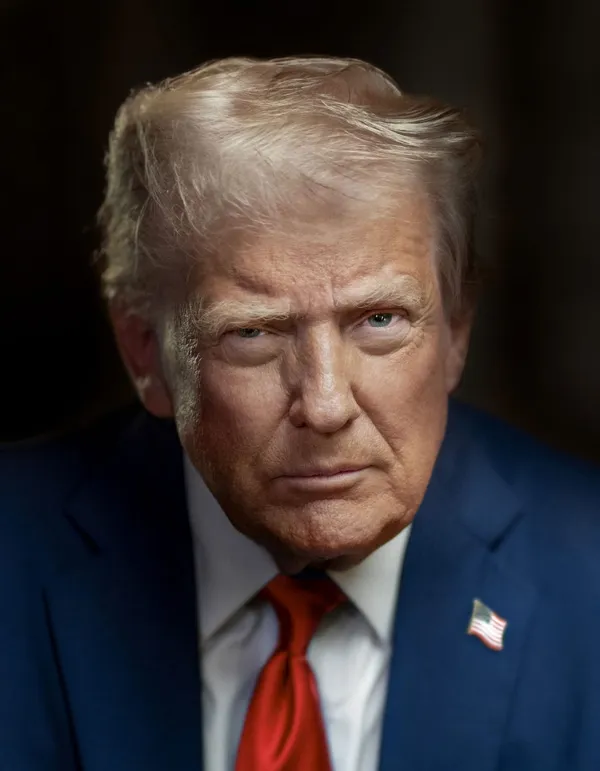 ProfileDonald Trump45th and 47th President of the United States
Related
California Senate Passes Post-Production Tax Bill; Newsom Must Act
SB 2319 cleared the California State Senate 33-5, creating a dedicated post-production tax incentive as the L.A. film industry continues to shrink.

Netanyahu Condemns West Bank Attack on NBC News Team as Settler Violence Escalates
Masked settlers assaulted an NBC News crew and a Palestinian woman in Jalud, injuring four journalists and drawing condemnation from Israel's prime minister.

Park Service Backs Trump Arch Despite Threat to DC Landmark Sightlines
A federal report endorses the proposed 250-foot gilded arch while acknowledging it will disrupt the visual integrity of dozens of historic Washington sites.