How Hello Sunshine Fell From a $900M Valuation to a $50M Exit

Reese Witherspoon is buying back her own company at a fraction of what investors paid — a cautionary tale about celebrity-brand ambition meeting market reality.
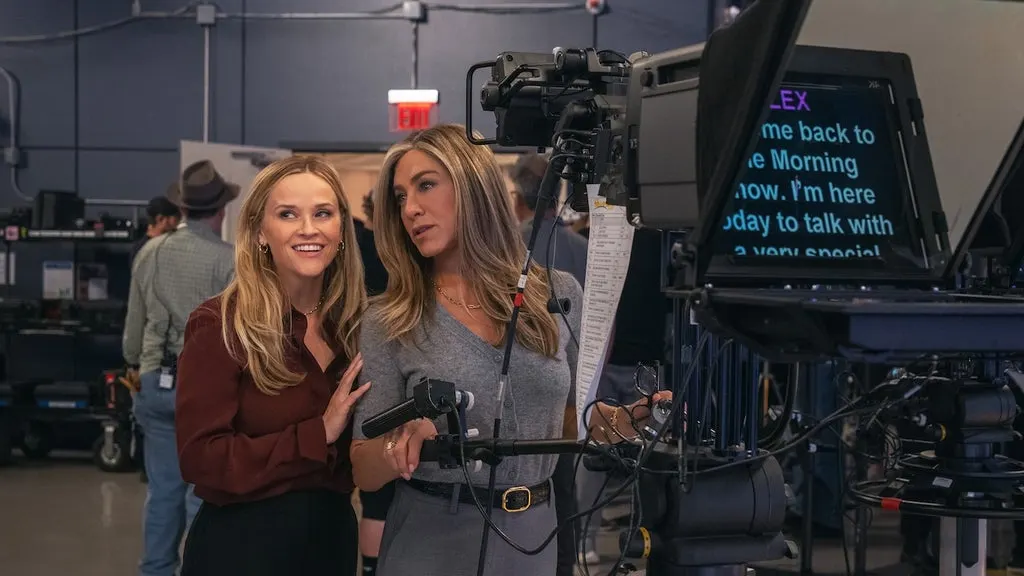
What looked in 2021 like one of the boldest bets in modern media — a $900 million wager on Reese Witherspoon's production and lifestyle company Hello Sunshine — has resolved itself into one of the more striking capital destruction stories Hollywood has produced in recent memory. Witherspoon is now reportedly repurchasing the company she built, this time alongside French media group Mediawan, for somewhere in the low-to-mid eight figures: a valuation collapse of as much as 94 percent in under five years.
The Logic Behind a Nine-Figure Gamble
When Candle Media co-CEOs Tom Staggs and Kevin Mayer — both veterans of Disney's executive ranks — acquired a majority stake in Hello Sunshine, their thesis was coherent, if ambitious. Witherspoon had already demonstrated a rare capacity to translate cultural credibility into commercial infrastructure. Her book club, launched in 2017 and boasting more than 6.2 million members, had become something closer to a taste-making platform than a simple reading list. Hello Sunshine's catalog of high-profile releases showed a company capable of generating prestige content consistently. Mayer, speaking publicly at the time of the acquisition, framed the move as pioneering a new model — celebrity-led, fan-community-driven, and oriented toward direct-to-consumer commerce beyond traditional media revenue.
The underlying idea was that Witherspoon would serve as both a creative engine and a commercial magnet, drawing other women creators into an expanding ecosystem of brands that could monetize an audience already predisposed to trust her recommendations. In theory, it was the kind of vertically integrated fandom economy that a handful of influencer-adjacent businesses had managed to execute at scale.
Where the Thesis Unraveled
The problem, according to insiders who spoke with TheWrap, was less about the quality of Hello Sunshine's output and more about a fundamental misalignment of interests. Witherspoon, it turned out, was far more invested in the craft of storytelling — producing acclaimed scripted work like Apple TV+'s The Morning Show, Prime Video's Daisy Jones & the Six, and the film adaptation of Where the Crawdads Sing — than in building the direct-to-consumer subscription infrastructure that would have justified the premium valuation. Her creative instincts, the very thing that made her a compelling figure to bet on, pulled the company in a direction that didn't generate the commerce-layer revenues Candle Media needed.
This tension is worth understanding cinematically: Witherspoon is, at her core, a producer in the classical studio tradition — someone drawn to narrative, performance, and the long arc of a project from page to screen. Redirecting that energy toward subscription funnels and branded product pipelines was always going to require either extraordinary financial incentives or a genuine enthusiasm she evidently didn't share. As one Candle insider put it plainly, "This was not the piece Reese wanted to lean into."
External pressures compounded the internal ones. Hollywood's dual labor strikes in 2023 froze production pipelines across the industry. Major studio partners pulled back their spending. The advertising market softened. By 2023, Hello Sunshine was contributing only around 10 percent of Candle's projected earnings — well below expectations and dramatically overshadowed by Moonbug Entertainment, the children's content brand that accounted for roughly 30 percent.
The Cost of Misaligned Synergies
Perhaps the most clarifying assessment came from Aaron Meyerson of Qualia Legacy Advisors, who noted that Candle Media ultimately failed to bring anything to Hello Sunshine that the company couldn't have accessed independently — distribution scale, audience data, commerce infrastructure. Without those additive layers, the premium paid in 2021 had no durable justification. The parts, in the end, are worth more separated than they were together.
For Witherspoon, the buyback — facilitated through Mediawan — represents something of a creative homecoming. She continues to be a force in prestige television, with projects like her developing work on Elle and a reported return to her most iconic character keeping her firmly in the cultural conversation. Her book club continues to command genuine influence. What the Candle Media era ultimately proved is that star power, however real, cannot substitute for a business model — and that the impulse to financialize cultural credibility carries significant structural risk when the celebrity at the center would simply rather make great television.
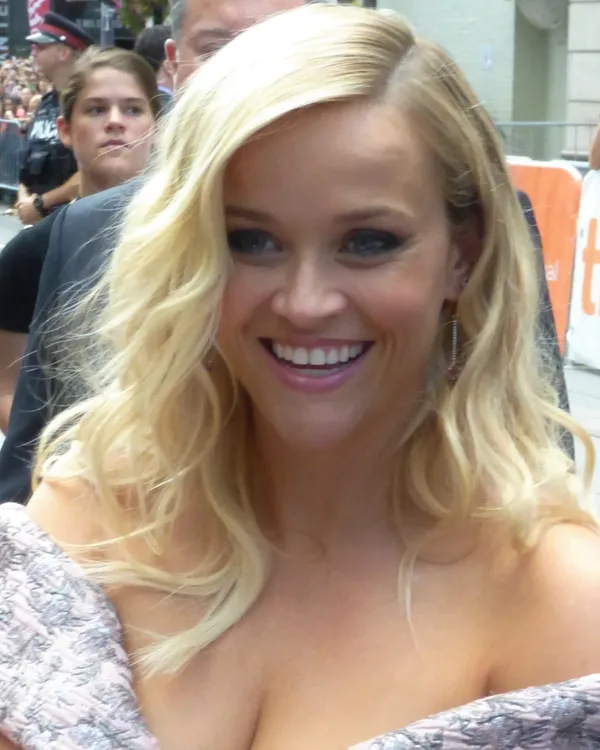 ProfileReese WitherspoonAcademy Award-Winning Actress and Producer
Related
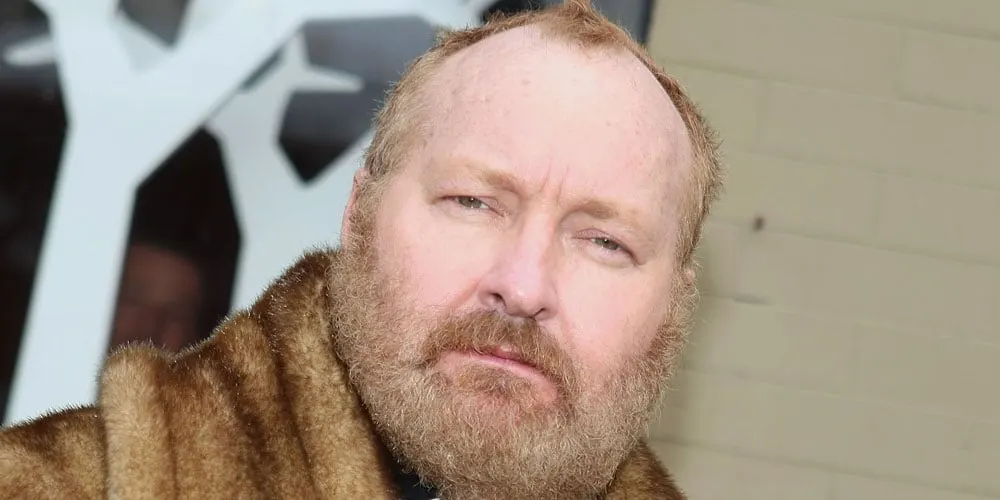
Randy Quaid Slams Anne Hathaway Casting in Days of Thunder Sequel
Randy Quaid, who appeared in the original 1990 film, took to X to demand Nicole Kidman's return and dismiss the Hathaway announcement.

Eva Mendes' 'de Gosling' Tattoo Is the Only One She's Ever Wanted
Eva Mendes is showing off her wrist tattoo again — a small but meaningful piece of ink that carries a deep cultural significance.
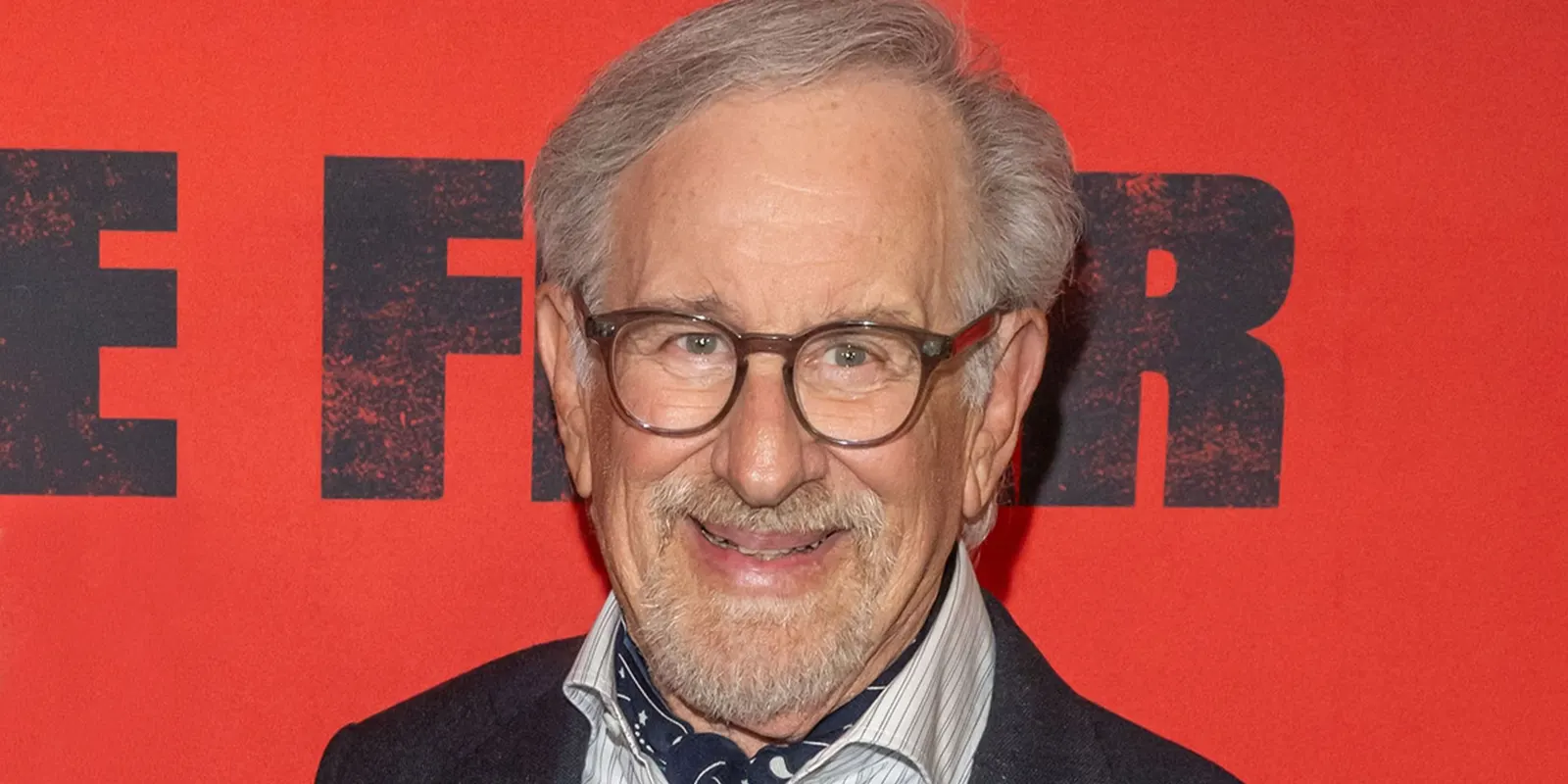
Steven Spielberg's 'War of the Worlds' Returns to Streaming Amid Debate
Steven Spielberg's 'War of the Worlds' is hitting HBO Max next month, reigniting discussions on its mixed reception.